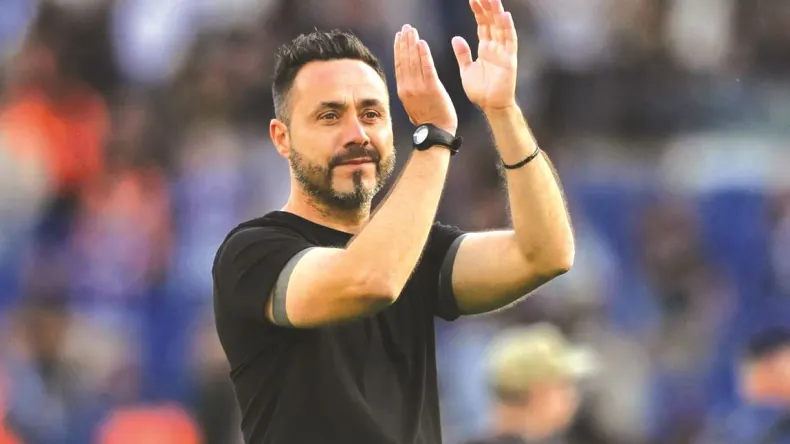
Roberto De Zerbi has implemented a strict ban on the use of mobile phones by Tottenham Hotspur players during team meals at a training camp in Marbella, Spain. The 47-year-old manager introduced the measure to ensure squad focus while the team conducts its sessions abroad. Players are now required to refrain from using their devices during designated dining periods throughout the duration of the camp.
Recent Performance and Context
Tottenham Hotspur secured a 3-1 victory against Coventry on 19 October 2026. This result occurred shortly before the squad traveled to Spain for the current training camp. The win serves as the most recent competitive match for the club before the implementation of the new team meal regulations under Roberto De Zerbi. Players maintained their focus during the match to secure the points, which now positions the team ahead of the upcoming fixtures scheduled after their return from the Marbella training sessions.
Historical Precedents in Football Management
Paolo Di Canio enforced a restrictive environment during his tenure at Sunderland, where he implemented bans on mobile phones, ketchup, and ice cubes in drinks. These measures were intended to dictate the daily habits and dietary intake of the squad.
Jose Mourinho introduced specific technology limitations for Manchester United players in 2016. He prohibited the squad from playing Pokemon Go during the 48 hours leading up to matches to maintain player concentration.
John Toshack applied dietary controls to the Wales national team in 2004. As part of his efforts to regulate the physical condition of the players, he restricted the team food menu and explicitly excluded gravy from meals. These past interventions by various managers reflect a tradition of imposing behavioral or nutritional standards on professional football squads to influence performance during competitive periods.
Unusual Rules and Player Restrictions
Stefan Schwarz signed a contract with Sunderland in 1999 that contained a specific clause prohibiting him from engaging in space tourism. This restriction prevented the player from participating in commercial space flights during his tenure with the club.
Alexander Zorniger introduced a policy at Stuttgart in 2015 that forbade players from wearing headphones in public. He implemented this rule to encourage interaction among team members and to ensure they remained attentive to their surroundings while representing the organization.
Raymond Domenech reportedly utilized astrology to guide his decision-making process while managing the French national team. Reports indicate he excluded certain players from the squad based on their zodiac signs. These historical examples illustrate a range of behavioral and personal restrictions occasionally imposed by managers to influence team dynamics or individual conduct.