Al Shabaab ambushed Federal Government of Somalia (FGS) forces near Leego on 26 October 2026. The attack occurred as security tensions rise across the region.
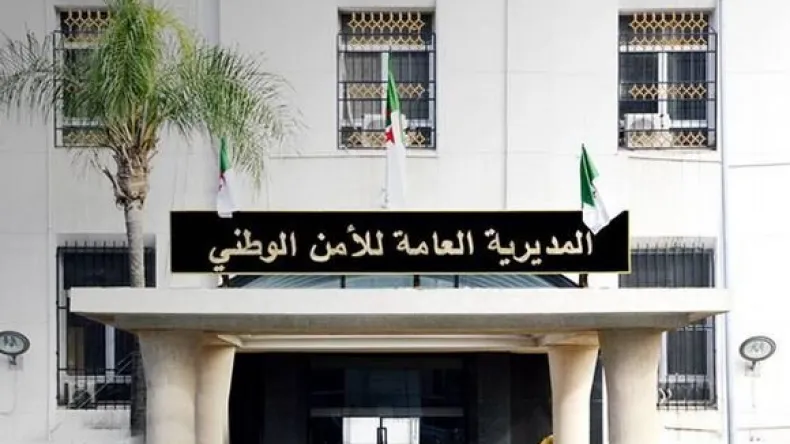
Algeria's Parliament approved a resolution on 25 October 2026 authorizing the deployment of army units to northern Niger. The mandate allows Algerian military personnel to operate across the border to address regional security concerns. These two developments represent distinct shifts in the operational posture of local and international actors throughout the Sahel and the Horn of Africa. While the FGS forces contend with persistent insurgent activity in Somalia, Algerian leadership has moved to formalize a military presence in Niger. Both events indicate changing tactical responses to security threats within their respective territories.
Al Shabaab Ambush Casualties
Al Shabaab claimed to have killed 413 federal soldiers during the ambush that occurred on 26 October. Reports regarding the total number of fatalities differ, as a Reuters source reported over 140 casualties among the Federal Government of Somalia forces following the same engagement.
The Somali Ministry of Defense stated that federal forces killed 75 al Shabaab militants and wounded 56 others during a counter-operation on 27 October 2026. These figures provided by the ministry represent the official account of the retaliatory action taken after the initial attack near Leego.
Rising Militancy in Somalia
Al Shabaab has intensified its offensive operations within South West state, recording a significant rise in hostile activity since the spring. Data indicates that the militant group increased its monthly attacks in the region by approximately 25 percent since March 2026. These strikes target various locations throughout South West state, escalating pressure on local security structures. Federal and regional officials continue to monitor these trends as the frequency of militant incursions grows across the territory. This uptick in violence represents a shift in the operational tempo of insurgent forces compared to the period preceding March 2026. The sustained increase in combat engagements remains a primary concern for authorities managing the security situation in the area.
Algeria Secures Strategic Interests
The Trans-Saharan Gas Pipeline is planned to run 2,565 miles from Nigeria through Niger to Algeria. This infrastructure project serves as a key logistical component for energy transport across the region, connecting resource-rich areas in Nigeria to European markets via the Algerian pipeline network.
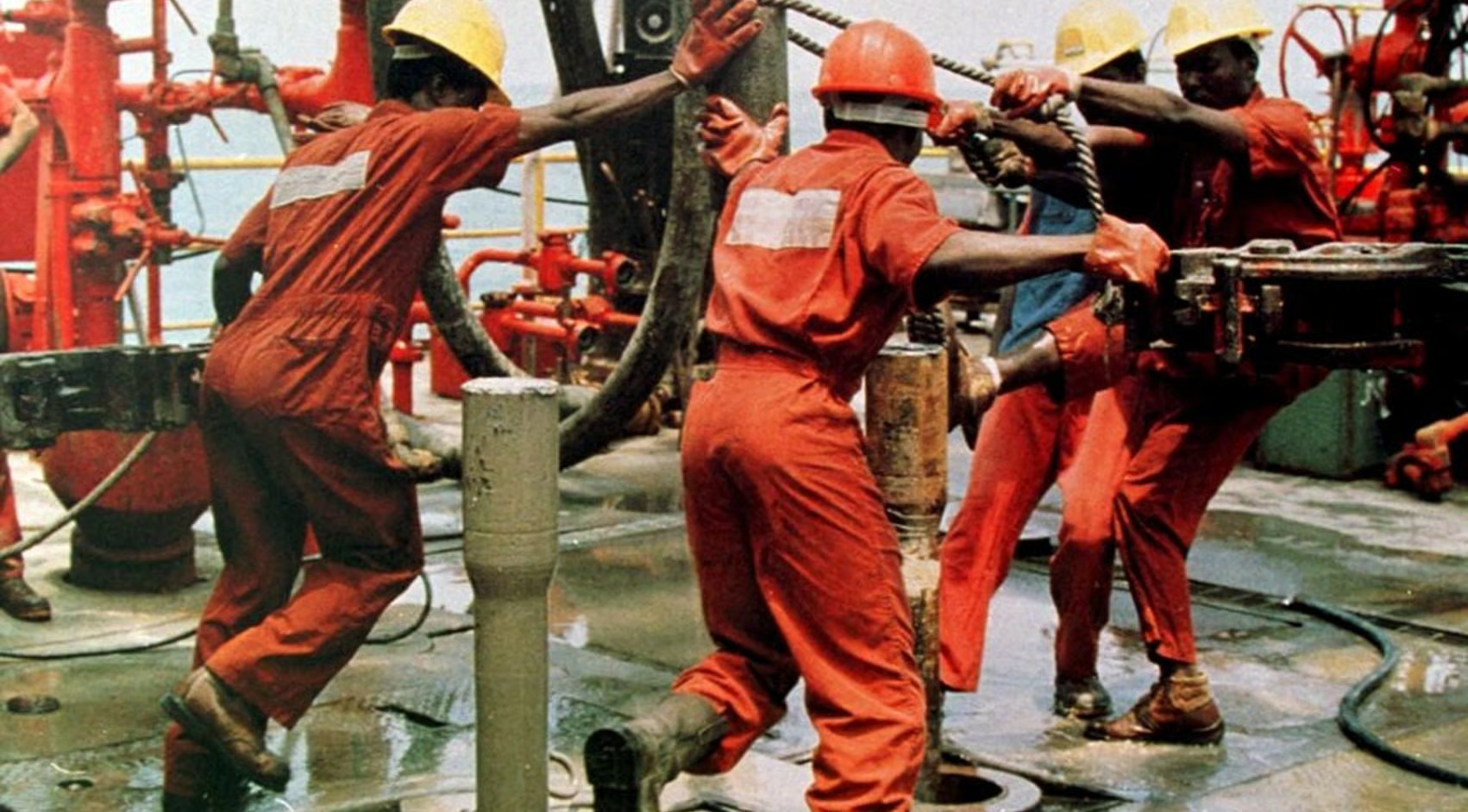
Sonatrach claims two oil drilling sites in Niger's Agadez region hold 268 million barrels of proven reserves. These assets represent a significant expansion of the company’s extractive interests in the territory. Operations at these specific sites fall under the broader energy development agenda pursued by the firm in northern Niger. The proximity of these oil reserves to the pipeline route provides a strategic justification for the presence of regional partners in the area. Management of these sites remains a priority for Sonatrach as the firm integrates its drilling activities with the regional transit infrastructure.