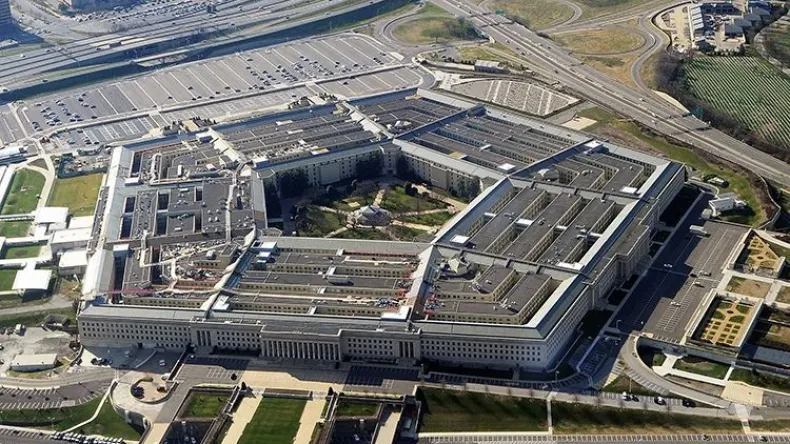
Several floors and corridors within the U.S. Department of Defense, known as the Pentagon, were closed on Thursday, June 11, following an incident that prompted a significant security response. The closures were specifically triggered by an air quality concern that led to a precautionary response from authorities and the activation of emergency protocols. This measure temporarily restricted access to parts of the iconic building located in Arlington, Virginia. The situation, which initially caused alarm, was later determined to be a false alarm, with normal operations resuming swiftly after a full assessment of the air quality was completed. The incident, though ultimately benign, showed the strict safety protocols and advanced environmental monitoring systems in place at the high-security facility, designed to protect its personnel and critical operations.
Incident Details Unfold
The affected areas included floors two through five in corridors four through seven of the vast Pentagon complex, which were subject to closure during the incident. The visible presence of emergency responders added to the gravity of the situation. Police officers present within the building were observed wearing gas masks and full protective gear, indicating the serious nature of the initial response to the unknown air quality issue. This immediate and visible deployment of specialized equipment noted the potential perceived threat and the authorities' commitment to readiness. The precautionary measures were put into effect as authorities sought to assess and contain the potential threat within the high-security facility, ensuring the safety of all individuals inside. The swift action helped to manage the situation effectively while investigations were underway.
System Response and Resolution
The building’s internal systems, designed for continuous environmental monitoring, detected an air quality issue, which subsequently required precautionary measures to be implemented without delay. These steps were taken to ensure safety until the precise significance of the detected anomaly could be thoroughly determined by authorities. Following the initial alerts from the sophisticated monitoring infrastructure, emergency protocols were activated, leading directly to the temporary closure of specific areas within the Pentagon. Specialized teams were promptly deployed to conduct full assessments of the air quality, aiming to identify the source and nature of the concern. The rapid response was in line with established safety guidelines designed to protect personnel in critical government facilities, emphasizing a proactive approach to potential hazards. After a detailed examination and thorough verification process, officials concluded that the initial detection was a false alarm, allowing normal operations to resume without further incident or lingering concerns. The swift and decisive action demonstrated the facility's preparedness for potential environmental hazards, no matter how minor or transient.
Context and Safety Systems
The closure and evacuation actions at the Pentagon were ultimately attributed to a false alarm within its sophisticated safety systems, specifically an anomaly detected by its advanced air quality sensors. This incident, despite its non-threatening conclusion, noted the rigorous protocols in place to monitor environmental conditions and ensure the well-being of personnel within the high-security facility. Such systems are meticulously designed to detect even minor anomalies or deviations from normal parameters, prompting immediate, albeit sometimes overly cautious, responses to prioritize safety. The rapid deployment of emergency procedures, despite the eventual all-clear, demonstrated the facility’s unwavering commitment to maintaining a secure operational environment for its thousands of employees. These measures are integral to the Pentagon's overall full safety framework, which is continuously updated and tested to respond to a wide array of potential threats, from environmental to security-related. The incident served as a real-world test of these strong systems and the personnel trained to operate them.
Official Statements
Officials confirmed shortly after the event that the incident at the U.S. Department of Defense, known as the Pentagon, was indeed a false alarm. A statement released after the event clarified that the precautionary measures, including the closure of several floors and corridors, were taken due to an air quality alert that ultimately proved to be unfounded upon further investigation. The Pentagon's internal systems detected an anomaly, which, in accordance with established emergency response protocols, immediately triggered the full response. Authorities conducted thorough checks of the affected areas, employing specialized equipment and trained personnel, before giving the all-clear. The swift action by personnel ensured safety while the situation was assessed, allowing normal operations to resume without further issues or disruption to critical government functions. This rapid and effective resolution showed the efficacy of the Pentagon's emergency management procedures.