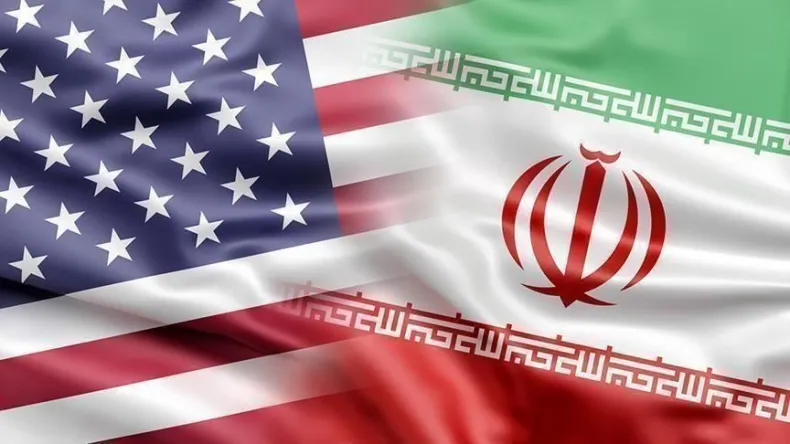
Pakistani Prime Minister Shehbaz Sharif announced on Friday, June 12, 2026, that a final agreed-upon text for a peace agreement between the United States and Iran has been reached. The Iranian News Agency 'Mehr' subsequently published details from a draft memorandum of understanding, comprising 14 clauses, which it stated were obtained from a source close to the Iranian negotiating team. This publication provided the first public glimpse into the specific terms under consideration. According to the Iranian Foreign Ministry spokesperson, the text still requires study and approval from relevant institutions within Iran before it can be finalized, indicating that while a draft exists, it is not yet a ratified agreement.
Key Terms of Draft Accord
The draft memorandum of understanding reportedly outlines a permanent and immediate cessation of war across all fronts, encompassing Lebanon. This critical provision aims to bring an end to ongoing conflicts and de-escalate regional tensions. It also includes a commitment from America not to interfere in Iran's internal affairs and to respect the sovereignty of the Islamic Republic of Iran, a long-standing demand from Tehran. Adherence to this principle is seen as foundational for rebuilding trust between the two nations. According to the document, the full lifting of the naval blockade would occur within 30 days, a measure that would significantly alleviate economic pressure on Iran.
America's commitment to withdraw its forces from the vicinity of Iran is also stipulated in the draft, addressing another key Iranian security concern. The Strait of Hormuz is slated for reopening within 30 days, operating under Iranian arrangements, which would restore a vital global shipping lane under local control. The draft memorandum details the suspension of sanctions on oil sales and petrochemical products, alongside enabling Iran full access to its financial resources. This full lifting of energy and financial sanctions is a central component of the proposed economic relief for Iran.
The proposed agreement requires America and its allies to present plans for Iran's reconstruction, valued at a minimum of 300 billion dollars. This substantial commitment shows the international recognition of the need for economic recovery in Iran following years of sanctions and isolation. A 60-day period for negotiations is included to finalize an agreement on nuclear issues, the full lifting of primary and secondary sanctions, U.S. Sanctions, and resolutions from the UN Security Council and the IAEA Board of Governors. These negotiations are key for establishing a lasting framework for Iran's nuclear program and its integration into the global economy. Iran, for its part, affirms its commitment to the Nuclear Non-Proliferation Treaty (NPT) by pledging not to produce nuclear weapons, a foundational assurance for international security.
During the negotiation period, America commits not to add forces to the region and not to impose new sanctions, creating a stable environment for talks. A total of 24 billion dollars of Iran's frozen funds are to be released during this 60-day period for final negotiations, with half of this sum becoming available to Iran before the negotiations commence. The draft specifies that final negotiations will not begin until half of the frozen Iranian funds are released, oil sanctions on Iran are suspended, and the naval blockade is lifted. These preconditions are designed to ensure Iran receives tangible benefits upfront, building confidence in the peace process.
Scope and Exclusions
The final agreement between the United States and Iran is reportedly limited to specific aspects of their long-standing disputes. According to sources familiar with the negotiations, the accord will primarily address the fate of enriched materials and the scope of uranium enrichment within Iran. It will also focus on the lifting of various sanctions imposed on Iran and a proposed reconstruction program for the Iranian economy. This focused approach aims to tackle the most immediate and pressing issues that have fueled tensions.
Crucially, the issue of Iran's missile program has been definitively removed from the agenda for this agreement. This exclusion indicates a pragmatic decision to prioritize other areas of contention for the current accord. Similarly, discussions concerning Iran's support for regional resistance factions are no longer part of the current peace talks. These exclusions suggest a narrower scope for the finalized text compared to previous, broader negotiation attempts, focusing on achievable goals rather than attempting to resolve all outstanding disagreements simultaneously.
Implementation and Ratification
A supervisory mechanism will be established to oversee the implementation of the peace agreement between the United States and Iran. This mechanism is intended to ensure adherence to the accord's provisions and facilitate resolution of any disputes that may arise during its execution, providing a framework for accountability. The final agreement will also undergo ratification through a United Nations Security Council resolution. This step signifies international endorsement of the accord and aims to provide a strong legal framework for its enforcement, integrating the peace terms into the broader international legal and political structure. The Security Council's involvement shows the global significance attached to the agreement's successful implementation and its potential impact on regional stability, offering a multilateral guarantee for its provisions.