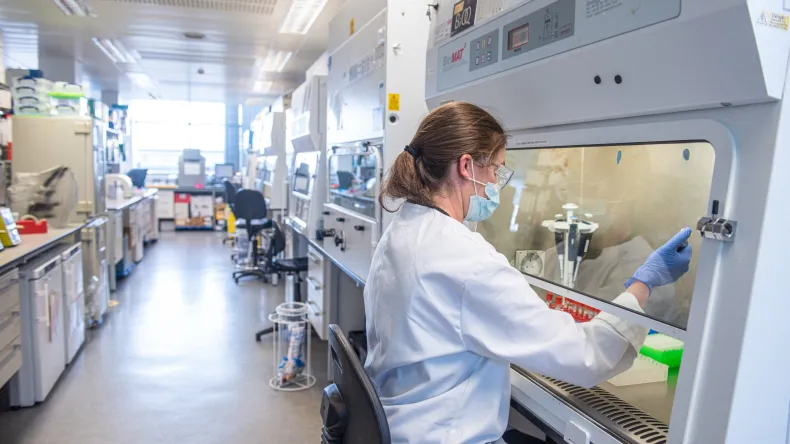
The Oxford Vaccine Group (OVG) is developing a new vaccine for the Bundibugyo strain of Ebola, utilizing the same technology as its COVID-19 vaccine. This effort comes as the World Health Organization (WHO) reported a significant number of cases. The Director-General of the WHO confirmed 82 cases of Ebola in the Democratic Republic of Congo, alongside approximately 750 suspected cases. The development of this new vaccine is a critical step in bolstering global health defenses against a persistent and deadly pathogen.
Ebola's Deadly Threat
Ebola virus disease remains a severe public health concern due to its high fatality rate. The disease is known to kill between 30% and 50% of those infected. This lethality shows the ongoing need for effective preventive measures and treatments, particularly in regions prone to outbreaks. The World Health Organization has previously noted the challenges in controlling the spread of Ebola, which can be exacerbated by factors such as limited healthcare infrastructure and community mistrust. These challenges make the rapid development and deployment of effective vaccines all the more urgent. Efforts to develop and deploy vaccines are critical in mitigating the impact of future outbreaks and protecting vulnerable populations from the virus's devastating effects. The unpredictable nature of Ebola outbreaks further emphasizes the importance of preparedness and innovative scientific solutions.
Leveraging Proven Technology
Oxford University's development of a new anti-Ebola vaccine for the Bundibugyo strain utilizes the same technology previously employed in its COVID-19 vaccine. This approach builds upon established scientific principles, offering a rapid pathway for vaccine creation by adapting an existing platform. The Oxford Vaccine Group (OVG) is leading this initiative, aiming to address the ongoing threat posed by Ebola virus disease, particularly in regions like the Democratic Republic of Congo. By repurposing a proven vaccine infrastructure, researchers can accelerate the development and testing phases, potentially bringing a new preventative measure to affected populations more quickly. This strategy is critical given the high fatality rates associated with Ebola outbreaks and the urgent need for effective public health interventions. The use of a well-understood technological base can also streamline regulatory processes and facilitate faster production once the vaccine proves effective. The World Health Organization (WHO) has consistently emphasized the importance of such innovations in controlling the spread of infectious diseases and responding to public health emergencies.
Past Experience and Future Hope
The World Health Organization (WHO) elevated the risk level of the epidemic in the Democratic Republic of Congo from 'high' to 'very high', indicating a serious public health concern. This assessment notes the ongoing challenges posed by Ebola outbreaks in the region and the need for strong intervention strategies. The increased risk level shows the severe impact the disease can have on local communities and the imperative for swift action.
The Oxford Vaccine Group (OVG) possesses prior experience in combating Ebola, having tested vaccines during the West Africa outbreak that occurred between 2013 and 2016. That critical period saw extensive efforts to develop and deploy effective preventative measures against the virus, providing valuable insights and foundational knowledge for current vaccine development initiatives. This past involvement shows the group's continued commitment to addressing the global threat of Ebola and leveraging its expertise in viral immunology. Their previous work provides a strong basis for the current research, informing strategies for vaccine design and clinical trials.
Expert Outlook
The World Health Organization (WHO) has assessed that the risk of an Ebola outbreak spreading internationally remains low. This evaluation provides context for ongoing vaccine development efforts, focusing on the localized nature of current outbreaks. While the international risk remains low, the local and regional impact of Ebola outbreaks can be devastating, necessitating continued vigilance and scientific advancement. This assessment does not diminish the urgency for developing effective vaccines and treatments for affected populations within the Democratic Republic of Congo and other at-risk areas. The focus remains on containing outbreaks at their source and protecting vulnerable communities from the severe consequences of the disease.