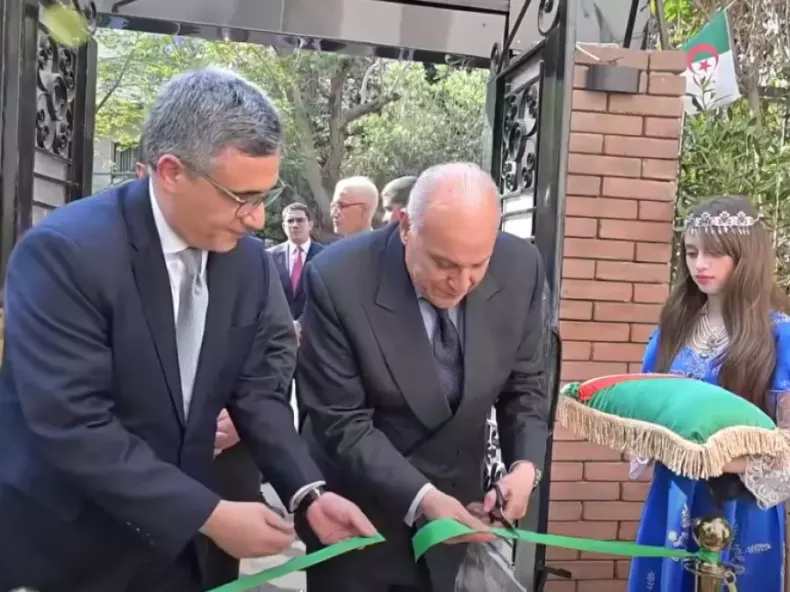
The third edition of the Sustainability Forum for Denmark, Norway, Sweden, and Finland convened in Algiers last Thursday, focusing on green energy partnerships with Algeria. The meeting emphasized a shared strategic path towards energy transition, aligning with the 2030 Sustainable Development Goals. Participants from the Nordic countries and Algeria reached a consensus on the importance of this transition. This consensus noted a shared understanding that the energy transition is a key strategic path, intrinsically linked to the broader objectives outlined in the 2030 Sustainable Development Goals. The forum, held in the Algerian capital, served as a key platform for fostering these international collaborations.
Algeria's Energy Transition Goals
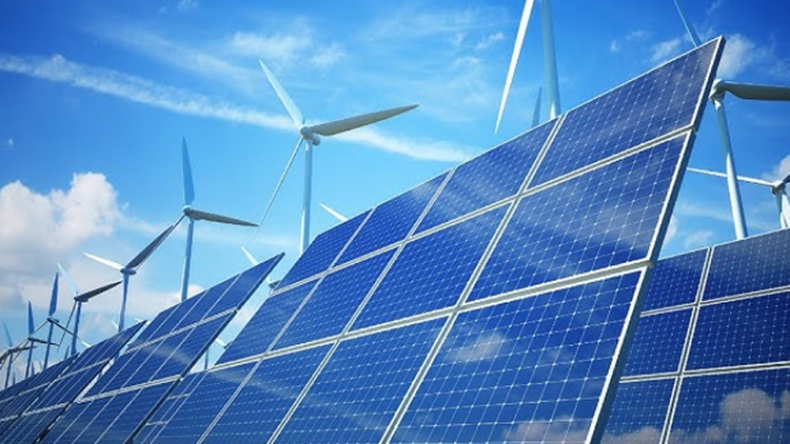
Algeria reiterated its readiness to strengthen partnerships in energy efficiency and clean energy development. The country is focusing on international collaborations to accelerate its energy transition, specifically in solar power, wind energy, industrial decarbonization, and the circular economy. This strategic focus shows Algeria's commitment to diversifying its energy mix and reducing its carbon footprint. The nation is actively betting on these international partnerships as a key mechanism to achieve its ambitious energy goals. The recent forum confirmed Algeria's desire to strengthen these partnerships with Northern European countries in both renewable energy and energy efficiency sectors, signaling a clear intent to move forward with concrete projects and initiatives. This commitment to collaboration is seen as essential for leveraging global expertise and technology in its transition towards a more sustainable energy future.
Forum Discussions and Business Meetings
The forum facilitated detailed discussion sessions focused on key areas including the reduction of emissions, the development of future energy systems, and the principles of the circular economy. These sessions served as platforms for participants to exchange insights and strategies, delving into the technical and policy aspects required for a successful energy transition. The discussions provided a full overview of innovative approaches and best practices from both regions, fostering a rich environment for learning and collaboration.
In parallel, direct meetings were organized between Algerian and Nordic companies. These business-to-business interactions aimed to explore new avenues for cooperation and identify potential investment opportunities within the green energy sector. The meetings provided a practical dimension to the forum's strategic discussions, allowing for direct engagement between potential partners. These face-to-face engagements are key for translating strategic alignment into tangible projects and investments, paving the way for concrete partnerships in renewable energy and energy efficiency.
A youth dimension was also integrated into the event. This involved a field visit for students to four Nordic companies currently operating in Algeria. The initiative aimed to engage younger generations and expose them to active partnerships in sustainable development, fostering future talent and expertise in the green energy sector. This hands-on experience provided students with valuable insights into the practical applications of green technologies and the operations of international companies committed to sustainability.
Nordic Perspective on Sustainability
Northern European countries have opened new avenues for collaboration in renewable energy and energy transition, as indicated by their representation at the forum. The embassies of Denmark, Finland, Norway, and Sweden in Algeria collectively participated in the event, signaling a unified approach to fostering green initiatives. This engagement shows a shared commitment from these Nordic nations to contribute to Algeria's energy transition goals and expand partnerships in sustainable energy solutions. The forum provided a platform for these countries to present their expertise and explore joint projects with Algerian counterparts. Their active participation notes the strategic importance they place on strengthening energy ties and promoting sustainable development in the region.
The forum specifically aims to align its objectives and outcomes with the broader framework of the Sustainable Development Goals (SDGs) and the United Nations 2030 Agenda. This alignment notes an international commitment to addressing global challenges related to climate change and sustainable development through collaborative efforts. By focusing on renewable energy and energy transition, the forum seeks to contribute directly to achieving targets such as SDG 7 (Affordable and Clean Energy) and SDG 13 (Climate Action), fostering a more sustainable future for both regions. This strategic alignment ensures that the partnerships forged and the initiatives discussed are part of a larger global effort towards environmental stewardship and sustainable economic growth. The commitment to these global frameworks reinforces the long-term vision of the forum's participants for a resilient and green future.