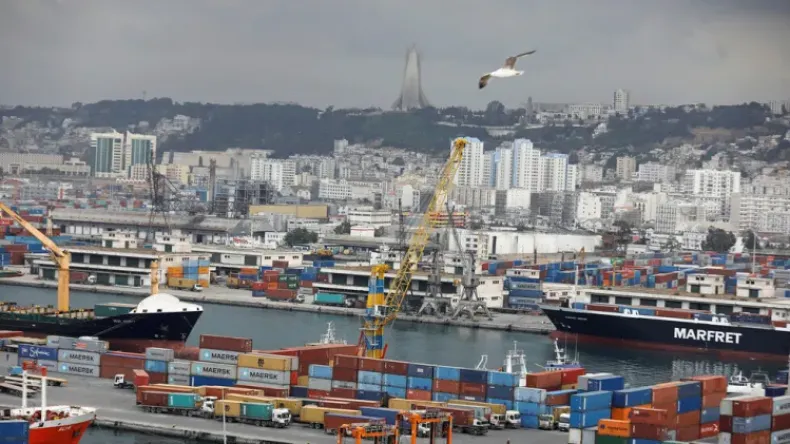
Four new organizational measures concerning import and export operations are scheduled to take effect starting July 1st. These full regulations are designed to significantly enhance control and transparency in the nation's trade activities. The Ministry of Foreign Trade and Export Promotion, which developed this strategic plan, stated that these measures were specifically prompted by a series of administrative investigations and rigorous field inspections. These detailed investigations and thorough inspections reportedly revealed various regulatory loopholes and circumvention practices within existing trade frameworks, noting areas where oversight needed to be strengthened and procedures clarified. The implementation of these new rules aims to create a more strong and accountable trading environment, addressing the vulnerabilities identified through these assessments.
Key Export Measures Detailed
The new regulations introduce several significant changes for exporters. One key modification dictates that exports valued at less than 100,000 dinars will now require prior authorization before they can proceed. This new requirement is intended to bring a broader range of export transactions under closer scrutiny, ensuring that even smaller-scale operations adhere to established guidelines.
Additionally, exporters dealing with fresh and perishable products are mandated to submit the previous shipment invoice, which must be registered in the country of origin, before commencing new export operations. This specific measure is designed to provide a clear audit trail for sensitive goods, helping to verify the legitimacy of transactions and prevent discrepancies.
A third key measure stipulates that intermediaries and traders engaged in exporting local products must obtain a license directly from the producer. This license is explicitly required to prove the real price of the commodity being exported, aiming to increase transparency in pricing and transactions across the supply chain. This step is key for preventing under-invoicing or over-invoicing and ensuring fair market practices. The Ministry of Foreign Trade and Export Promotion stated these measures are part of broader efforts to enhance control and ensure greater oversight of trade activities, particularly focusing on the accuracy of declared values and the integrity of product origins.
Importer Requirements Specified
Importers engaging in the resale of goods in their original condition are also subject to new, stringent requirements. These importers are now required to submit a detailed plan to authorities. This full plan must specify the intended storage locations for the imported products, providing clarity on where goods will be held after entry into the country. It must meticulously outline the distribution channels through which the goods will be moved from storage to their final retail points or consumers. A key component of this new requirement is the identification of the final destinations for these imported items, ensuring authorities have a complete picture of the product's journey within the domestic market.
This measure aims to enhance oversight of the supply chain for goods that are not processed or altered after import, which are often susceptible to illicit trade or market manipulation. The new regulations seek to ensure greater transparency regarding where products are stored, how they are distributed, and their ultimate point of sale or consumption within the country. This move applies specifically to goods that maintain their original form upon entry and subsequent resale, fostering a more transparent and trackable import process.
Rationale Behind the Changes
These measures are part of a full plan developed by the Ministry of Foreign Trade and Export Promotion. The Ministry indicated that the new regulations are designed to update economic governance, aiming to enhance transparency across all trade operations. A key objective of the changes is also to secure financial flows associated with import and export activities, combating illicit financial practices and ensuring that all transactions are legitimate and properly recorded. The full set of regulations seeks to address identified vulnerabilities and streamline procedures for both exporters and importers, ensuring clearer oversight of trade transactions and promoting a more stable and predictable trading environment.