In Morocco, banks that extended loans to citizens are reportedly selling non-performing debts to specialized foreign companies. This practice transfers the debt obligation from the original lender to a new entity. The Moroccan debtor is not consulted during this process and subsequently faces a new creditor, who may pursue collection with potentially harsher terms than the original lending institution. These foreign companies reportedly acquire the debt at a reduced price and then demand the full original amount from the debtor, including all accrued interest and fees. This mechanism means that the debtor, without their input or consent, finds their financial obligations transferred to an entity that might employ more aggressive collection strategies than the initial lending institution.
Morocco's Financial Crisis and Debt Market
This policy, involving the sale of non-performing debts, is presented in the article as a consequence of a significant financial crisis affecting Morocco. The article suggests that this approach is a direct result of a real financial crisis within the country's economic landscape. By mid-2026, the total volume of non-performing debts within the country had surpassed 104 billion dirhams, which is approximately 11.3 billion U.S. Dollars. This substantial figure represents about 9% of all loans extended by Moroccan banks, noting the scale of the financial challenge. The underlying strategy for Morocco in facilitating this practice is to establish a secondary market for debts, which aims to enable banks to regain liquidity and, in turn, stimulate the broader economy. The Moroccan logic behind this system is to open up a secondary market for these debts, thereby allowing banks to recover vital liquidity. This recovery of funds is intended to strengthen the financial institutions and, by extension, contribute to stimulating the overall national economy. However, the article criticizes that the Moroccan decision did not adequately consider the debtor's interests, focusing primarily on the bank's perspective and financial health.
Algeria's Sovereign Debt Management
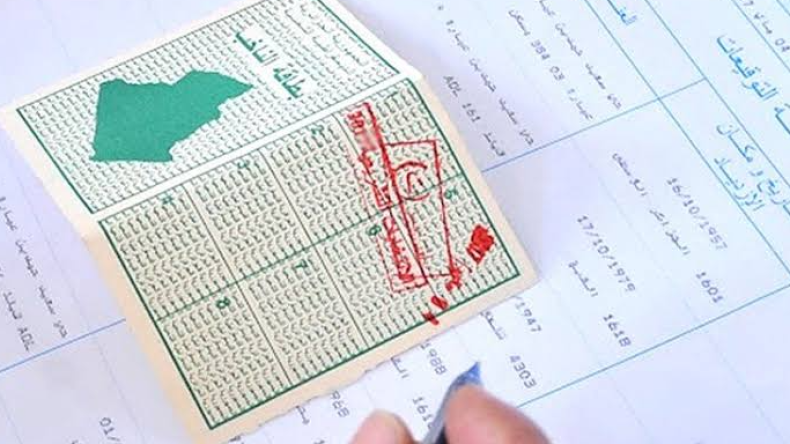
Algeria, in contrast to Morocco's approach, has never sold its citizens' debts to foreign institutions since gaining independence. This policy reflects a different strategy for managing financial obligations within the country, emphasizing national sovereignty and citizen welfare over the externalization of debt management. In a significant move, Algeria's 2026 finance law enacted a complete cancellation of all debts, fines, and interest that had accumulated before 2011. This full measure aimed to alleviate long-standing financial burdens on a significant portion of its citizenry.
Under the same law, Algeria reduced debts accumulated between 2012 and 2025 by 70%. This reduction was accompanied by the full cancellation of associated fines and late interest payments, providing substantial relief to those who had incurred debts more recently. These measures indicate a deliberate effort to alleviate financial burdens on its citizens, directly impacting their economic stability and well-being. The Algerian state and local banks reportedly bear part of the financial loss resulting from these cancellations and reductions. This is characterized as the cost of maintaining social cohesion and upholding citizen dignity within the country's financial framework, reflecting a national priority to protect its people from overwhelming financial distress. The Algerian approach considers the citizen as an integral part of the nation, providing support and intervention when individuals face financial difficulties, rather than allowing their debts to be commoditized and sold off.
Contrasting National Priorities
The article contrasts Morocco's strategy, which it describes as prioritizing money and markets, with Algeria's focus on protecting its citizens. The Moroccan decision regarding debt sales is criticized for reportedly considering only the bank's interests, without taking into account the debtor's position or the potential hardship faced by individuals. Conversely, the Algerian approach is presented as viewing the citizen as an integral part of the nation, providing support when financial difficulties arise, and acting to protect people first. This difference notes distinct national priorities in managing economic challenges and citizen welfare, showcasing two fundamentally different philosophies regarding the role of the state in addressing financial distress among its populace. Morocco's strategy is depicted as prioritizing the health of financial institutions and the functioning of debt markets, while Algeria's strategy explicitly prioritizes the well-being and dignity of its citizens, even at the cost of immediate financial returns for banks.