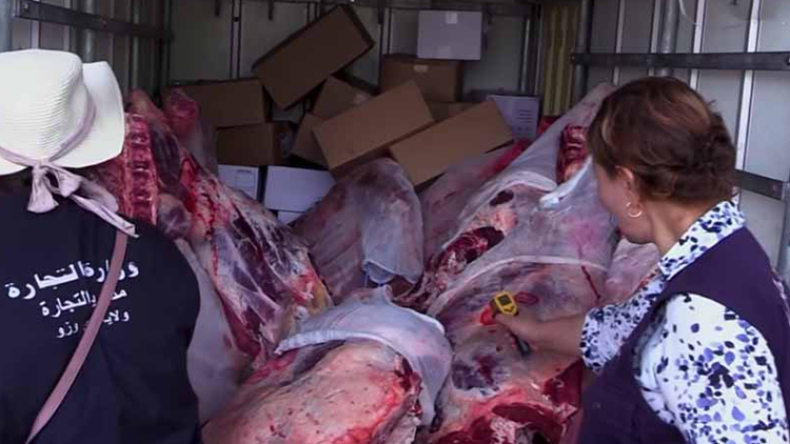
The Ministry of Internal Trade and Market Regulation has begun implementing a new package of organizational and regulatory measures on Thursday to address the impacts of record high temperatures on national market supply and food product safety. This full initiative by the Ministry of Internal Trade and Market Regulation comes in response to the challenges posed by extreme weather. New provincial decisions were issued on Thursday to regulate certain sensitive commercial activities, aiming to safeguard public health and maintain market stability. These measures are specifically designed to preserve the cold chain, reduce food product loss, and ensure the stability of the national supply, according to reports published on July 17, 2026. This proactive approach shows the ministry's commitment to protecting consumers and supporting the economy during challenging environmental conditions.
New Regulations for Perishable Goods
Trade directorates in several provinces have issued new decisions impacting the display and sale of pre-cut fruits. These regulations stipulate that such products must be showcased in shops equipped with health-compliant preservation and cooling facilities. This requirement ensures that pre-cut fruits are maintained at appropriate temperatures from the point of display until purchase, minimizing the risk of spoilage and bacterial growth. The refrigeration units specifically used for pre-cut fruits are mandated not to exceed four degrees Celsius, a critical temperature threshold for preventing the proliferation of harmful microorganisms. A key directive also strictly prohibits the re-cooling or re-displaying of any unsold products. This measure is key for preventing foodborne illnesses by ensuring that products are not offered for sale after their quality has been compromised by temperature fluctuations.
Additionally, directorates of trade have issued instructions prohibiting the pre-preparation and subsequent reheating of certain fast food meals. This restriction applies specifically to popular items such as shawarma, tacos, and maqloub, showing a broader effort to enhance food safety standards during periods of high temperatures. The directive aims to prevent food safety risks associated with inadequate cooling and reheating cycles, which can foster bacterial growth in prepared foods. These measures are part of an ongoing initiative to ensure public health and maintain the integrity of the food supply chain across the affected regions, providing a safer environment for consumers.
Intensified Inspections and Monitoring
A national program to monitor cold rooms and storage spaces has been launched as part of the Ministry of Internal Trade and Market Regulation's efforts to enforce new food safety rules. This initiative aims to ensure compliance with preservation and cooling standards across the food supply chain, particularly during periods of high temperatures when risks are elevated. The program involves regular checks and audits of facilities where perishable goods are stored, processed, and sold.
Joint field excursions are being intensified across various provinces to oversee the implementation of these new directives. These intensified inspections focus on commercial establishments handling perishable goods, ensuring adherence to the strict guidelines recently issued. Officials have indicated that violations discovered during these checks can lead to serious repercussions. Such violations may result in the seizure of non-compliant products, administrative closure of establishments, and legal prosecution for those found in breach of the regulations. This strong enforcement mechanism is designed to act as a strong deterrent, encouraging businesses to strictly comply with the new food safety standards. The ministry emphasizes that these measures are non-negotiable, given the potential public health risks involved.
In one notable joint operation in Constantine province, authorities seized and destroyed over 2015 kilograms of various food products. This decisive action was taken due to the products' non-compliance with required cooling conditions, showing the strict enforcement of the new measures. The operation notes the immediate consequences faced by businesses failing to meet the updated food safety standards and serves as a clear example of the authorities' commitment to protecting consumers.
Strategic Reserves and Broader Goals
The Ministry of Internal Trade and Market Regulation is also implementing a program aimed at controlling dry garlic for the 2025-2026 season. This initiative seeks to establish strategic reserves of the commodity, ensuring its availability and price stability in the market. The program is part of broader efforts to manage national market supply and ensure food security, particularly for essential staples. The focus on strategic reserves complements the new food safety regulations by addressing long-term availability and stability of essential food items, mitigating potential shortages. This approach shows the ministry's commitment to a full strategy that encompasses both immediate consumer protection and future supply chain resilience, particularly in the face of environmental challenges such as high temperatures. These strategic interventions are key for maintaining economic stability and public confidence in the food supply system.