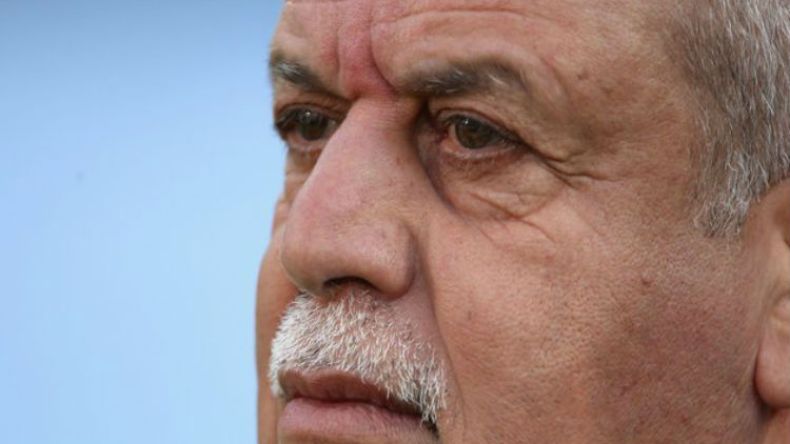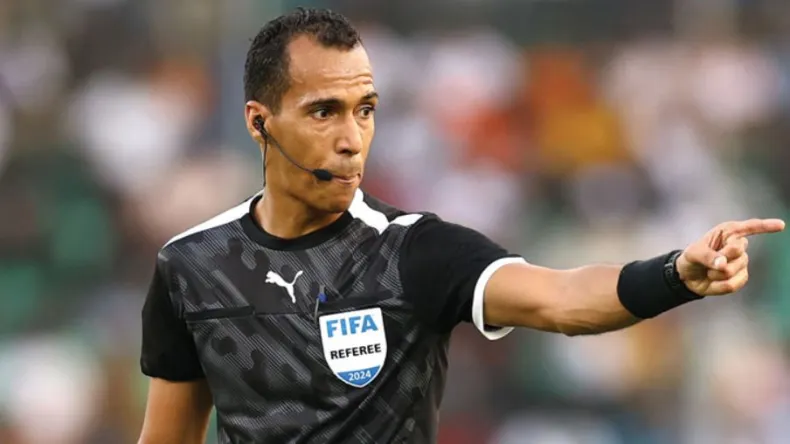
Mauritanian referee Dahane Beida has been appointed to officiate the 2026 World Cup finals match between Austria and Jordan on June 17. This significant assignment places him at the center of one of the tournament's group stage encounters. The 2026 World Cup finals are set to be a landmark event, hosted across three North American nations: the United States, Canada, and Mexico. Beida is widely considered one of the most prominent rising names in African refereeing, a reputation he has earned by consistently excelling in major competitions. His extensive experience includes officiating events organized by both the Confederation of African Football (CAF) and the International Federation of Football Associations (FIFA), showcasing his proficiency and recognition at both continental and global levels of football. His appointment to such a high-profile match shows the confidence placed in his abilities by the international football community.
Key Officials Named for Austria vs. Jordan
The officiating team for the Austria vs. Jordan match will comprise a diverse group of international officials. Assistant referees for the match will include Gerson Emiliano dos Santos from Angola and Elvis Noupoue of Cameroon, who will support Beida on the sidelines. Oshane Nation, representing Jamaica, is designated as the fourth official for the fixture, responsible for managing substitutions and technical area conduct. Caleb Wales, hailing from Trinidad and Tobago, will assume responsibility for the key Video Assistant Referee (VAR) operations, ensuring fair play through technology. This full team notes the global nature of World Cup officiating assignments.
Referee's Rising Profile and International Experience
Dahane Beida has held the esteemed status of an international referee since 2018, marking a significant period of his career officiating matches at a global level. This international designation has allowed him to participate in some of the most prestigious football tournaments worldwide. His experience notably includes officiating in prominent tournaments such as the Africa Cup of Nations, where he gained recognition for his consistent and authoritative performance. Further solidifying his profile on the international stage, Beida also served as a referee during the Paris 2024 Summer Olympics, an event that attracts global attention and demands the highest standards of officiating. These appointments highlight his remarkable progression within the refereeing ranks and his consistent involvement in major football championships organized by leading sporting bodies. His participation in such high-profile events demonstrates the profound confidence placed in his officiating capabilities by both continental and global football organizations, making him a fitting choice for a World Cup finals match.
Tournament Format and Other Matches
In another Group 10 encounter, Algeria and Argentina are scheduled to compete on June 17, adding to the day's exciting schedule. This match is particularly significant for Algeria, as the North African nation will return to the World Cup finals after a 12-year absence, marking a highly anticipated comeback for their fans. The Algeria vs. Argentina match is scheduled to be played at Arrowhead Stadium in Kansas City, a renowned venue in the United States. The kickoff for this eagerly awaited fixture is set for 2 AM Algerian time. The Poland referee Szymon Marciniak, an experienced international official, has been appointed to officiate the match between Algeria and Argentina.
The tournament's format stipulates that the top two teams from each group will qualify directly for the Round of 16, ensuring that group stage performance is critical. This marks the first time in World Cup history that a Round of 16 will feature this qualification structure, reflecting an evolution in the tournament's design. The remaining spots in the Round of 16 will be filled by the eight best third-placed teams across the groups, providing an additional pathway for teams to advance beyond the initial stage of the competition. This expanded format promises a highly competitive and engaging tournament for football fans worldwide.