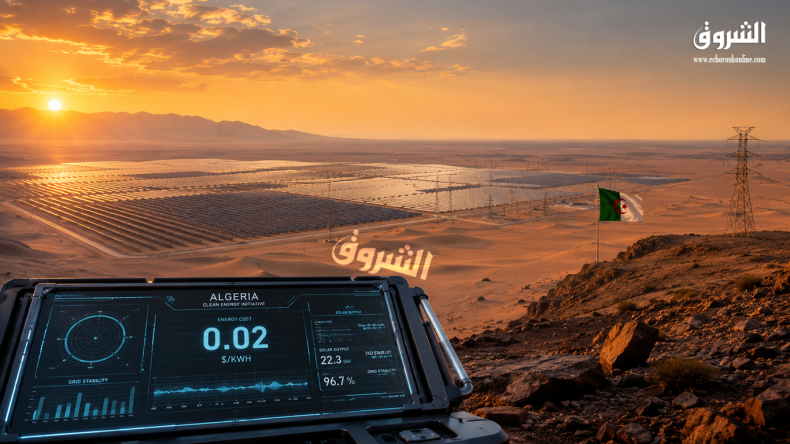
Algeria plans to significantly reduce the cost of producing green electricity to attract investment from the European Union, according to reports published on June 14, 2026. The North African nation is targeting a production cost of between 1.5 and 2 cents per kilowatt-hour, a substantial decrease from its current rate of approximately 5 cents. This strategic initiative seeks to position Algeria as a competitive and attractive supplier of renewable energy for European markets, making its green energy projects more viable for international investors. The significant cost reduction is seen as a key step towards fostering deeper economic ties and energy partnerships with EU member states.
Renewable Energy Ambitions
Algeria's strategy to lower green electricity costs is part of a broader national push towards renewable energy, reflecting a deep-seated commitment to diversifying its energy mix and reducing its carbon footprint. This initiative coincides with the implementation of a full renewable energy program designed to achieve a substantial capacity of 15,000 megawatts. This ambitious target shows the nation's commitment to expanding its clean energy infrastructure and becoming a major player in the global renewable energy landscape. The move is expected to attract considerable foreign direct investment, particularly from European entities seeking reliable and affordable green energy sources.
Currently, Algeria operates a renewable energy program that contributes 3,200 megawatts to its electricity grid. This existing capacity forms the foundation upon which future expansions will be built, demonstrating Algeria's practical progress in its renewable energy transition. The operational experience gained from managing this capacity is vital for the successful deployment of larger-scale projects. Following the current phase, a subsequent program is slated for launch, which will add an additional 3,000 megawatts to the country's renewable energy portfolio. This incremental approach aims to steadily increase Algeria's green electricity production capabilities, supporting its goal of becoming an increasingly important energy supplier to the European Union. The phased development strategy allows for continuous learning and adaptation, ensuring efficiency and sustainability in its renewable energy growth.
EU Partnership and Strategy
The goal behind Algeria's push for cheaper green electricity is to ensure the competitiveness of investments related to clean energy projects and its partnership with the European Union. By making renewable energy production more cost-effective, Algeria aims to lower the financial barriers for European companies looking to invest in its burgeoning green energy sector. This strategic alignment comes as the European Commission recently announced its new energy strategy, aptly dubbed 'Mediterranean Cooperation for Renewable Energy and Clean Technologies' (T-MED). The T-MED program is specifically designed to facilitate the European Union's access to carbon-free green energy from partner nations, reinforcing the mutual benefits of such collaborations.
This initiative positions Algeria as a potential key contributor to the EU's ambitious energy transition goals, offering a stable and geographically proximate source of clean power. By making its green electricity more affordable and accessible, Algeria aims to attract substantial European investment and foster deeper collaboration in renewable energy development, including technology transfer and capacity building. The proposed cost reduction is seen as a critical step in enabling the smooth integration of Algerian clean energy into the European market, thereby supporting the EU's efforts to decarbonize its energy mix and enhance its energy security. The T-MED strategy provides a structured framework for these partnerships, ensuring a streamlined process for energy procurement and infrastructure development.
Economic and Strategic Implications
Algeria is expected to play a key role in the transition to renewable energies, positioning itself as a significant and reliable partner for Europe in achieving its climate objectives. The partnership with the European Union offers Algeria a unique opportunity to transition from primarily exporting raw energy materials, such as natural gas and oil, to exporting low-carbon industrial products and clean energy itself. This shift aligns with broader economic goals, moving beyond traditional fossil fuel exports to embrace a more sustainable and diversified economic model. This strategic reorientation promises long-term economic stability and job creation within Algeria's growing green industries.
Algeria has expressed keen interest in participating in major energy projects aimed at strengthening regional connectivity and renewable energy infrastructure, further cementing its role as a key energy hub. These include the 'Southern Hydrogen Corridor', an initiative designed to transport green hydrogen across the Mediterranean to European demand centers, and 'Medlink', a project focused on enhancing electricity grid interconnections between North Africa and Europe. These developments show Algeria's strategic intent to integrate its renewable energy capabilities into the wider European energy landscape, fostering economic growth through sustainable industrial production and contributing significantly to global decarbonization efforts. Such projects are vital for creating a strong and interconnected green energy network across the Mediterranean region.