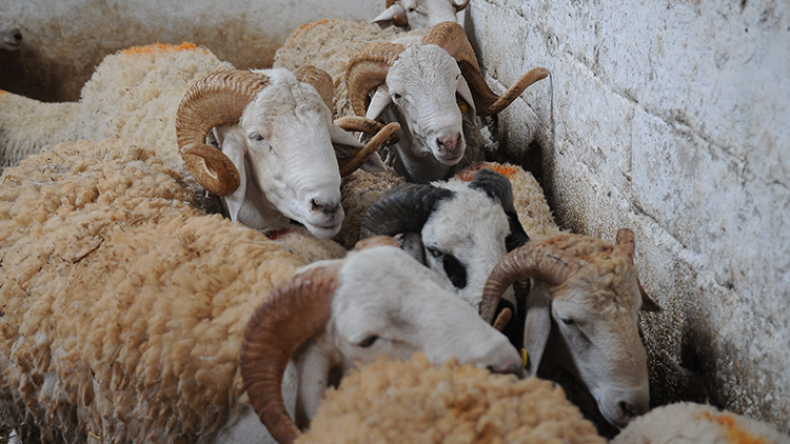
Livestock prices in eastern Algeria, including markets in Tebessa and Mila, have tangibly dropped ahead of Eid al-Adha. The reduction follows a surge in demand for imported sacrificial animals, which many citizens successfully obtained at a set price. This fixed pricing for imported animals was met with great demand, offering a predictable alternative for consumers. A consensus suggests these imported animals, chosen by thousands of Algerians, contributed significantly to the stagnation of the local livestock market and subsequent price reductions across the region. This shift in consumer preference and market dynamics has had a profound impact on traditional selling patterns.
Market Stagnation and Price Declines
The weekly livestock market in Zighara municipality, located 7 km west of Mila, and other points of sale experienced a notable stagnation in the buying and selling of sacrificial animals. This slowdown followed earlier price increases observed in the markets, which had made local livestock less accessible for many. By the end of the week, prices in livestock markets across the municipalities of El-Qarram Ougga, Freidjiss, and Chelghoum Laid had dropped considerably, reflecting a widespread trend across eastern Algeria. This decline was a direct response to the market's inability to sustain the previously high prices in the face of new competition and consumer resistance.
In the Zighara municipality market, sales of animals were nearly non-existent, with most citizens attending primarily to check current prices rather than to make purchases. This lack of transactions showed the severe stagnation affecting local sellers. Many herders subsequently returned their livestock to farms due to the persistent stagnation and a growing trend among buyers to purchase sacrificial animals from digital platforms. These online options offered more reasonable prices compared to physical market rates, providing an attractive alternative for budget-conscious consumers. The availability of these digital platforms has introduced a new layer of competition, forcing traditional market prices downwards. Meanwhile, a large turnout was observed at the Laroukad road market in the center of Tebessa city on Friday morning. This increase in attendance occurred after news of the price drops became widespread, drawing in buyers hoping to find more affordable options.
Specific Price Drops and Expert Analysis
Market experts in Tebessa reported that prices have fallen by approximately 20 percent compared to the previous week, a significant adjustment in a short period. This substantial reduction notes the intensity of the market correction. In the El-Chareia market, located about 45 km from the capital of Tebessa province, a specific sheep that had cost 12 million centimes last week was observed selling for 10 million centimes. This reduction reflects the broader trend in the regional livestock market, demonstrating the tangible impact of the increased supply and altered demand. Prices in the previous market in Ouled Djellal had ranged between 14 to 17 million for medium-sized livestock, with larger animals commanding significantly higher figures. The current market dynamics represent a notable shift from these earlier price points, indicating the powerful impact of recent changes stemming from the availability of imported animals and digital purchasing options.
Herders' Perspective and Consumer Behavior
A herder confirmed the shift in market dynamics, acknowledging the new reality for sellers. He stated that a price of 12 million centimes is now sufficient to obtain a respectable sacrifice, reflecting the current lower price thresholds in the market. This sentiment notes the adjustment in expectations among sellers following the recent price decreases and the need to adapt to a more competitive environment. Consumers, meanwhile, have shown a clear preference for more affordable options, including imported animals and purchases made through digital platforms, contributing to the intense pressure on local livestock prices. The availability of diverse and competitively priced choices has fundamentally altered traditional buying patterns leading up to Eid al-Adha, pushing down prices across eastern Algeria's livestock markets.