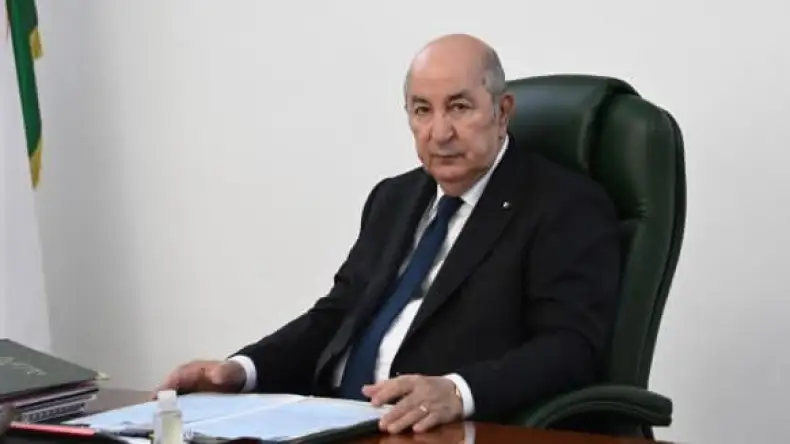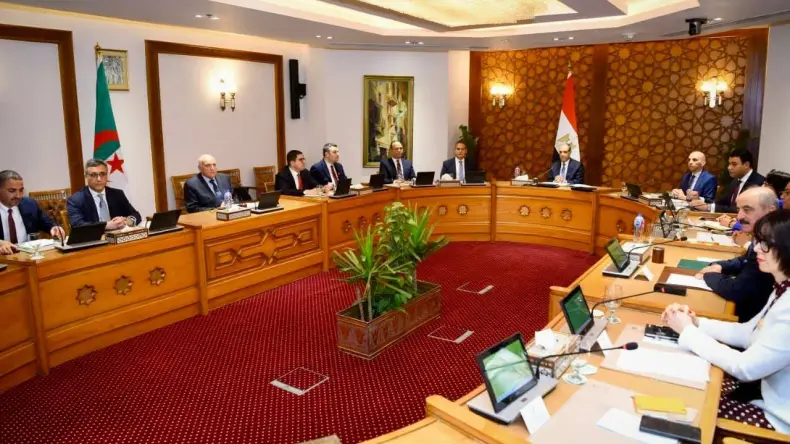
Ahmed Attaf, Minister of State, Minister of Foreign Affairs, National Community Abroad and African Affairs, participated in a ministerial meeting of the Libya Neighboring Countries Mechanism in Cairo on Thursday, May 21. The meeting convened to consult on the latest developments in Libya and explore avenues to advance the political settlement process within the country. Delegations gathered in Cairo, Egypt, to discuss the ongoing situation and coordinate regional efforts. The meeting aimed specifically to consult on the latest developments in Libya and discuss ways to advance the political settlement process, fostering a regional consensus on the path forward. These critical discussions unfolded against a backdrop of persistent instability and division within Libya. The deliberations among the neighboring states were designed to reinforce a unified stance on the crisis. The discussions concluded with the adoption of a joint statement by the participating nations. The joint statement outlined the collective position of Libya's neighboring countries regarding the path forward for a United Nations-led political solution, addressing regional stability concerns. This statement was a culmination of the day's intensive diplomatic exchanges.
Ministers Detail Path Forward
Egyptian Minister of Foreign Affairs and Expatriates, Badr Abdel Aty, and Tunisian Minister of Foreign Affairs, Migration and Tunisians Abroad, Mohamed Ali Nafti, attended the meeting in Cairo. Their presence showed the high-level commitment of key regional players to finding a resolution for the Libyan crisis. The gathering facilitated discussions among regional leaders regarding the Libyan situation, focusing on practical steps and diplomatic strategies. During the proceedings, participants received a briefing from Hanna Tetteh, the UN Special Representative and Head of the United Nations Support Mission in Libya (UNSMIL). Ms. Tetteh presented an update on the ongoing political process and humanitarian conditions within Libya, providing insights into the challenges and opportunities for a peaceful resolution. Participants heard a full briefing from the UN Special Representative and Head of UNSMIL, Hanna Tetteh, who detailed the complexities of the current landscape. Her presentation covered both the diplomatic efforts underway and the pressing humanitarian needs facing the Libyan population. This briefing from the UN Special Representative showed the international community's involvement in supporting Libya's stability efforts, providing a key global perspective to the regional discussions. Ministers from the neighboring countries then engaged in detailed discussions following the UN's assessment, aiming to align their strategies with the UN-led framework and ensure a coordinated approach.
Security Challenges and External Interference
The joint statement from the meeting emphasized that a full political solution, operating under the auspices of the United Nations, represents the sole pathway to resolve the ongoing division and safeguard Libya's unity, security, and sovereignty. This approach, according to the statement, must be free from all forms of external interference. Ministers participating in the high-level talks explicitly rejected any external interference in Libya's internal affairs, asserting the principle of national self-determination. They showed their collective commitment to principles of non-intervention and respect for national sovereignty, viewing these as foundational for any lasting peace. The joint statement further emphasized that a full political solution under UN auspices is the only way to end the division and preserve Libya's unity, security, and sovereignty, away from all forms of external interference. This firm stance reflected a unified regional consensus against foreign intervention. The ministers conveyed their deep concern regarding persistent security challenges within Libya. These challenges include, but are not limited to, political assassinations, which continue to undermine stability and hinder the peace process, according to their joint declaration. Ministers expressed particular concern over security challenges in Libya, specifically noting the prevalence of political assassinations as a destabilizing factor.
Commitment to Libyan-Led Process
Ministers reaffirmed their commitment to ongoing coordination and consultation through the tripartite neighboring countries mechanism. This renewed dedication aims to safeguard Libya's unity and sovereignty, according to the joint statement issued after the meeting. Ministers renewed their commitment to continue coordination and consultation within the tripartite neighboring countries mechanism to preserve Libya's unity and sovereignty, reinforcing the regional framework for cooperation. This mechanism serves as a vital platform for continued dialogue and strategic alignment among the nations most directly affected by the situation in Libya. The participants emphasized that any full solution for the country must be "Libyan-Libyan," originating from the independent will and consensus of all segments of the Libyan population. This approach mandates the exclusion of any external influence, ensuring that the resolution reflects the collective aspirations of the Libyan people without discrimination. Ministers stressed that the full solution must be Libyan-Libyan, stemming from the will and consensus of all components of the Libyan people without exclusion, thereby ensuring legitimacy and broad acceptance. The ministers showed the importance of an inclusive process to foster lasting stability and peace within Libya's borders, recognizing that genuine reconciliation must come from within. Their collective statement called for an end to all actions that could exacerbate the conflict or undermine the prospects for a peaceful, Libyan-led political transition.