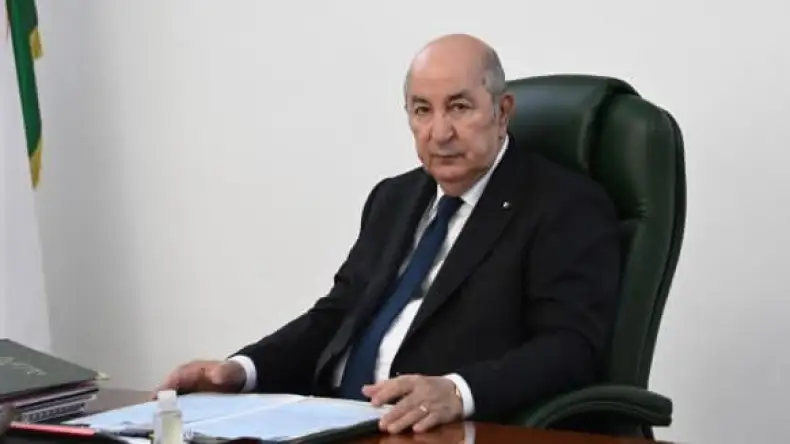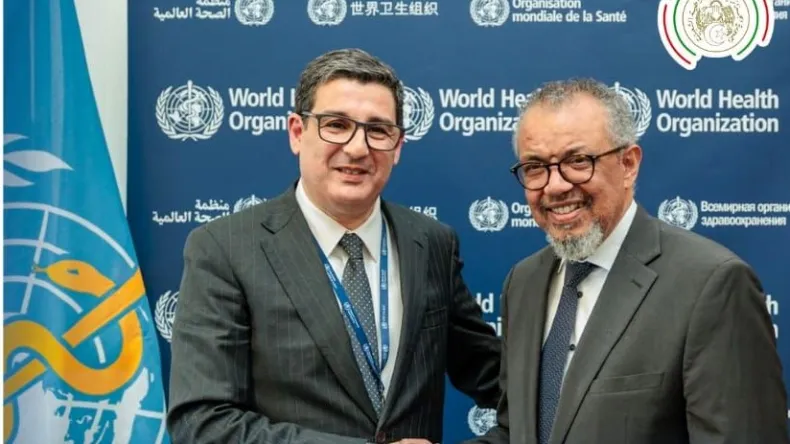
Algerian Minister of Health, Professor Mohamed Seddik Ait Mesoudan, met with the Director-General of the World Health Organization (WHO), Dr. Tedros Adhanom Ghebreyesus, in Geneva. The meeting occurred on the sidelines of the 79th World Health Assembly. The 79th World Health Assembly is currently taking place in Geneva, Switzerland, from May 18 to May 23. This significant gathering brings together global health leaders to address pressing issues and foster international cooperation. The discussions between Professor Ait Mesoudan and Dr. Ghebreyesus focused on various health-related topics, including Algeria's efforts in public health and its collaboration with the WHO. The encounter provided an opportunity to reinforce partnerships and address global health challenges within the framework of the ongoing assembly, noting the importance of coordinated international action in public health.
Africa's Health Priorities Discussed
Discussions between Algerian Health Minister Professor Mohamed Seddik Ait Mesoudan and WHO Director-General Dr. Tedros Adhanom Ghebreyesus focused extensively on health challenges confronting the African continent. Both parties showed the necessity of reinforcing health system readiness across the region, recognizing the critical need for resilient healthcare infrastructure. They also emphasized the importance of developing strong rapid response mechanisms to effectively manage health crises as they arise, ensuring timely and efficient interventions. A key point of agreement was the expansion of universal health coverage, aiming to ensure broader access to essential healthcare services for populations throughout Africa. This commitment reflects a shared vision for equitable health outcomes across the continent. These substantive discussions took place during a meeting on the sidelines of the 79th World Health Assembly in Geneva, a forum dedicated to advancing global health agendas. The Algerian delegation noted its ongoing efforts in public health and its sustained collaboration with the World Health Organization, reaffirming its dedication to regional health initiatives.
Algeria's Health System Strengths
Algerian Minister of Health, Professor Mohamed Seddik Ait Mesoudan, lauded the World Health Organization's (WHO) contributions to combating infectious diseases. He specifically noted the organization's efforts in disease eradication, such as its impactful work against trachoma, a leading cause of preventable blindness. Professor Ait Mesoudan acknowledged the WHO's vital role in global health security and its commitment to improving health outcomes worldwide. In response, WHO Director-General Dr. Tedros Adhanom Ghebreyesus commended Algeria's advancements in its health system, recognizing the nation's significant progress.
Dr. Ghebreyesus recognized Algeria's progress across several key areas, including disease prevention, patient care, and the full training of medical professionals. He also acknowledged the nation's strides in health system digitalization, which enhances efficiency and accessibility, and its initiatives to bolster national pharmaceutical production, key for self-sufficiency and access to medicines. The Director-General noted Algeria's increasing influence and commitment to supporting health cooperation and solidarity across the African continent, positioning it as a key regional player. This recognition shows Algeria's growing regional role in public health initiatives and its dedication to fostering collaborative health efforts.
Proposed Tamanrasset Health Hub
Discussions between the Algerian Minister of Health and the WHO Director-General included a significant project to establish an international reference center. This proposed facility, intended for vaccination and tropical disease control, would be strategically located in Algeria's Tamanrasset province. The initiative aligns with Algeria's broader vision to transform its southern region into a significant regional health hub. This hub would serve various Sahel and other African countries, aiming to enhance healthcare infrastructure and services across the continent, addressing prevalent health challenges in the region. The proposed center shows Algeria's commitment to strengthening regional health capabilities and addressing prevalent health challenges, particularly those impacting vulnerable populations. This project represents a concrete step towards improving health security and access to specialized care in Africa.
Future Cooperation and Commitment
Discussions between Algerian Minister of Health, Professor Mohamed Seddik Ait Mesoudan, and WHO Director-General Dr. Tedros Adhanom Ghebreyesus focused on enhancing cooperation through joint programs and projects. These initiatives are designed to improve public health indicators across Africa, aiming for measurable progress in key health metrics. They also aim to strengthen epidemiological surveillance systems, key for early detection and response to health threats, and intensify coordination efforts in combating epidemics and health emergencies. The proposed projects are intended to bolster the continent's preparedness and response capabilities, creating a more resilient health landscape.
Both Professor Ait Mesoudan and Dr. Ghebreyesus renewed their commitment to continue coordination and consultation, emphasizing the ongoing dialogue necessary for effective partnership. They showed the importance of strengthening the enduring partnership between Algeria and the World Health Organization. This commitment reflects a shared vision for collaborative action on pressing health challenges, ensuring sustained efforts towards global health improvement. The meeting showed a mutual dedication to advancing health outcomes through sustained engagement and joint ventures, reinforcing the strategic alliance between Algeria and the WHO.