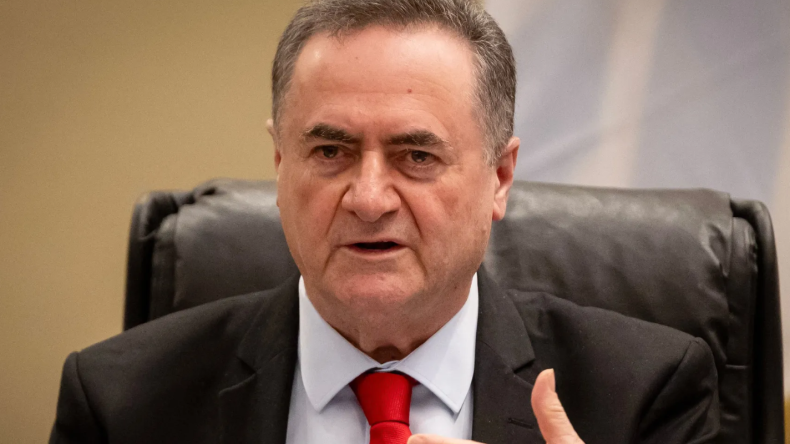
Israeli Minister of War Yisrael Katz has issued a stark warning to Iran, threatening a broad and devastating military response should Tehran launch any attack on Tel Aviv. Katz explicitly stated that such an action would revert Iran to the "Stone Age," showing the severity of Israel's potential retaliation. The minister's remarks indicate a significant potential for military escalation between the two nations, noting the volatile geopolitical climate in the region. His statements come amidst heightened tensions and serve as a clear message regarding Israel's defensive posture and offensive capabilities.
Katz Details Escalatory Threats
Israeli Minister of War Yisrael Katz articulated the extent of Israel's potential response, stating unequivocally, "Any Iranian attack on Israel will free us from all restrictions." This declaration suggests that an Iranian offensive would remove any self-imposed limitations on Israel's military actions. Katz further elaborated on the nature of this potential retaliation, adding that "Israel will strike, if attacked, all infrastructure, including energy infrastructure, and return Iran to the Stone Age and darkness." These remarks outline a potential Israeli military response that would not only target critical infrastructure in Iran but also aim to cripple the nation's essential services and societal functions. The minister's detailed threats show a strategy of overwhelming force designed to deter any aggressive moves from Tehran.
Israel's Readiness and Iran's Motives
Minister Katz affirmed Tel Aviv's full preparedness for any eventuality, stating that the Israeli army is "ready to carry out the tasks assigned to it." He confirmed that Israel is well-equipped both defensively and offensively to address all potential scenarios, emphasizing the nation's strong military capabilities. This assertion aims to project an image of strength and readiness to both allies and potential adversaries.
Beyond military readiness, Katz also suggested that Iran's leadership faces significant internal challenges that could influence its actions. He claimed that severe economic pressures within Iran, combined with the Iranian leadership's fears of widespread internal protests and the potential for regime collapse, might compel Tehran to "take desperate steps." These remarks frame a potential Iranian attack as a response to domestic instability rather than a purely external strategic move, suggesting that internal pressures could drive Tehran towards risky foreign policy decisions. This perspective offers a deeper analysis of the potential motivations behind any Iranian aggression, linking it to the country's internal political and economic landscape.
US President's Stance on Iran
U.S. President Donald Trump indicated in remarks to Western media that he would resume a full-scale war against Iran "unless the United States gets 100% of what it wants." Trump elaborated on his stance regarding potential conflict with Iran, stating, "If we don't get 100% of what we want, we will be going back for sure," in response to a question about resuming a full-scale war with Iran. His comments suggest a firm negotiating position that could lead to military action if demands are not fully met, noting the administration's uncompromising approach to diplomatic resolutions.
President Trump also stressed that Washington's European allies would face "a big problem" if he ceased his friendship. This statement implies a potential diplomatic and economic challenge for European nations should they not align with the U.S. Position on Iran, exerting pressure on allies to conform to American foreign policy objectives. The President’s remarks show a resolute approach to geopolitical negotiations, linking allied relations to U.S. Foreign policy objectives and signaling a potential recalibration of international partnerships based on compliance with American demands. This firm stance from the U.S. Adds another layer of complexity to the already tense situation, influencing global diplomatic efforts concerning Iran.