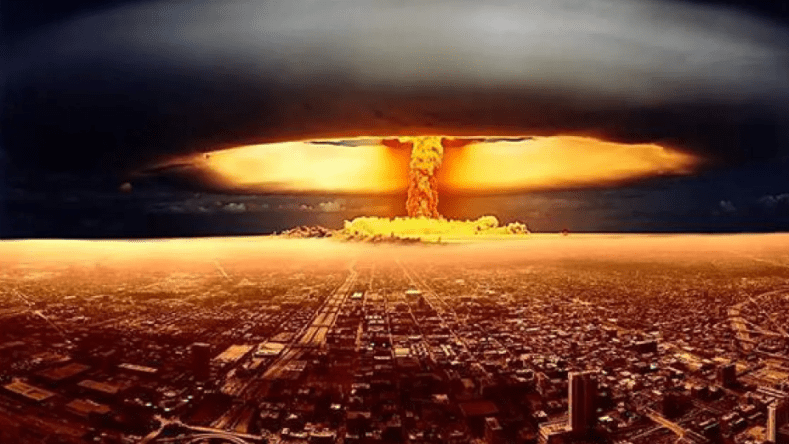
Iranian state television aired a video simulation depicting a nuclear explosion occurring near a residential area on 3 November 2026. The broadcast provided viewers with specific survival instructions intended for use during a potential nuclear detonation. The simulation featured imagery of an atmospheric blast near Jabal al-Fas, illustrating the immediate impact on the local environment and civilian infrastructure. Iranian authorities presented the guidance as part of a public safety initiative during a period of heightened tensions between Iran and the United States. The footage detailed emergency procedures, including recommended shelter locations and protective measures for residents living in proximity to the simulated impact zone. No further information regarding the origin of the video or specific government directives accompanied the transmission.
The state-run broadcast, which aired on 3 November 2026, served as a full instructional segment for the public. The program focused on the physical consequences of a nuclear event, demonstrating the blast radius and the subsequent thermal effects on nearby residential structures. By utilizing digital simulations, the network aimed to visualize the potential threat environment for the civilian population. The broadcast emphasized that preparedness is a critical component of national safety protocols during times of geopolitical instability.
Public Survival Instructions Issued
The state-run broadcast instructed citizens to avoid looking directly at the initial flash of a detonation. Viewers were told to seek cover immediately behind sturdy barriers and to remain indoors for a minimum of 24 hours to mitigate radiation exposure. The instructions explicitly warned that the initial light from a nuclear event could cause permanent eye damage, and therefore, individuals should turn away from the direction of the blast. The broadcast advised that staying inside reinforced buildings would provide the necessary shielding from radioactive fallout, which is expected to settle in the hours following an atmospheric explosion.
US President Donald Trump addressed these developments during an interview on 3 November 2026. He stated, "The Iranians desperately want to reach an agreement, and there is a very good chance of achieving that." He further elaborated on his diplomatic stance by saying, "I prefer to reach an agreement with Iran to save many lives if possible." The President emphasized that his administration maintains a preference for diplomatic solutions, noting that the current situation remains fluid as both nations assess their respective positions.
Despite the focus on potential negotiations, President Trump also referenced specific military capabilities regarding Iranian infrastructure. He identified an underground facility known as Jabal al-Fas, or the Mountain of the Axe, as a potential target for US forces. President Trump asserted that the United States military possesses the capability to strike the site on short notice, stating, "We might have to target the Jabal al-Fas site in Iran, and we can accomplish that within an hour." This statement showed the strategic importance of the facility, which has become a central point of discussion in the context of the current diplomatic and military discourse. The President’s remarks noted the dual nature of the United States' approach, balancing the possibility of a negotiated settlement with the stated readiness to engage in decisive military action against key infrastructure if necessary.