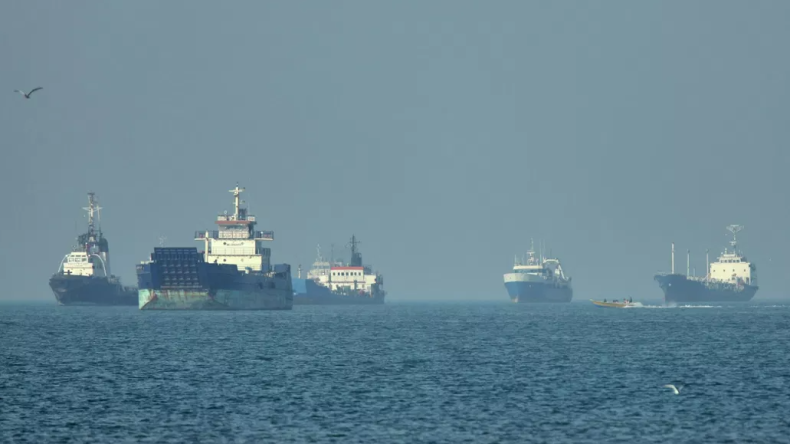
Iran has outlined seven conditions for the reopening of the Strait of Hormuz to navigation, according to Iranian media reports on Sunday. The conditions were conveyed in a message sent to the United States of America. This development comes amid ongoing tensions regarding maritime passage through the strategic waterway, a critical conduit for global oil shipments. The Iranian government's firm stance indicates that the strait will remain closed until these specific demands are fully addressed and satisfied by relevant parties.
Diplomatic Maneuvers Unfold
The announcement from Tehran comes on the eve of a significant meeting slated for Monday in the Sultanate of Oman, involving Iraq and Gulf countries. This gathering is specifically intended to address the establishment of safe passages for commercial navigation within the Strait of Hormuz, as confirmed by the Iranian Ministry of Foreign Affairs. The agenda for the meeting shows the international community's concern over the stability and accessibility of this vital maritime route. Earlier reports from Tasnim news agency indicated that prior agreements reached between Iran and Oman concerning the strait did not include a decision for its immediate reopening. Instead, Tasnim noted that the two nations had coordinated the primary entry and exit routes for vessels transiting the waterway under those existing agreements, without committing to an immediate resumption of full access. This notes the complexity of prior arrangements and the current, more stringent conditions being put forth by Iran.
Escalation and Sanctions Context
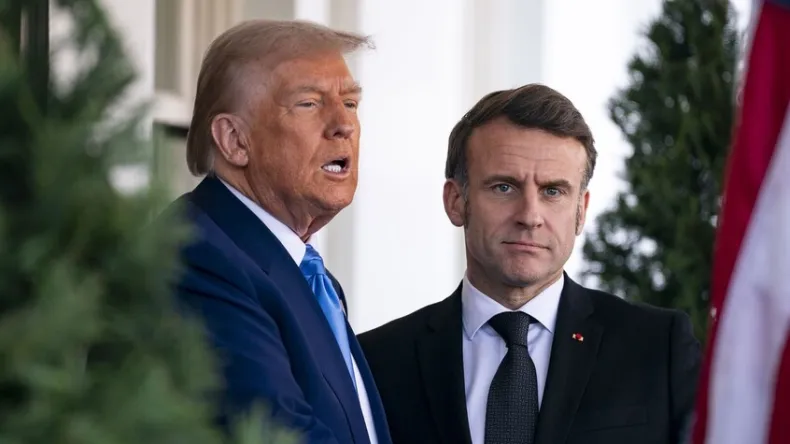
After approximately three weeks, the region experienced a renewed period of escalation following accusations from Washington that Tehran had bombed commercial ships in the Strait of Hormuz. These accusations preceded a resumption of reciprocal strikes between the two sides, further exacerbating an already tense environment. The escalating situation has drawn significant international attention due to the strait's importance for global trade. On August 20, then-US President Donald Trump announced the launch of an economic operation. President Trump stated that this operation would impose unprecedented isolation on Iran, signaling a significant intensification of economic pressure from the United States. This move was part of a broader strategy aimed at compelling Iran to alter its regional policies and nuclear program. The imposition of new sanctions and the rhetoric surrounding them have demonstrably contributed to the heightened tensions observed in the region.
Iranian Response and Stance
Iranian Foreign Minister Abbas Araghchi characterized President Trump's statements as an admission of defeat in the ongoing conflict. Araghchi’s remarks came as tensions continued to escalate in the region following the imposition of new economic measures by the United States. The Foreign Minister's interpretation notes Tehran's perspective on the efficacy of the US's recent actions and their broader implications for the bilateral relationship, suggesting that the sanctions have not achieved their intended objectives from Iran's viewpoint. Tehran has maintained its position regarding the strategic waterway, linking its reopening to specific conditions that it deems necessary for regional stability and its national interests. This firm stance reflects Iran's resolve to leverage its control over the strait as a bargaining chip in the face of international pressure.
Strait's Strategic Importance
The Strait of Hormuz will remain closed until seven conditions, which have received approval from senior Iranian officials, are fully satisfied. This firm stance shows Tehran's resolve regarding the critical waterway, linking its accessibility to the fulfillment of these specific requirements. The closure, therefore, is not temporary but contingent upon external actions aligning with Iran's demands, as articulated by its leadership. The approval by senior Iranian officials lends significant weight to these conditions, indicating a unified and determined approach from Tehran. The international community continues to monitor the situation closely, given the strait's vital role in global energy markets and the potential for significant disruption if commercial navigation remains restricted. The economic ramifications of a prolonged closure would be broad, affecting oil prices and global supply chains.