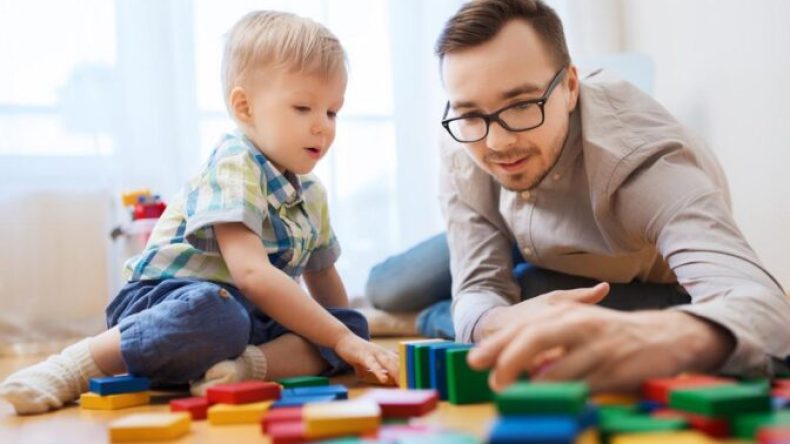
Play is identified as a key method through which children acquire essential skills, including thinking, communication, negotiation, problem-solving, emotional management, and world discovery. Indeed, play is one of the most important ways a child learns to think, communicate, negotiate, solve problems, manage emotions, and discover the world. Reciprocal interactions between a child and their parents, characterized by child-initiated actions and parental responses, are considered foundational for the development of brain function, social and linguistic skills, cognitive abilities, and self-regulation. These reciprocal interactions, where the child initiates and the parent responds, are fundamental building blocks for brain development, social and linguistic skills, cognitive abilities, and self-regulation. An article detailing these findings was published on September 13, 2026, and has accumulated 399 views.
The Foundation of Learning
Play is linked to the development of several executive functions essential for cognitive growth, according to child development research. These functions encompass cognitive flexibility, which allows individuals to adapt to new situations, alongside impulse control, which is key for managing reactions. Play also aids in the development of working memory, attention span, and problem-solving capabilities, all of which are vital for learning and navigating daily challenges. The development of these executive functions, including cognitive flexibility, impulse control, working memory, attention, and problem-solving, is a key benefit of engaging in play. Through play, children naturally exercise these key cognitive skills, preparing them for more complex learning environments and life challenges.
Unstructured play provides children with opportunities to practice decision-making independently, fostering a sense of autonomy. Through these less formal interactions, children can discover their own interests and learn to collaborate effectively with others. It also serves as a practical arena for developing key social skills, including negotiation, conflict resolution, and the ability to articulate and defend their own needs within a group setting. Unstructured play specifically helps children practice decision-making, discover interests, work with others, negotiate, resolve conflicts, and defend their needs. This type of play allows children to explore their world on their own terms, leading to organic learning experiences and the development of self-reliance.
Parental Presence and Connection
When a parent engages in play with a child, the interaction conveys a significant message to the child: 'You are important to me, and I want to be with you.' This direct communication of value and desire for connection is considered fundamental. When a parent plays with a child, the child receives a deeper message: 'You are important to me, and I want to be with you.' This affirmation strengthens their sense of security and belonging. The quality of a parent's presence and the attention they provide during playtime are deemed more key than the sophistication or monetary value of any toy involved. A parent's presence and attention during play are more important than the complexity or price of the toy, emphasizing the relational aspect over material possessions. This perspective suggests that the emotional and relational aspects of play, rather than material possessions, primarily contribute to a child's sense of self-worth and security. The active participation of a parent in a child's play reinforces their importance, fostering a stronger bond and emotional development.
Simple Tools for Rich Play
Studies indicate that simple toys, including blocks, paper, and safe household items, can provide ample opportunities for creativity and exploration. These readily available materials encourage children to engage their imaginations and develop problem-solving skills without the need for complex or expensive items. Studies indicate that simple toys like blocks, paper, and safe household items can provide ample opportunities for creativity and exploration, proving that effective play does not require elaborate setups. The American Academy of Pediatrics suggests that everyday shared activities can become significant opportunities for play and interaction. This transformation occurs when children are actively involved, allowing for spontaneous engagement and mutual discovery between children and caregivers. Such active participation in routine tasks fosters a sense of connection and turns ordinary moments into valuable developmental experiences. The simplicity of these tools encourages children to be the architects of their own play, fostering ingenuity and resourcefulness.
Broader Meaning of Play
Spending time engaged in play with a child goes beyond immediate enjoyment, fostering a stronger relationship between the child and their caregivers. This interaction is understood to contribute to the child's emotional well-being by building an emotional reserve. This reserve can provide a foundation of security and resilience, aiding the child in navigating future challenges and stresses. Spending time playing with a child builds a stronger relationship and an emotional reserve for the child, creating a buffer against life's inevitable difficulties. The consistent investment of time in shared play communicates care and commitment, reinforcing bonds that are key for healthy development. This sustained engagement helps to establish a stable emotional environment, which supports the child's overall growth and capacity to cope with adversity. It also cultivates a sense of trust and open communication, essential for a child's psychological health and their ability to form meaningful connections throughout their life.