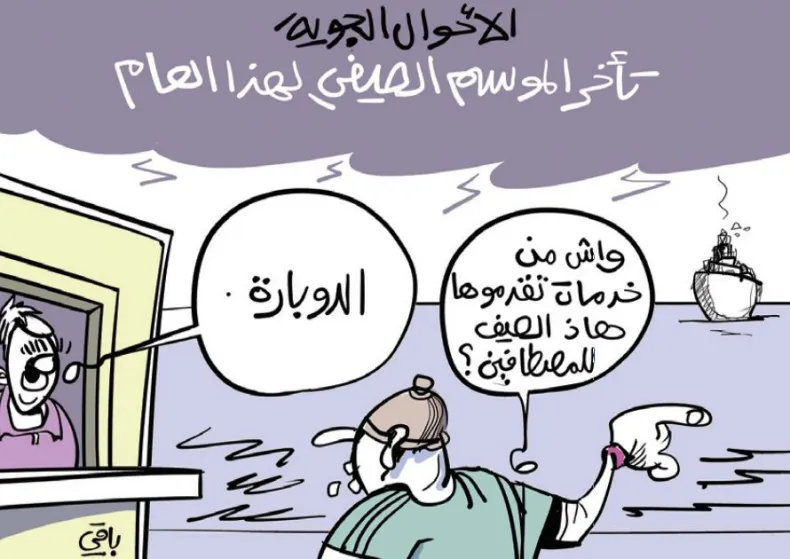
Algeria has experienced severe weather conditions, with various regions facing significant impacts. The prolonged period of adverse weather has led to considerable challenges for residents and local authorities across the nation. These conditions have affected daily life and infrastructure across the country, disrupting normal routines and essential services. The ongoing situation prompts concerns regarding public safety and economic stability in the affected areas, necessitating careful management and strategic planning. The varied meteorological events have presented a complex scenario for response teams and communities alike.
Detailed Weather Analysis
Algeria has recently experienced a series of complex weather patterns, according to meteorological observations. Forecasters have noted significant variations in temperature and precipitation across different regions of the country. These conditions include periods of heavy rainfall in some areas, contrasting with extended dry spells in others, noting a pronounced meteorological dichotomy. The variability has posed challenges for agricultural planning and water resource management within the affected zones, impacting vital sectors. Meteorological data indicates that these patterns are consistent with broader atmospheric shifts observed over the past season. Experts are analyzing long-term trends to understand the underlying drivers of this weather variability, seeking to identify recurring patterns and potential causes. The analysis aims to provide clearer insights into potential future climate impacts, aiding in predictive modeling and preparedness.
Broader Environmental Context
Algeria's weather patterns are occurring within a broader environmental context marked by shifting global climate trends. These trends have implications for the frequency and intensity of extreme weather events observed in various regions worldwide, including the North African continent. Scientists have indicated that such atmospheric shifts can exacerbate existing environmental vulnerabilities, including those related to water scarcity and desertification, which are already pressing issues in arid and semi-arid regions. The nation, الجزائر, like many others in the Maghreb and Sahel regions, faces challenges associated with these long-term climatic changes, requiring strong adaptation strategies. Ongoing research aims to understand how these global shifts specifically influence regional meteorological phenomena, such as droughts and heavy rainfall, that impact the country. This broader perspective helps inform strategies for climate adaptation and resource management in the affected areas, emphasizing the interconnectedness of local weather with global climate.
Observed Impacts and Responses
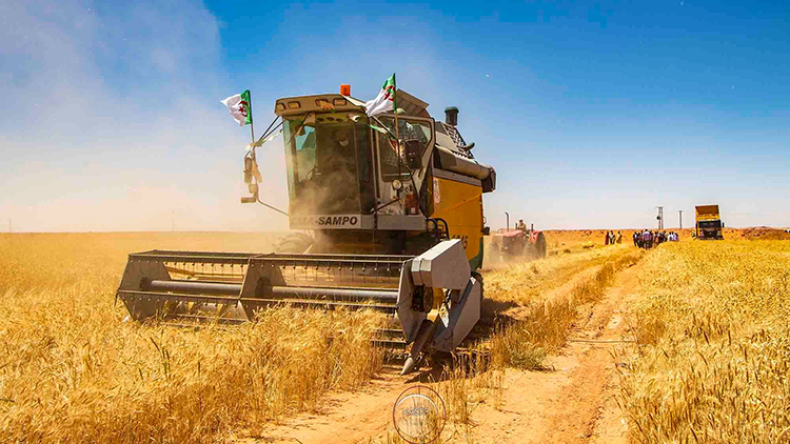
The severe weather conditions across الجزائر have led to a range of observed impacts and responsive measures. Reports from الشروق أونلاين indicate that agricultural sectors have faced considerable challenges due to both excessive rainfall and prolonged dry spells, affecting crop yields and water availability for irrigation. This dual impact shows the difficulty farmers face in planning and sustaining their livelihoods. Local authorities have initiated various emergency protocols to address immediate concerns stemming from these conditions. These protocols include monitoring critical infrastructure for damage and deploying resources to areas most affected by adverse weather, ensuring rapid responses to urgent situations.
Residents have adapted daily routines in response to the unpredictable patterns, with some communities experiencing disruptions to transport and essential services, noting the direct impact on daily life. The government, in cooperation with relevant agencies, has begun assessing the long-term implications for food security and water management, aiming to develop more resilient strategies for the future. The ongoing situation requires continuous monitoring and flexible response mechanisms to mitigate further impacts on the population and economic activities within the country, ensuring sustained efforts to protect communities.
Future Outlook and Preparedness
Authorities in الجزائر are developing strategies to enhance preparedness for future weather events. These plans focus on improving early warning systems and reinforcing critical infrastructure to mitigate potential impacts, thereby reducing vulnerability. The government aims to implement long-term solutions for climate adaptation, protecting communities and economic sectors from adverse conditions through proactive measures. These measures are designed to build resilience against increasingly unpredictable weather.