The National Office for Prosthetics and Orthotics (الديوان الوطني للأعضاء الاصطناعية ولواحقها) provided services to over 100,000 individuals with disabilities during 2025. This assistance is part of the office's ongoing efforts to support people requiring prosthetic and orthotic devices. The services provided by the office specifically included the provision of artificial limbs, technical aids, and health assistance. The National Social Security Fund (الصندوق الوطني للضمان الاجتماعي) covers the costs of prosthetics and orthotics, reaching up to 100 percent in many cases, according to official statements. This substantial financial support ensures accessibility to necessary medical equipment for beneficiaries across the country, alleviating the financial burden on individuals and their families.
Scope of Services and Reach
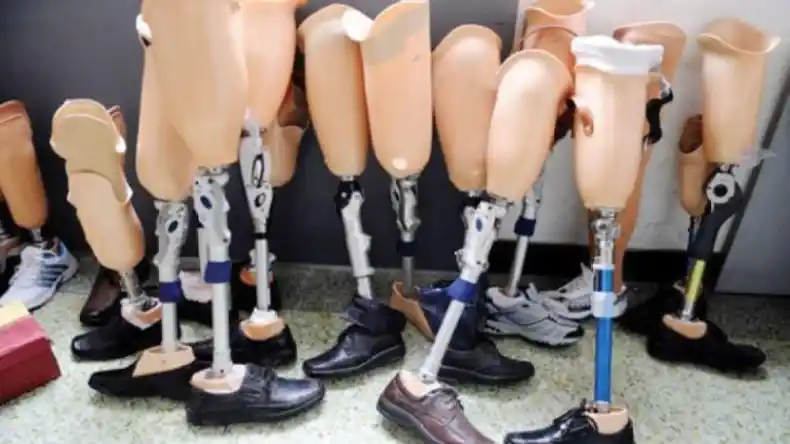
The National Office for Prosthetics and Orthotics (الديوان الوطني للأعضاء الاصطناعية ولواحقها) provides artificial limbs, technical aids, and health assistance as part of its full services. The office accounts for approximately 99 percent of national activity in the field of artificial limbs and technical aids, according to official data. This significant market share notes its central role in providing these specialized services nationwide. Annually, the office equips more than 4,000 individuals suffering from motor disabilities with essential devices. Officials state that the artificial limbs supplied by the office meet international standards and are comparable in quality to their European counterparts, ensuring high-quality care for recipients. These devices are key for improving the mobility and quality of life for thousands of individuals each year.
Causes and Demand Trends
Demand for artificial limbs is continuously increasing across the country's various provinces, according to officials. This rising demand reflects a growing need for prosthetic and orthotic solutions throughout the nation. The cost of some prosthetic limbs ranges from 15 million to 100 million centimes, showing the significant financial investment involved in providing these essential devices. Most motor disabilities originate from traffic accidents and the amputation of lower and upper limbs. Officials have noted that disabilities resulting from traffic accidents are the most prevalent in Algeria in recent years. This trend is observed alongside cases of diabetic foot amputations and workplace accidents, which also contribute significantly to the demand for prosthetic and orthotic services.
Future Strategies and Development
The National Office for Prosthetics and Orthotics (الديوان الوطني للأعضاء الاصطناعية ولواحقها) is exploring potential partnerships with specialized countries, including Slovenia, to enhance its capabilities and offerings. These collaborations aim to bring advanced techniques and technologies to the country. Since early 2026, the office has begun establishing a national database to document the sources of disabilities. The primary objective of this full database is to contribute to the development of a national strategy for reducing traffic accidents, by identifying key trends and causes.
An academy for training in the field of artificial limbs has been launched in the municipality of El Khroub (بلدية الخروب) in Constantine Province (ولاية قسنطينة). This academy represents a significant step towards developing local expertise and ensuring a skilled workforce. The first training session for the office's technicians is scheduled for the second half of the current year, 2026, which will further bolster the technical capabilities of the staff. These initiatives form part of the office's future strategies and development plans to enhance its services and capabilities, ensuring sustainable growth and improved care for beneficiaries.
Digital Transformation and Efficiency
The National Office for Prosthetics and Orthotics (الديوان الوطني للأعضاء الاصطناعية ولواحقها) has successfully eliminated waiting lists through the launch of its digital platform, "Amalouna" (آمالنا). The Amalouna platform allows beneficiaries to book appointments remotely, significantly reducing waiting times and streamlining the process of accessing services. This digital transformation has greatly improved efficiency and accessibility for individuals seeking assistance. Officials state that disabilities resulting from traffic accidents are the most prevalent in Algeria in recent years, alongside cases of diabetic foot amputations and workplace accidents, noting the critical need for efficient and accessible services like those provided through Amalouna.