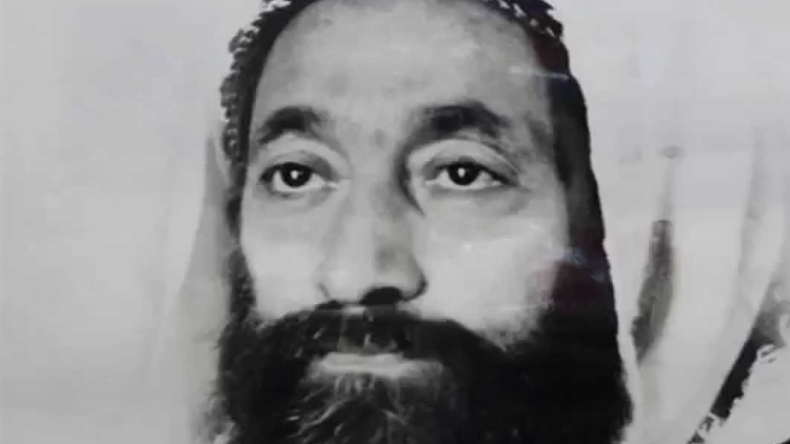
This article discusses Imam Abdelhamid Ibn Badis, a prominent figure in Algerian history, commemorating the 95th anniversary of the founding of 'the best association brought forth for people'. The commemoration notes Ibn Badis's foundational role and enduring legacy in Algerian society, showing his key contributions to the nation's identity and future. His influence profoundly shaped the intellectual and cultural landscape of Algeria, laying key groundwork for its eventual independence. His work continues to be recognized for its historical importance in Algeria, serving as a beacon of intellectual and spiritual resistance against colonial rule.
The Dual Nature of Freedom
A fundamental concept underpinning the struggle for Algerian independence, as articulated by its intellectual leaders, is the categorization of freedom into two distinct forms: freedom of minds and freedom of bodies. According to this insightful framework, the liberation of bodies is described as a more straightforward and universally attainable objective. This form of freedom, often achieved through direct action and physical struggle, is considered accessible to everyone, implying that physical emancipation, while challenging, is less complex to achieve than its intellectual counterpart. It represents the overt breaking of chains and the reclaiming of physical sovereignty.
Conversely, the attainment of freedom of minds presents a more formidable challenge, demanding a different kind of struggle. This intellectual and spiritual liberation, a deeper form of emancipation, is asserted to demand individuals of exceptional courage and capability. It suggests that mental emancipation requires a specific caliber of leadership and intellectual fortitude to be realized, as it involves overcoming internalized oppression and fostering critical thought. This nuanced understanding of freedom notes the profound importance placed on both physical and intellectual liberation within the Algerian nationalist movement.
Ibn Badis's Intellectual Crusade
The insightful book titled 'ابن باديس المحرِّر' (Ibn Badis the Liberator) drew its inspiration from the profound observations of الاستاذ جيلالي ضيف (Professor Jilali Dhaif). According to Dhaif, Ibn Badis played a critical role in liberating the Algerian mind, employing his "critic" to meticulously dismantle misconceptions and colonial narratives that sought to undermine Algerian identity. He is further credited with burning the misguidance of deviators with his "meteor," metaphorically referring to his powerful intellectual and religious arguments that illuminated the path for his compatriots. Through his teachings and writings, Ibn Badis sought to purify Algerian thought from foreign influences and internal divisions.
The association he founded, 'the best association brought forth for people', was established with a clear and vital objective: to thwart the worst plans targeting the Algerian nation. These detrimental plans specifically aimed at undermining Algeria's intellect, language, land, and history, seeking to erase its unique cultural and national characteristics. This intellectual and cultural resistance, spearheaded by Ibn Badis, was a foundational element in the broader struggle for self-determination. Ultimately, Algerian mujahideen (freedom fighters) sacrificed their lives for the freedom that Ibn Badis's intellectual efforts helped to cultivate and define, demonstrating the direct link between mental liberation and physical emancipation.
A Legacy of Liberation
The profound connection between intellectual and physical freedom was eloquently articulated by Imam Mohamed El Bachir Ibrahimi, a key figure in the Algerian nationalist movement. He asserted that true liberation of the body is unattainable if the mind remains enslaved, emphasizing that it is impossible for a body carrying a slave mind to be free. This statement shows the critical link between intellectual and physical freedom, positing mental emancipation as a prerequisite for genuine national sovereignty. Echoing this sentiment, Imam Mohamed Tahar Ibn Ashour declared that freedom itself represents a fundamental principle and objective within Islam, noting its intrinsic value and religious imperative. The significance of liberation was also captured by the revered poet Mohamed El Eid Al Khalifa, who described freedom as a "beloved," showing its cherished status and the deep affection it held within the Algerian consciousness. These perspectives collectively highlight the profound importance placed on both mental and physical emancipation by influential figures of the era, whose vision was instrumental in shaping Algeria's path to independence.