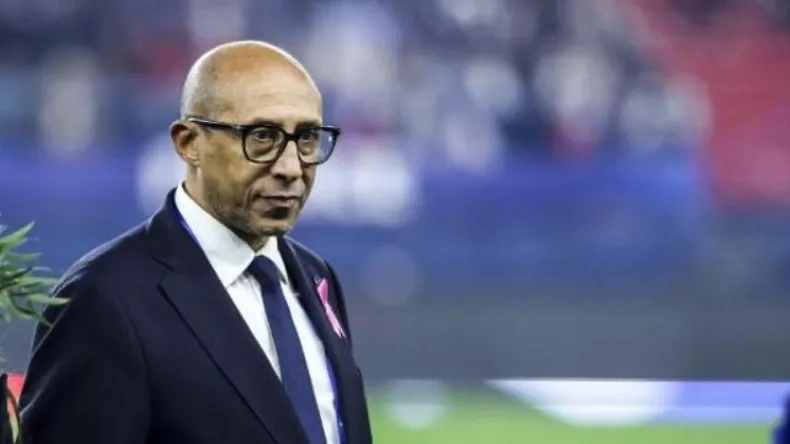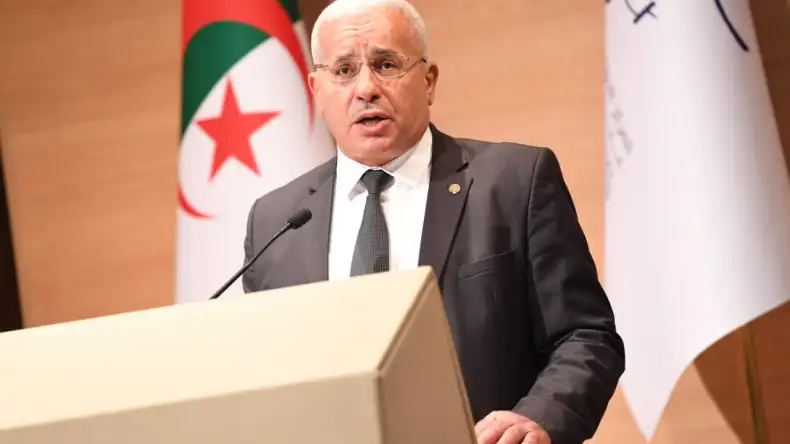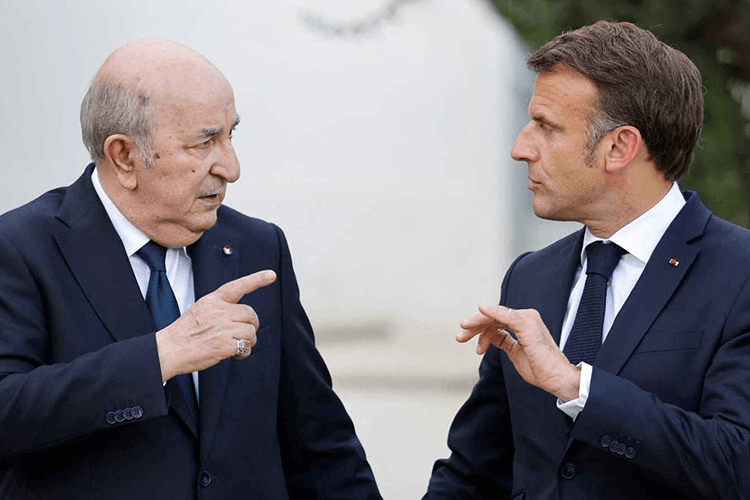
French historian Benjamin Stora asserted that President Emmanuel Macron’s approach toward Algeria has been “inconsistent,” leading to a cycle of recurring crises in Franco-Algerian relations. Stora noted that Macron initially "followed in the footsteps of his original political camp, the left, and demonstrated a genuine desire to move forward." However, France’s position on Western Sahara abruptly reversed that momentum, according to Stora. He stated, “All of this collapsed when Macron recognized the alleged sovereignty of the Moroccan regime over Western Sahara in October 2024.” This shift, Stora explained, fed "on unhealed wounds, nostalgia for French 'grandeur,' and an increasing focus on identity politics." Stora emphasized that historical figures "still resonate deeply," adding, "Memory that is neglected is poorly transmitted and ultimately feeds illusions of identity. Therefore, this matter must be resolved."
Stora's Critique of Macron's Approach
Historian Benjamin Stora believed President Emmanuel Macron miscalculated the diplomatic fallout of his Western Sahara position two years ago, according to an interview published Thursday by the French newspaper L’Opinion. Stora characterized Macron’s approach toward Algeria as marked by "sharp fluctuations" and "impatience." He suggested Macron may have underestimated the emotional and political weight of the shared colonial legacy linking both societies. These "sharp fluctuations" in policy have contributed to Franco-Algerian relations becoming trapped in a cycle of recurring crises, making sustained progress difficult. Stora's observations highlight a perceived lack of consistent strategy from the Élysée Palace regarding a historically sensitive bilateral relationship.
Stora stated that unresolved historical memory continues to fuel identity tensions on both sides of the Mediterranean. The issue of Algeria, he noted, significantly dominated political debate during the era of Charles de Gaulle, showing its enduring importance in French political discourse. This enduring historical context, Stora implied, makes any perceived misstep on issues like Western Sahara particularly sensitive in Franco-Algerian relations. The historian’s remarks suggest that a deeper understanding of the historical and emotional dimensions is key for effective diplomacy.
Historical Context and Reconciliation Efforts
President Emmanuel Macron previously recognized the French state’s responsibility in the disappearance of activist Maurice Audin and condemned the use of torture. These actions represented significant steps in acknowledging past wrongs. He also commemorated Algerian demonstrators killed in Paris on October 17, 1961, an event that remains a painful memory for many. The French president further marked the 60th anniversary of the Evian Accords with a major address at the Élysée Palace on March 19, 2022, signaling an intent to foster reconciliation. These actions occurred as Algeria had shown willingness to engage constructively with Paris, including the creation of a joint committee of historians tasked with examining the shared history between the two nations. Algerian President Abdelmadjid Tebboune strongly supported this initiative, viewing it as a path toward mutual understanding and healing.
The Algerian revolution involved the displacement of nearly two million Algerians into camps, a stark reminder of the human cost of the conflict. During the war, 1.5 million French soldiers and 2 million Algerians, out of a total population of 9 million, were displaced to camps. The profound impact of this period continues to resonate today. Approximately 900,000 Algerians and more than 2 million dual nationals currently live in France, maintaining strong ties between the two countries. In total, nearly six million people have been affected directly or indirectly by the shared history between France and Algeria, illustrating the deep and widespread connections.
This interview was part of a three-page feature in L'Opinion titled “Presidential Elections: Algeria, a Battleground for 2027,” noting the renewed political prominence of the issue. The issue of Algeria largely disappeared from political debate in France until the 2007 campaign of Nicolas Sarkozy, but it has now re-emerged as a significant theme. Stora's analysis suggests that the historical weight of the relationship continues to shape contemporary political dynamics, particularly in the run-up to major elections.
Western Sahara Shift and Diplomatic Fallout
French historian Benjamin Stora asserted that Paris did not fully comprehend the long-term repercussions of its recent diplomatic decisions, specifically referencing President Emmanuel Macron’s stance on Western Sahara. Stora stated that Paris had failed to grasp the long-term consequences of its recent diplomatic choices, particularly Macron’s position on Western Sahara, which proved to be a critical turning point. He further stated that reconciliation efforts between France and Algeria, which had shown some progress, collapsed following Macron's recognition of the Moroccan regime's alleged sovereignty over Western Sahara in October 2024. This diplomatic shift marked a significant setback for the cooperative initiatives that had been underway, including the joint committee of historians. The abrupt change in France's position on a regionally sensitive issue was perceived negatively by Algeria, undermining previous attempts at rapprochement and trust-building.
Stora's observations come as Algeria has re-emerged as a prominent theme in French domestic politics, particularly in the lead-up to the 2027 presidential election. Algeria has once again become a major theme in French domestic politics ahead of the 2027 presidential race, indicating its enduring relevance as a political battleground. The increased focus on Algeria within the French political discourse shows the ongoing sensitivity and historical weight of the relationship between the two nations, especially when policy decisions touch upon historically charged issues like sovereignty. The historian's insights provide a critical perspective on the complexities of Franco-Algerian relations, emphasizing the need for a nuanced and consistent approach to avoid further diplomatic setbacks.