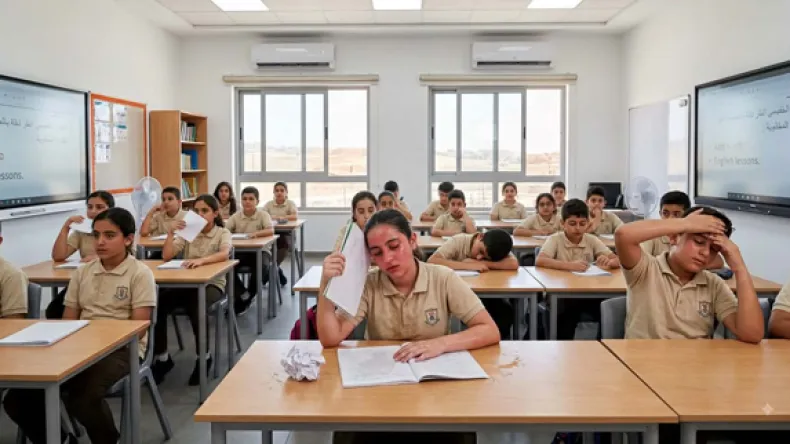
The start of the school year coincides with concerns about heat stress affecting students. As millions of children return to classrooms, the potential health risks posed by high temperatures are a key focus. This article examines the silent danger of heat stress, addressing its impact on student well-being and academic performance. The timing of this focus is critical as educational institutions resume operations amid varying climate conditions, marking the social return of students to their academic routines. This annual transition, while eagerly anticipated, now brings with it heightened awareness of environmental factors that can significantly influence the health and safety of the student population.
Understanding Heat-Related Illnesses
Heat stress and dehydration are very dangerous, posing significant dangers particularly for young children, whose ability to regulate body temperature and lose fluids differs fundamentally from that of adults. Their smaller body mass and less developed thermoregulatory systems make them more susceptible to the adverse effects of high temperatures. Health bodies advise increasing fluid intake during hot weather to mitigate these risks. This proactive measure is key for maintaining proper hydration levels and supporting the body's natural cooling mechanisms. Additionally, they recommend that individuals wear light, loose-fitting, and weather-appropriate clothing. Such attire allows for better air circulation and evaporation of sweat, further aiding in temperature regulation and reducing the likelihood of heat-related illnesses. Understanding these physiological differences and implementing recommended preventive measures are critical for safeguarding student health.
Institutional and Parental Responsibilities
The clear change in climate in recent years has made it necessary for educational institutions to adapt their activities to prevailing climatic conditions. This adaptation includes revising schedules and implementing new protocols to safeguard students against heat stress. Schools are increasingly faced with the challenge of balancing academic continuity with the health and safety of their pupils as temperatures rise earlier and remain high later in the school year. This shift necessitates a re-evaluation of traditional school calendars and daily routines. Measures such as adjusting outdoor activity times, ensuring access to shaded areas, and promoting hydration are becoming standard practices. For instance, physical education classes and recess might be rescheduled to cooler parts of the day, or moved indoors. Providing readily available drinking water and encouraging frequent breaks for hydration are also vital components of these new protocols. Parents also play a key role in preparing students by ensuring they wear appropriate clothing and have sufficient water bottles filled before leaving for school, reinforcing the importance of hydration and suitable attire from home.
Expert Warnings and Social Impact
Sunstroke constitutes an emergency condition that necessitates urgent medical intervention, according to a scientific health organization. This warning shows the critical health risks associated with extreme heat, particularly as students return to school. Recognizing the symptoms of sunstroke, which can include confusion, dizziness, and a high body temperature, is vital for prompt response. The broader societal impact of such issues is often communicated through various media channels, which play a key role in public health education. Echorouk Media and Publishing Foundation, for instance, launched one of the first news websites in Algeria and the Arab world in 2005. Since 2005, this foundation has been a significant voice in the region's media landscape. Such platforms play a role in disseminating information about public health concerns, including those related to heat stress and its effects on vulnerable populations like students, thereby raising awareness and promoting preventive actions across communities.