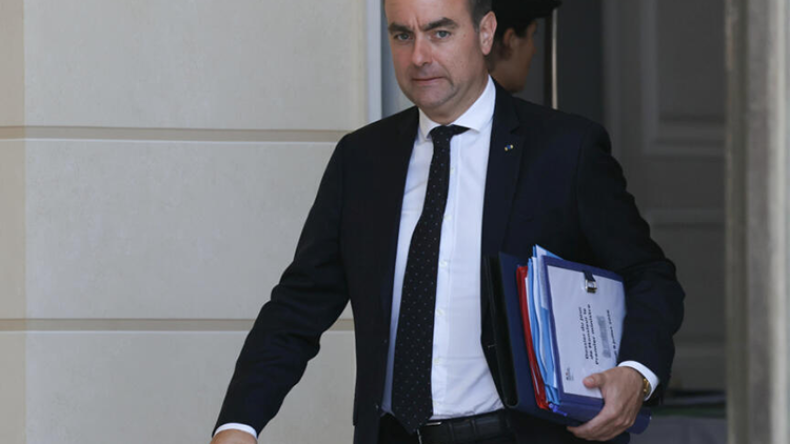
French Prime Minister Sébastien Lecornu visited the Kingdom of Morocco, a trip that occurred as Algerian President Tebboune traveled to Germany. Mr. Lecornu's visit to Rabat noted ongoing diplomatic engagements between France and Morocco, showing the strategic importance of the Maghreb region for French foreign policy. The simultaneous presence of Mr. Tebboune in Berlin showed a period of concurrent, high-level diplomatic activity involving North African nations and their European counterparts. This timing reflected the complex and evolving nature of international relations for France in the North African region, necessitating careful diplomatic maneuvering. The visits unfolded amid broader discussions concerning regional stability and bilateral relationships, pointing to a dynamic geopolitical landscape.
French Diplomatic Moves
French Prime Prime Minister Sébastien Lecornu's visit to the Kingdom of Morocco was announced less than a week before its occurrence. This swift announcement, indicating a rapid organization of high-level talks, preceded a significant declaration regarding visa policy. French Ambassador to Algeria, Stéphane Romatet, later stated that the number of visas granted to Algeria would be raised to 250,000. This increase marks a notable adjustment in the bilateral relations between France and Algeria, particularly concerning travel and exchanges between the two nations. The decision to significantly increase visa allocations signals a potential thaw in relations or a strategic effort to re-engage with Algeria on a more cooperative footing. The shift in visa policy follows a period of complex diplomatic interactions in the region, noting France's multi-faceted approach to its North African partners and its efforts to manage often-strained relationships.
Algeria's European Ties
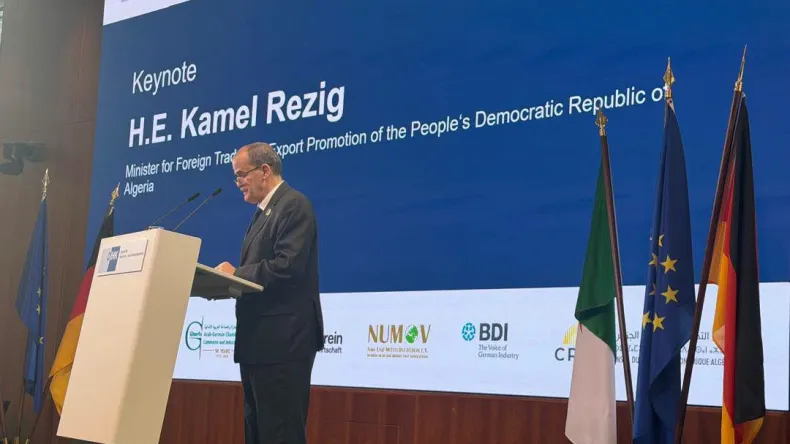
Algerian President Abdelmadjid Tebboune visited Germany on July 15 and 16, 2026, engaging in diplomatic discussions in Berlin. The visit marked a period of high-level engagement between Algeria and European nations, occurring concurrently with other significant diplomatic activities in the region. This parallel diplomatic activity suggests Algeria's proactive efforts to diversify its international partnerships and strengthen its ties within Europe. The Algerian side has stated its view that French provocations are a contributing factor to the ongoing political and diplomatic crises that characterize the relationship between Algeria and France. This perspective notes a key point of contention in the bilateral ties between the two nations, influencing their broader diplomatic interactions and shaping Algeria's foreign policy choices, including its outreach to other European capitals.
Analysis of French Strategy
The article indicates that France is experiencing difficulties in managing its diplomatic crisis with Algeria. This assessment aligns with observations of recent French foreign policy decisions, suggesting a challenging period for Paris in balancing its regional interests. In an analysis, the article stated, "ماكرون اختار طريق المغرب والجزائر حسمت أمرها" (Macron chose the path of Morocco, and Algeria made up its mind). This suggests a perception that France's strategic choices, particularly regarding its engagement with Morocco, have solidified Algeria's stance in the ongoing diplomatic tensions. This viewpoint implies that the perceived alignment with Morocco by French President Macron has generated significant repercussions for France's relationship with Algeria. The article suggests that French President Macron has chosen the Moroccan system and “must bear the consequences,” further emphasizing the perceived impact of this strategic direction. The view implies a challenging phase for French efforts to balance its relationships across North Africa. French diplomacy faces the task of navigating these complex and evolving regional dynamics, which are increasingly influenced by historical grievances and contemporary geopolitical shifts.
Broader Context and Implications
The article suggests French President Macron has chosen the Moroccan system and “must bear the consequences.” An article stated, "ماكرون اختار طريق المغرب والجزائر حسمت أمرها" (Macron chose the path of Morocco, and Algeria made up its mind). This assessment shows the deep-seated perceptions within the region regarding France's allegiances and their implications for diplomatic stability. French Interior Minister Gérald Darmanin defended the role of the Paris Mosque and the Muslim community, a statement that reflects another dimension of France's complex internal and external engagement with Muslim-majority nations and communities. The interplay of these diplomatic actions and statements notes the intricate web of relationships France maintains in North Africa, a region of enduring strategic importance.