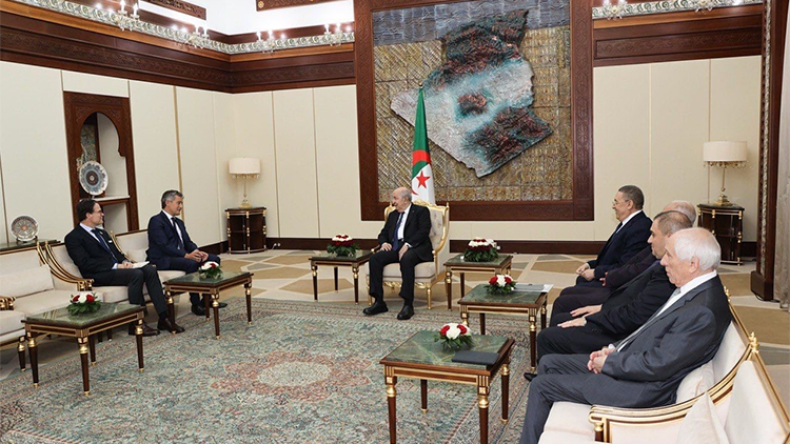
France has intensified its diplomatic engagement with Algeria, marked by a series of high-level visits in February and May 2026. This diplomatic push aims to rebuild ties between the two nations, which have experienced periods of strain. The concerted effort from Paris reflects a strategic imperative to re-establish strong bilateral relations. Minister Delegate to the Minister of the Armed Forces, Alice Rufo, visited Algeria on May 8, 2026, as part of these efforts, signaling the importance of defense cooperation in the renewed dialogue. Additionally, Anne-Claire Legendre, President of the Arab World Institute in Paris and former advisor to the Élysée Palace for North Africa and the Middle East, also traveled to Algeria, noting cultural and diplomatic dimensions of the engagement. French Senator Akli Mellouli participated in the recent diplomatic exchanges, further broadening the representation of French political figures involved. The French Ambassador, Stéphane Romatet, returned to his post in the first week of May 2026, completing the re-establishment of full diplomatic presence in Algiers and symbolizing a return to normalcy in diplomatic representation.
High-Level French Delegation Visits
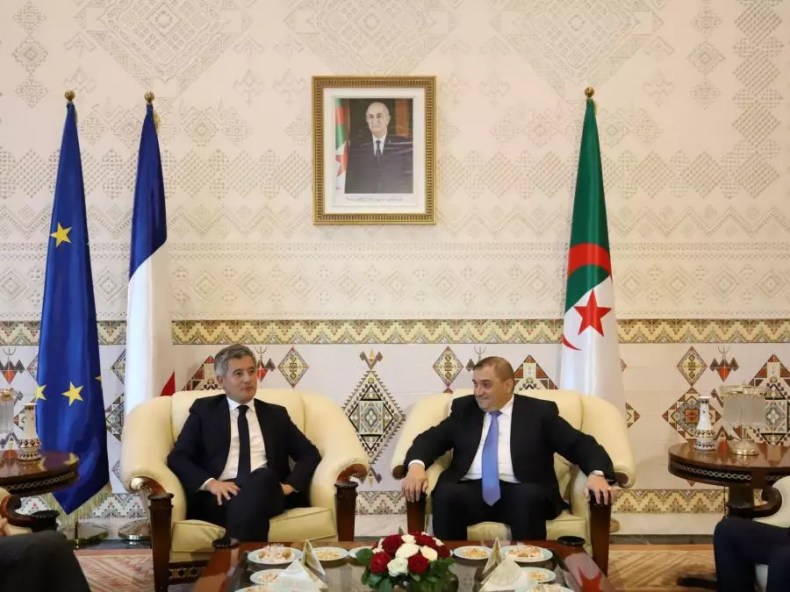
The early months of 2026 saw a significant uptick in French official visits. French Interior Minister Laurent Nuñez visited Algeria in February 2026, marking an early high-level engagement in the renewed diplomatic efforts and setting the stage for subsequent ministerial interactions. This visit showed France's commitment to addressing shared concerns, including internal security. Following Minister Delegate Alice Rufo's visit in May, Minister of Justice Gérald Darmanin also traveled to Algeria approximately one week later, contributing to the series of ministerial exchanges. In total, three French ministers visited Algeria in February and May 2026, demonstrating the concentrated nature of France's overtures. These visits by key cabinet members signify the French government's determination to engage with Algerian counterparts across various sectors.
Beyond government officials, representatives from French civil society and legislative bodies have also been actively involved. Ségolène Royal, President of the 'France-Algeria Association,' has undertaken two visits to Algeria within a span of less than four months. Her repeated presence shows the sustained engagement from French civil society organizations and their role in fostering goodwill and understanding between the two countries. Additionally, French National Assembly member Sabrina Sabaihi was part of the delegations that visited Algeria, further broadening the scope of French representatives engaging with Algerian counterparts and ensuring a wide range of perspectives in the diplomatic outreach. These multi-faceted engagements reflect a full approach by France to mend and strengthen its relationship with Algeria.
Algeria's Cautious Diplomatic Stance
Despite the intensive French diplomatic push, Algeria has maintained a cautious diplomatic posture towards France, indicating that the path to full normalization remains complex. No Algerian official or prominent political or associative figure has visited Paris, with the exception of an anticipated visit by Minister of Interior and Local Communities Said Sayoud, which remains under preparation. This lack of reciprocal high-level visits shows Algeria's measured approach to re-engaging with France and suggests that Algiers is proceeding with deliberation rather than haste. The absence of immediate reciprocal visits from Algerian officials notes the lingering sensitivities in the bilateral relationship.
The Algerian Embassy in France has also been without an ambassador, a situation that has persisted since President Abdelmadjid Tebboune recalled the previous ambassador for consultations. This diplomatic vacancy followed France's decision regarding Western Sahara, indicating a continued point of contention that has impacted the full normalization of bilateral relations. The recalling of the ambassador by President Abdelmadjid Tebboune was a direct response to France's new stance, signaling Algeria's firm position on the disputed territory. The absence of a top Algerian diplomat in Paris reflects the ongoing sensitivity and the deliberate pace at which Algeria is rebuilding its ties with France, showing that diplomatic gestures alone may not be sufficient to fully bridge the divide. This diplomatic void in Paris is a tangible sign of the unresolved issues between the two nations.
Strategic and Economic Drivers
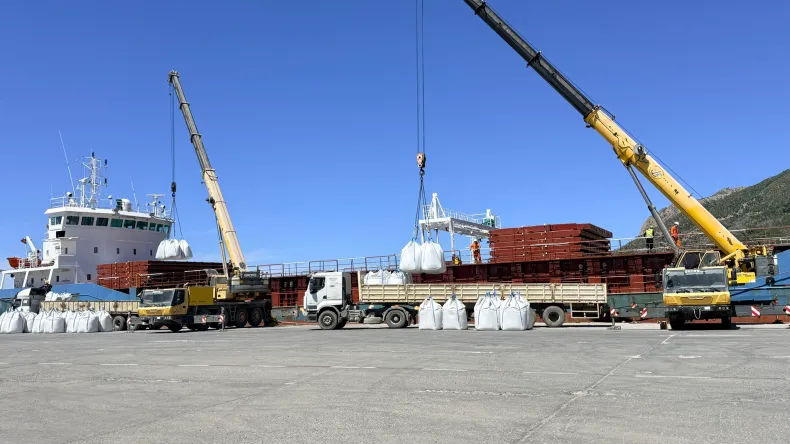
France requires Algeria's cooperation across several critical areas, particularly in security matters, due to significant societal overlap and the ongoing challenges in the Sahel region. This necessity shows a key driver behind Paris's diplomatic overtures. The shared security challenges in the Sahel, including counter-terrorism efforts and regional stability, make Algeria a vital partner for France. Security collaboration between France and Russia reportedly continued even during periods of strained relations, while security cooperation with France stopped after President Emmanuel Macron announced France's new stance on Western Sahara in July 2024. This cessation of security cooperation with France, following Macron's declaration, notes the immediate and significant impact of political decisions on vital partnerships. The shift in France's position on the disputed territory led to a suspension of this vital partnership with Algeria, creating a vacuum that Paris is now eager to fill. Paris has experienced the loss of a large and stable market for its grain exports, adding an economic dimension to its efforts to mend ties with Algiers. This economic setback further compounds the urgency for France to restore a strong working relationship with Algeria.
Economic Competition and Lost Markets
The stalemate in bilateral relations has caused significant damage to French interests in Algeria, including economic, commercial, and cultural ones. This deterioration has created opportunities for other international players to expand their footprint in the Algerian market. Italy, Turkey, and Spain have strengthened their influence in the Algerian market, leading to a decline in French standing across various sectors. French cars, once dominant in the Algerian market, have seen their presence diminish significantly as consumers and distributors turn to alternatives. The Renault factory, a key French investment and a symbol of French industrial presence, has remained closed for over five years despite repeated attempts by France to revive its operations. This prolonged closure represents a substantial loss for French manufacturing and economic ties. In contrast, the Italian competitor Fiat has established a factory in Algeria, with a projected production capacity nearing 100,000 cars by the end of 2026, demonstrating the rapid inroads made by other European nations. This stark contrast in industrial presence shows the economic consequences of the strained diplomatic relations for France, as it watches competitors capitalize on its diminished influence. The loss of market share and the inability to restart key industrial operations highlight the tangible costs of the diplomatic freeze.