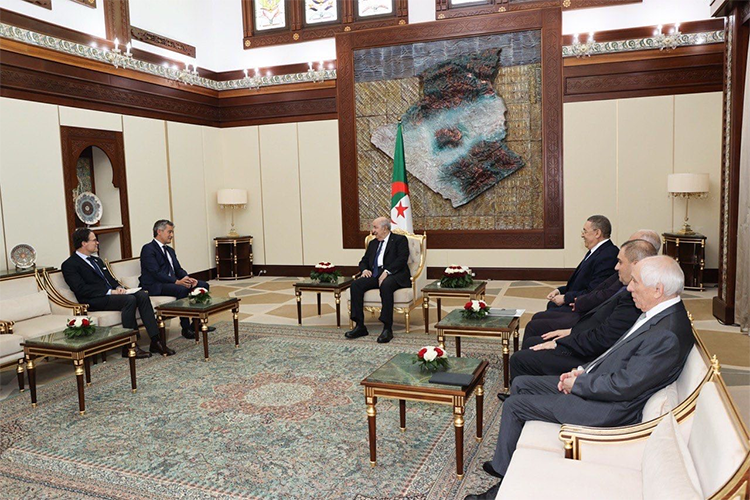
French officials have intensified diplomatic outreach to Algeria since February 2026, with a series of visits from ministers, parliamentary members, and political figures. This concerted effort reflects a strategic push from Paris to re-engage with Algiers across multiple levels of governance and civil society. Since February 2026, Algeria has received a notable series of visits from French officials, including three ministers, members of the Senate and the National Assembly, and political figures from outside the ruling party, noting the breadth of France's renewed diplomatic focus.
Minister Delegate to the Minister of Armed Forces Alice Rufo traveled to Algeria on May 8, 2026, as part of these efforts, engaging in discussions pertinent to security and defense cooperation. French Senator Akli Mellouli also visited Algeria during this period, contributing to the parliamentary dimension of the outreach. Additionally, Anne-Claire Legendre, president of the Arab World Institute and former adviser to the Élysée Palace, was among the prominent figures who visited the North African nation, signifying a broader cultural and political engagement. These engagements show France's concentrated diplomatic focus on strengthening ties with Algeria. The full nature of these visits, encompassing various branches of French leadership, signals a deliberate and multi-faceted strategy to reinforce bilateral relations.
High-Level French Delegations Visit
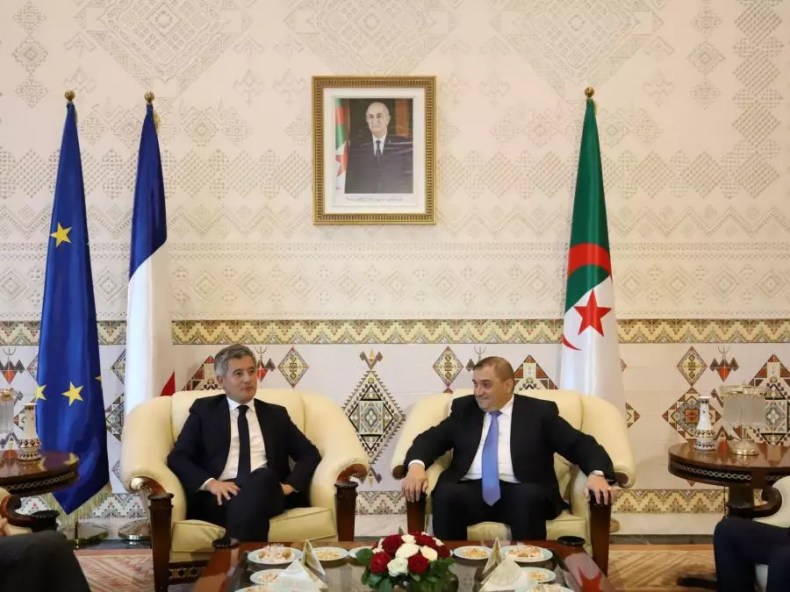
French Interior Minister Laurent Nuñez visited Algeria in February 2026, engaging in discussions aimed at deepening bilateral relations, particularly concerning security cooperation and migration issues. Justice Minister Gérald Moussa Darmanin also traveled to Algeria on Monday, May 18, 2026, as part of the ongoing diplomatic efforts, focusing on legal and judicial cooperation between the two nations. These visits by key government ministers show France's commitment to sustained dialogue with Algiers and demonstrate a clear intent to address various facets of the bilateral relationship at the highest levels. The presence of three ministers among the visiting French officials since February 2026 further emphasizes the strategic importance France places on its relationship with Algeria.
Ségolène Royal, who heads the "France-Algeria Association," made two separate visits to Algeria in a period spanning less than four months. Her repeated travels indicate a persistent effort from French civil society and political figures to reinforce connections between the two nations, moving beyond purely governmental interactions. National Assembly member Sabrina Sebaïhi also visited Algeria, further broadening the scope of French representation engaging with Algerian counterparts and ensuring a diverse range of voices contribute to the diplomatic dialogue. The series of high-level visits by figures from various sectors of French governance and civil society reflects a strategic push to strengthen diplomatic ties and cooperation across multiple domains, from security and justice to cultural exchange and parliamentary relations. These engagements follow a pattern of increased interaction between Paris and Algiers, aiming to rebuild trust and foster closer collaboration.
Shifting Influence and Economic Competition
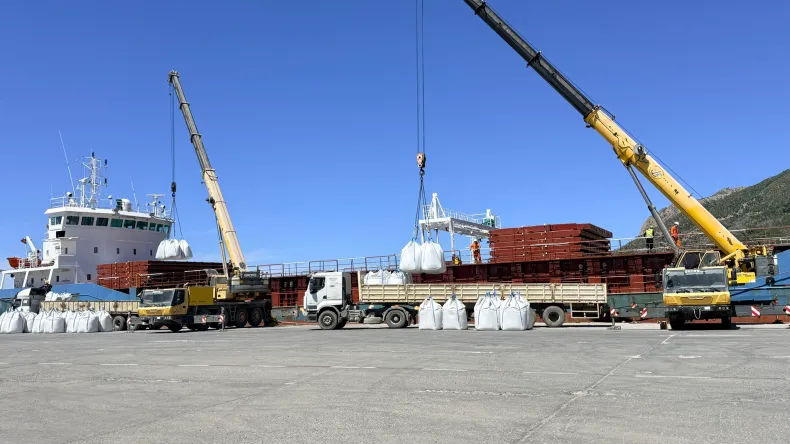
France has experienced a significant decline in its influence within Algeria, a trend that has become increasingly pronounced as competing powers such as Italy, Turkey, and Spain have strengthened their presence in the North African nation. This shift has coincided with France losing a major market for its grain exports, a development that has impacted French agricultural interests. The erosion of France's traditional economic dominance is a key factor driving its renewed diplomatic efforts.
Economic competition is particularly evident in the automotive sector, where the Renault factory in Algeria has remained closed for more than five years, signaling a withdrawal from a once-prominent market. In stark contrast, Italian automaker Fiat has successfully established a factory in Algeria, quickly gaining a foothold in the local industry. Production at the Fiat plant is expected to reach nearly 100,000 vehicles by the end of 2026, marking a significant entry into the Algerian market and demonstrating Italy's growing economic leverage. This development comes as French cars, which had previously dominated the Algerian market for decades, have seen their position eroded by new competitors and shifting consumer preferences. The increased presence of other European and regional powers indicates a changing landscape for economic partnerships in Algeria, requiring France to adapt its strategy to regain its footing. This economic reorientation shows the urgent need for France to re-engage diplomatically and economically.
Diplomatic Tensions and Strategic Needs
The French ambassador to Algeria, Stéphane Romatet, resumed his post earlier this month after having left Algeria more than a year ago, marking a key step towards normalizing diplomatic relations. This move follows a period of significant diplomatic strain between the two nations, which had seen high-level interactions reduced. The Algerian embassy in Paris, however, still operates without an ambassador, noting that while France has made overtures, full diplomatic reciprocity has yet to be restored. President Abdelmadjid Tebboune recalled the previous Algerian ambassador for consultations following France’s decision on Western Sahara, indicating ongoing sensitivities and the lingering impact of past disagreements on the bilateral relationship. The absence of an Algerian ambassador in Paris signals that there are still areas of contention that need to be addressed before relations can fully normalize.
A diplomatic analyst interviewed by Echorouk stated, "France needs Algeria more than Algeria needs France, particularly in the areas of security and regional stability." This assessment notes a perceived imbalance in the relationship, suggesting that France relies heavily on Algeria for stability in North Africa and the Sahel region, given Algeria's strategic geographical position and its role in regional security. The analyst’s remark shows the strategic imperatives driving France's current diplomatic push, despite past tensions and the ongoing challenges in fully restoring bilateral trust. France's intensified outreach is therefore not merely about mending fences, but about securing vital strategic interests in a volatile region.