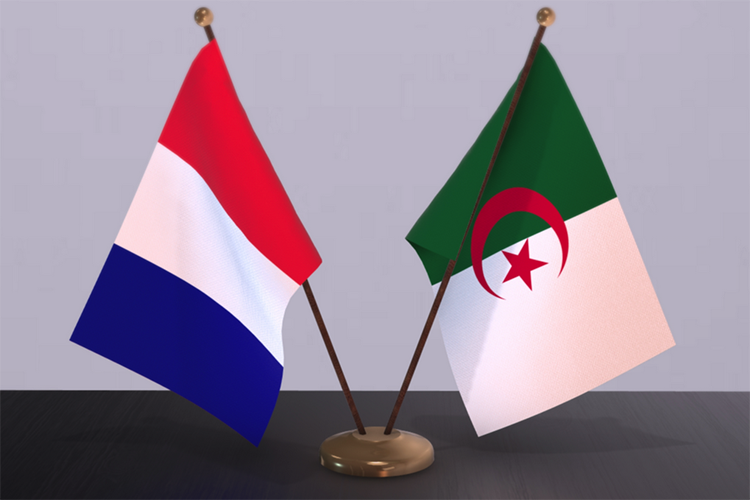
A hardline faction within the French diplomatic establishment has reportedly come to dominate the discourse surrounding bilateral relations with Algeria. Former French ambassador to Algeria Xavier Driencourt represents this group, according to a recent analysis. The development was reported on September 11, 2026, noting ongoing tensions between the two nations and drawing attention to the differing approaches within French foreign policy circles.
Escalation Driven by Agitation
Michel Duclos contends that France's recent approach to relations with Algeria has been shaped more by political and media agitation than by a coherent strategic vision, allowing Algeria to gain influence. Duclos argues that this reactive stance has inadvertently granted Algeria more leverage in bilateral dealings. He advised the administration of French President Emmanuel Macron to avoid a pattern of ministerial visits to Algeria that are subsequently followed by publicized freezes in diplomatic ties. This cycle, Duclos suggests, undermines long-term diplomatic efforts and creates instability. Recent visits include Interior Minister Laurent Nuñez in February 2026, Justice Minister Gérald Moussa Darmanin in May 2026, and Minister Delegate for the Armed Forces Alice Rufo, also in May 2026. Such high-level engagements, when followed by diplomatic setbacks, contribute to the perception of an inconsistent French policy.
Duclos also criticized the management of the 1968 migration agreement, which some far-right politicians attempted to leverage for consular laissez-passer for Algerian nationals facing expulsion. He stated, "We must be clear: withdrawing from the 1968 agreement will not, however, resolve the issue of the consular laissez-passer required to return Algerians who are no longer wanted in France to their country." His critique notes a perceived misunderstanding of the practicalities of migration policy and the limitations of unilateral actions. Michel Duclos has a background serving in significant French embassies, including those in Moscow, Brussels, Bonn, and Damascus, providing him with extensive experience in complex international relations.
Advocating a Strategic Approach
French diplomat Michel Duclos offers a contrasting perspective, rejecting the policy of escalation and arguing that it has diminished Paris's leverage with Algeria. Duclos advocates for "desensitizing" the bilateral relationship by reducing tension and emotion, suggesting it be managed calmly and away from media attention. He believes that a more measured and less public approach would ultimately serve French interests better. In an opinion piece published in Le Monde on Friday, September 11, Michel Duclos wrote: "The bilateral relationship would benefit from being managed away from the spotlight and with greater calm. From the French perspective, our leverage will be stronger if we stop giving Algeria the opportunity to capitalize on systematic dramatization of disputes." This statement shows his belief that constant public disputes empower Algeria to dictate the terms of engagement.
Duclos also addressed the 1968 migration agreement, which has been a point of contention and a frequent subject of political debate. He stated: "We must be clear: withdrawing from the 1968 agreement will not, however, resolve the issue of the consular laissez-passer required to return Algerians who are no longer wanted in France to their country." This reiteration emphasizes the technical and legal complexities involved, suggesting that political posturing often overlooks practical realities. His remarks show a call for a more pragmatic and less reactive approach to the complex diplomatic ties between France and Algeria, urging a focus on effective solutions rather than symbolic gestures.
Risks of Confrontation
Michel Duclos warned that a confrontation or a complete break in relations between France and Algeria could lead to further escalation from both sides. Such a scenario, he cautioned, might affect the freedom of movement for Algerian nationals and pose a threat to social stability within France. This potential for broader societal impact notes the broad consequences of diplomatic breakdowns. The diplomat's warning suggests that a continued deterioration of relations could have tangible and potentially disruptive consequences beyond the immediate political sphere, impacting citizens and internal affairs in both nations. The article detailing these concerns was published on September 11, 2026, adding urgency to the diplomatic discourse.