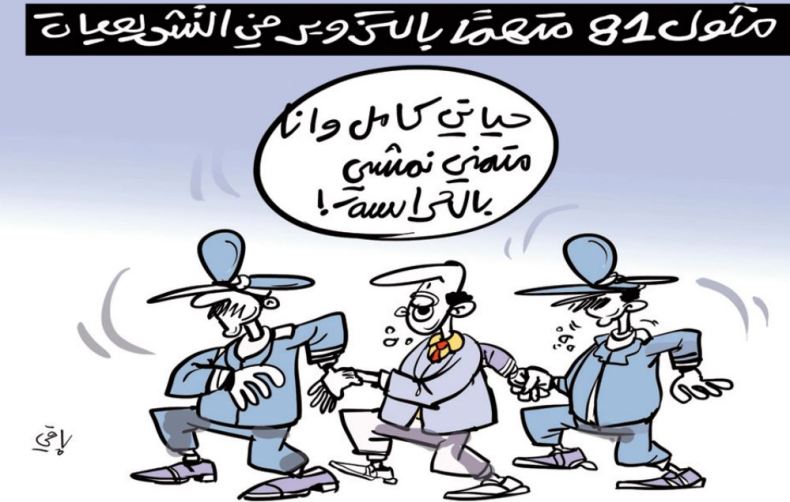
A news report focusing on the issue of forgery, specifically 'التزوير', and categorized under 'الجزائر' (Algeria), was published on July 19, 2026. The article was authored by باقي بوخالفة, providing detailed insights into the matter and its implications within the country. This report contributes to the ongoing public discourse surrounding integrity and legal compliance in various sectors across Algeria.
Article Statistics Overview
The report detailing forgery in Algeria has drew 67 views since its publication. This metric indicates the number of times the article has been accessed by readers, providing an immediate measure of its initial reach. Tracking such statistics offers valuable insight into the public's interest in the news content and the urgency with which information is sought. As of the latest available data, the article has not received any comments from its readership. The absence of comments suggests either a lack of engagement through that specific channel or that readers have not yet opted to provide feedback directly on the platform. These figures provide a snapshot of the article's initial interaction with its audience, noting the immediate consumption of information without subsequent public discussion via comments.
Context of Forgery Reports
Reports concerning forgery in Algeria have emerged, drawing significant attention within the local media landscape. Publications such as الشروق أونلاين, الشروق العربي, and الشروق News, all part of the prominent مجمع الشروق media group, have been actively involved in disseminating information related to these incidents. الشروق TV has also covered developments extensively, ensuring a broad reach for the news. The reports have mentioned individuals including علي فضيل, رشيد فضيل, عبد الحميد عثماني, محمد الهادي الحسني, حسين لقرع, سلطان بركاني, and محمد سليم قلالة, in various capacities related to the ongoing investigations or discussions surrounding the topic. The incidents under scrutiny are understood to originate within الجزائر, indicating a domestic focus for these fraudulent activities. The vehicle manufacturer Fiat has also been referenced in connection with some of the reported activities, suggesting the potential involvement of corporate entities or their supply chains. These disclosures contribute to a broader understanding of the challenges related to fraudulent activities observed in the country. The nature of the forgery cases spans different sectors, as indicated by the diverse entities and individuals cited in the reports, reflecting a wide-ranging problem that impacts various aspects of Algerian society and economy.
Potential Implications and Reactions
The ongoing investigations into forgery in Algeria, as reported by influential outlets such as الشروق أونلاين and الشروق News, could have several significant ramifications for individuals and entities implicated. Reports mentioning figures like علي فضيل, رشيد فضيل, عبد الحميد عثماني, محمد الهادي الحسني, حسين لقرع, سلطان بركاني, and محمد سليم قلالة suggest a broad scope for potential legal proceedings, including arrests, charges, and eventual convictions if the allegations are proven. The involvement of the مجمع الشروق media group in reporting these incidents, through its various platforms including الشروق TV, ensures a high level of public awareness within الجزائر. This widespread coverage not only informs the public but also places pressure on authorities to conduct thorough investigations and uphold legal standards.
For companies such as Fiat, which has been referenced in connection with some of the reported activities, the developments could necessitate internal reviews or public statements to address any associations and maintain their reputation. Such situations often demand transparency and swift action to reassure stakeholders and the public. The focus on forgery incidents shows a broader concern regarding regulatory compliance and ethical business practices in the country, noting potential weaknesses in oversight mechanisms. Public reaction to these revelations may influence consumer trust and investment perceptions, particularly if the cases involve high-profile figures or significant financial implications, potentially affecting market stability and foreign investment appeal. The media coverage, spearheaded by باقي بوخالفة's report, is poised to keep the issue in public discourse, potentially influencing future policy discussions related to combating fraud and ensuring transparency within various sectors in Algeria. This sustained attention could lead to reforms aimed at strengthening legal frameworks and enforcement capabilities.