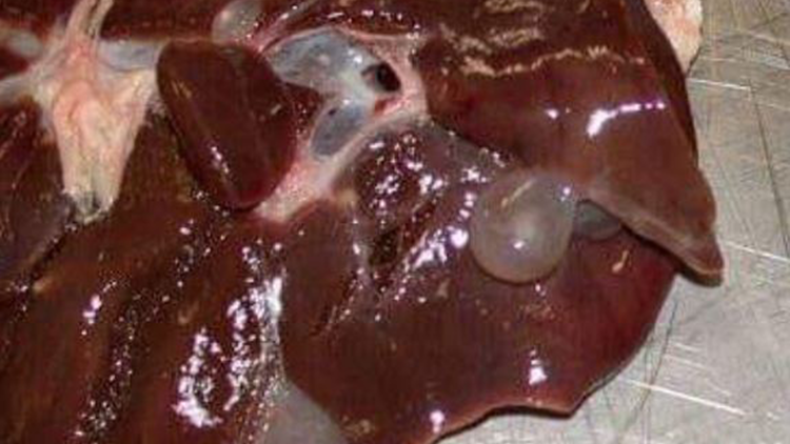
The National Institute of Public Health recently organized a scientific study day to address cystic echinococcosis, a disease classified as an endemic and neglected zoonotic condition. Experts indicate that cystic echinococcosis (الكيس المائي) continues to pose a significant health, veterinary, and environmental challenge. This persistent threat shows the urgent need for full intervention strategies. The disease suffers from a clear lack of reporting, which often leads to an underestimation of its true scale and associated costs. This under-reporting hinders effective resource allocation and public health planning. Current measures for combating cystic echinococcosis are frequently sectoral, primarily limited to managing human cases rather than implementing broader control strategies. This fragmented approach contributes to the persistence of the disease as a public health issue, making integrated efforts key for its effective management.
Understanding the Parasitic Threat
Cystic echinococcosis is caused by the larvae of the tapeworm Echinococcus granulosus. This parasitic infection is a significant concern globally, particularly in regions where animal husbandry is prevalent. Humans become infected through the ingestion of parasite eggs, often via contaminated food or water that has come into contact with feces from infected dogs. Dogs, as definitive hosts, play a critical role in the transmission cycle, shedding eggs into the environment. Once ingested, these parasitic larvae develop into fluid-filled cysts inside various body organs. The liver is the most common organ affected by these cysts, though they can also form in the lungs, brain, and other tissues, leading to a range of clinical manifestations. The development of these cysts can cause severe health complications, often requiring complex medical or surgical interventions.
Call for Integrated Control Strategies
The scientific study day coincided with the approach of Eid al-Adha, a period traditionally associated with increased animal handling and slaughter, which can elevate the risk of zoonotic disease transmission if proper precautions are not observed. The discussions during the event focused on the current reality of cystic echinococcosis spread, alongside mechanisms for prevention and control. Experts also addressed improving treatment and surgical care for affected individuals, emphasizing the importance of both proactive prevention and effective patient management. The timing of the event provided a critical opportunity to raise awareness and strategize on preventing disease transmission during this period.
The day's agenda included in-depth discussions on several key areas critical to managing the disease. Participants examined the role of molecular diagnostics in accurate identification and monitoring of cystic echinococcosis, noting how advanced diagnostic tools can improve surveillance and early detection. Environmental risks associated with the parasite's transmission were also a central topic, emphasizing the need for full public health interventions that address the ecological factors contributing to the disease's spread. Waste management strategies were reviewed as a key component of breaking the transmission cycle, particularly focusing on the safe disposal of animal carcasses and offal to prevent dogs from accessing infected materials. The discussions showed that effective control measures extend beyond clinical treatment to encompass environmental and public health interventions.
Further discussions concentrated on modern therapeutic and surgical approaches for treating hepatic and pulmonary cystic echinococcosis, which are common manifestations of the disease. Medical professionals shared insights into the latest advancements in chemotherapy and minimally invasive surgical techniques, aiming to improve patient outcomes. This focus aimed to ensure that medical practitioners are equipped with the latest knowledge and techniques to manage patient care effectively, reducing morbidity and mortality associated with the disease. The event took place on 04 Dhu al-Hijjah 1447 AH, providing a timely platform for experts to exchange insights and strategize on integrated approaches. The timing near Eid al-Adha showed the importance of public health awareness regarding zoonotic diseases during periods of increased animal handling.
The 'One Health' Imperative
Effective control measures for cystic echinococcosis necessitate collaboration among health, veterinary, agriculture, and environment sectors, operating under the 'One Health' concept. This integrated approach recognizes the interconnectedness of human, animal, and environmental health, acknowledging that the health of one domain directly impacts the others. Participants at the scientific study day emphasized the importance of strong cooperation between all relevant stakeholders to protect human, animal, and environmental health. Such unified efforts are essential for developing full strategies against zoonotic diseases, moving beyond siloed approaches to achieve sustainable control. The discussions and calls for collaboration at the event align with a broader international focus on integrated health solutions, with a significant target date for global action set for 22 May 2026. This date marks a key milestone for implementing unified health records and control programs, signifying a global commitment to tackling neglected zoonotic diseases through a truly collaborative and holistic framework.