The European Union is launching a new clean energy strategy for the southern Mediterranean shore, fifteen years after the Desertec project's failure. This initiative, named T-MED (cooperation transméditerranéenne en matière d’énergies renouvelables et de technologies propres), is part of the pact for the Mediterranean adopted in Barcelona in November 2025. The T-MED program represents a significant renewed push by the European Union to foster energy cooperation and development in the region, learning from past experiences and adapting to current global energy demands. T-MED aims to establish the southern shore as a significant hub for green electricity, renewable hydrogen, and low-carbon technologies. This strategic objective is designed to leverage the immense natural resources of the region while simultaneously supporting Europe's ambitious climate goals. The European Union's objectives for this program are to secure its energy supplies, thereby enhancing its energy independence and resilience. The initiative seeks to support its green industry, fostering innovation and job creation within the clean energy sector across member states. Finally, a core objective is to accelerate its economy's decarbonization efforts, key for meeting the EU's commitments under the Paris Agreement. For its part, Algeria seeks to transform its natural wealth into a lever for development, fostering economic diversification beyond hydrocarbons, and advancing technologically through this partnership. This reciprocal benefit structure underpins the long-term viability and mutual interest in the T-MED initiative.
Algeria's Untapped Potential
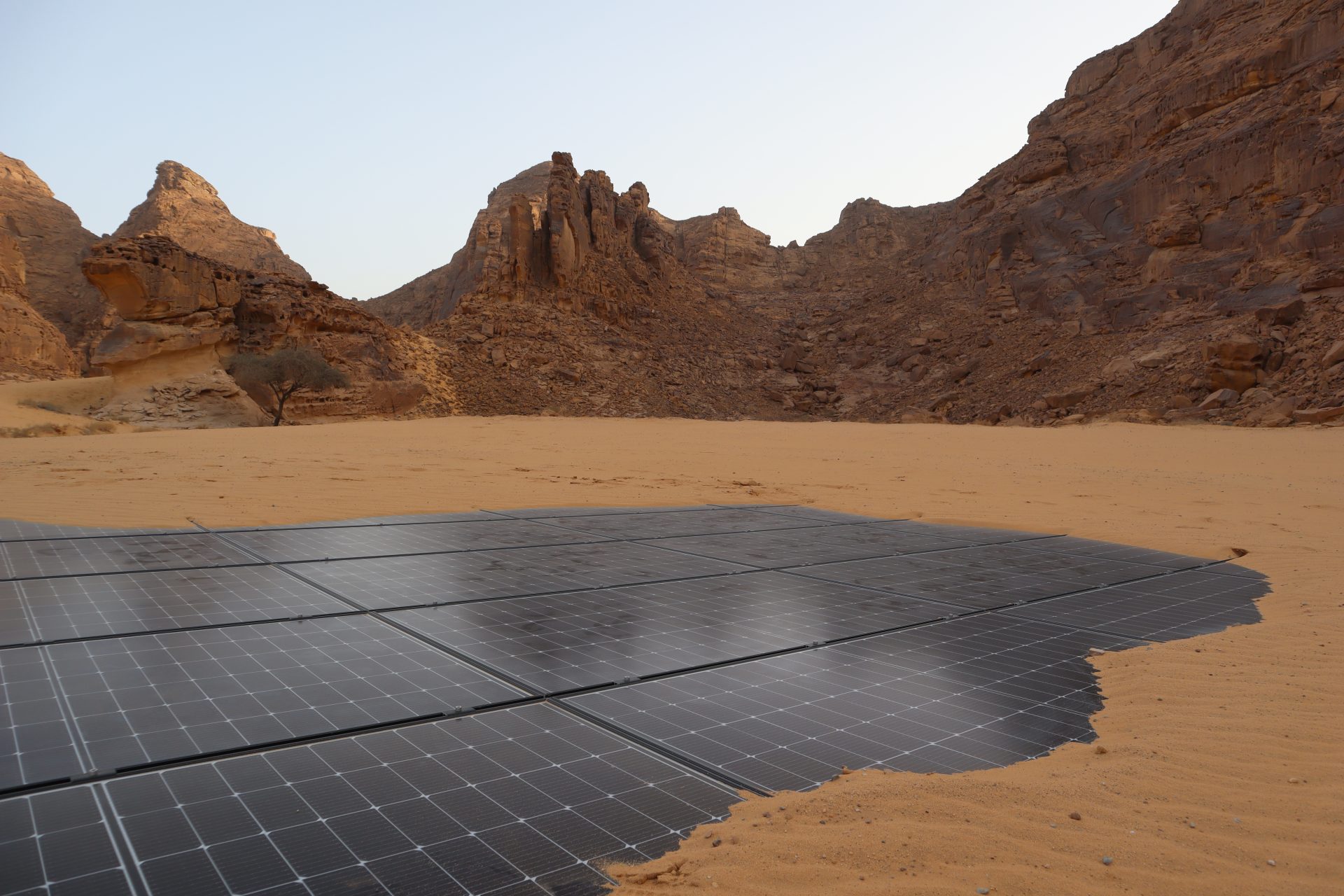
Algeria holds significant potential for renewable energy development, a European official indicated, stating that "a small part of Algerian territory would be enough to cover all of Europe's energy needs." This assessment shows the country's vast resources that could contribute substantially to the EU's clean energy objectives, noting the strategic importance of this partnership. Algeria possesses exceptional sunshine, particularly across its vast Saharan spaces, providing an abundant and consistent source for solar power generation. The sheer scale of these sun-drenched territories offers unparalleled opportunities for large-scale photovoltaic and concentrated solar power projects. The nation also benefits from industrial experience in the energy sector, built on its long history as a major hydrocarbon producer. This existing expertise in large-scale energy infrastructure development and management provides a solid foundation for transitioning towards renewable energy projects. An existing gas network offers infrastructure that could potentially be adapted for transporting new energy carriers, such as hydrogen, which is seen as a key component of future clean energy systems. This existing pipeline infrastructure significantly reduces the need for entirely new construction, streamlining the path to hydrogen transport.
In a concrete step towards harnessing these resources, Algeria plans to launch twenty solar photovoltaic power plants this year. This initiative forms part of a broader program aimed at achieving 3,000 megawatts of solar capacity, marking a substantial commitment to renewable energy deployment. These initial projects are expected to lay foundational infrastructure for future renewable energy expansion, providing critical experience and capacity. The development of these plants will not only contribute to Algeria's domestic energy needs but also position it as a potential exporter of green electricity. Looking further ahead, Algeria has set an ambitious broader solar objective of 15,000 megawatts by 2035. This long-term goal signals a strategic commitment to transforming its energy landscape and positioning itself as a key supplier in the evolving global energy market, aligning closely with the EU's energy diversification goals. The achievement of this target would significantly enhance Algeria's role in regional and international energy security.
EU's Ambitious Investment Goals
The European Union plans to mobilize up to 25 billion euros of additional investments in energy and clean technologies by 2035. This substantial financial commitment reflects the urgency and scale of the energy transition required to meet climate targets and secure future energy supplies. This financial commitment comes as Africa currently captures only 2% of international investment flows in renewable energy, despite its significant potential. This disparity shows the need for targeted investment strategies like T-MED to unlock the continent's renewable energy capacity. The estimated needs for renewable energy investments in partner countries by 2030 range between 75 and 120 billion euros, showing the scale of required capital to achieve global clean energy targets. The EU's commitment through T-MED aims to address a portion of this investment gap, acting as a catalyst for further private and public sector engagement.
To facilitate these investments, a T-MED investment platform will become operational in September 2026. This platform is designed to streamline the investment process and provide a strong framework for project financing. It will be supported by 5 billion euros in European guarantees, aiming to de-risk projects and attract further private capital. These guarantees are key for mitigating investment uncertainties, particularly in emerging markets, thereby making projects more attractive to a wider range of investors. The initiative also includes measures to accelerate administrative reforms, which are essential for creating a more favorable and efficient investment climate. Additionally, efforts will be made to modernize energy networks, ensuring that new renewable energy sources can be effectively integrated into existing grids and transmitted efficiently. A significant component of the program involves training 100,000 workers in relevant sectors, addressing the critical need for skilled labor to develop, operate, and maintain clean energy infrastructure. This investment in human capital is vital for the long-term success and sustainability of the T-MED initiative. The first meeting of the T-MED investment platform is scheduled for October 2026, marking a significant step in the implementation of the strategy and the beginning of concrete project development.
Infrastructure and Projects
Sonelgaz, Algeria's state-owned utility, announced in May 2026 the connection of 400 additional megawatts to the national grid, marking a further expansion of Algeria's energy infrastructure. This continuous upgrade of the grid is vital for integrating new renewable energy sources and ensuring a stable power supply. The Algerian state-owned utility also publicly mentioned the possibility of an underwater electric cable to Europe. This ambitious project signals potential direct energy links that could facilitate the export of green electricity from Algeria to European markets, further solidifying the energy partnership. This initiative aligns with broader regional projects aimed at enhancing energy connectivity and creating a more integrated Mediterranean energy market.
Among these, the South2 Corridor project stands out as a significant undertaking, involving a 3,300-kilometer pipeline. This extensive pipeline is slated for conversion to transport hydrogen, aiming to link North Africa directly to European markets in Italy, Austria, and Germany. The conversion of existing gas infrastructure for hydrogen transport is a cost-effective and efficient way to leverage existing assets for the new energy economy. The European Commission has recognized the South2 Corridor project as a project of common European interest. This designation shows its strategic importance for the continent's energy transition goals, acknowledging its role in diversifying energy sources and reducing reliance on fossil fuels. This recognition facilitates its development and integration into the broader European energy network, potentially unlocking funding and regulatory support. The project is expected to play a key role in establishing a strong hydrogen supply chain between North Africa and Central Europe.
Diplomatic Engagement
A political dialogue between the European Union and Algeria occurred in Algiers in February 2026, marking a significant step in the renewed partnership. This high-level engagement served to strengthen bilateral relations and align strategies for future energy cooperation, demonstrating a shared commitment to the T-MED initiative. The discussions focused on advancing shared objectives within the framework of the T-MED initiative, particularly concerning renewable energy and clean technologies. These talks covered various aspects, including regulatory frameworks, investment conditions, and technical cooperation, all aimed at ensuring the smooth implementation of projects. Such high-level diplomatic exchanges are key for fostering mutual understanding and facilitating the implementation of large-scale energy projects that span national borders. They also help to address potential regulatory and logistical challenges that may arise in cross-border energy initiatives, ensuring that both sides are aligned on the path forward. This dialogue shows the commitment from both sides to build a sustainable energy future and to deepen economic ties, laying the groundwork for a long-lasting and mutually beneficial partnership in the clean energy sector.