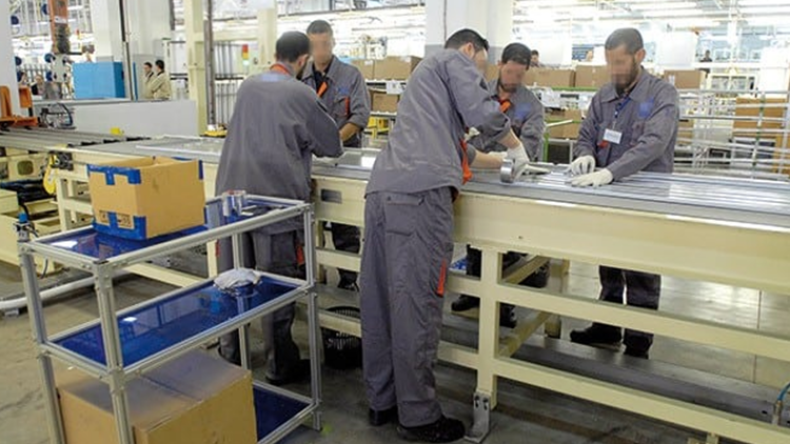
Algeria is experiencing a profound economic shift, with small workshops driving a national vision known as "الجزائر الناشئة" (Emerging Algeria). This ambitious initiative aims to transform the country into a $400 billion economy, fostering an era of strong growth and global integration. This significant growth trajectory is supported by a remarkable increase in the country's export activities, signaling a dynamic shift in its economic landscape. In just four years, the number of Algerian companies engaged in exporting rose from approximately 1,300 to over 2,000, showing a burgeoning entrepreneurial spirit and a renewed focus on international trade. This expansion notes the increasing participation of local businesses in global markets and their key contribution to the nation's economic diversification goals. The strategic focus on nurturing small-scale enterprises is central to the country's strategy for achieving its ambitious economic targets and integrating further into the global market, moving beyond a historical reliance on hydrocarbons. This concerted effort is designed to build a resilient and diversified economy, with small businesses at its core.
Young Entrepreneurs Take the Lead
A defining characteristic of Algeria's economic resurgence is the prominent role played by its young entrepreneurs. Many of these emerging business leaders are under thirty years old, representing a significant segment of Generation Z who are actively shaping the nation's future. Their innovative spirit and drive are transforming various sectors across the country. Among these trailblazers is Nghah Abdelrahman, director of 'Soudaya' for welding, iron, and vehicle manufacturing in Tlemcen, who established his company eight years ago. His venture exemplifies the entrepreneurial zeal found throughout Algeria. Similarly, Abdelnour Ismail also started his factory for 'Sirgaz' tanks in Batna at the tender age of 28, contributing significantly to the country's industrial capacity and demonstrating the potential for young visionaries to make substantial impacts early in their careers.
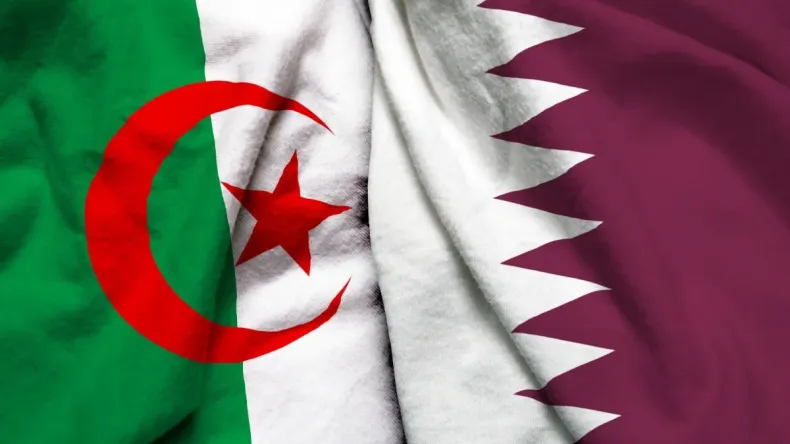
Further noting this trend, Sara Kassi founded the startup 'Lablabi' in 2021. Her venture focuses on developing advanced training platforms in communication technologies and artificial intelligence, addressing a critical need in the rapidly evolving digital economy. Lablabi quickly gained recognition, providing specialized services to major international and regional clients, including Ooredoo (Qatar), Orange, and Algérie Télécom. This rapid success demonstrates the capacity of Algerian startups to compete and collaborate effectively with established global players, showcasing their innovative solutions and technical expertise on an international stage.
Small Algerian businesses are also playing a key role in local manufacturing by producing essential components for various assembly lines across different industries. These locally sourced items include vital parts such as batteries, headlights, bumpers, electrical cables, engine filters, and a diverse range of plastic and rubber components. This domestic production not only supports a multitude of local industries but also significantly reduces reliance on imports, enhancing Algeria's economic self-sufficiency. By integrating these locally manufactured parts, Algerian enterprises are strengthening domestic supply chains and contributing to the nation's broader integration into global production networks, fostering a more strong and independent industrial base.
Global Reach and Local Production
Algerian small businesses are increasingly manufacturing parts and components for global production chains, forging partnerships with renowned international companies such as Airbus, Volkswagen, Zara, and Skechers. This proactive engagement marks a significant step towards positioning Algeria as a reliable and competitive global manufacturing hub. A notable example of this expanding global footprint is 'SOMIMI' (Maghreb Company for Precision Mechanics and Industrial Maintenance) located in Tahir, Jijel. Established in 1990, SOMIMI has become a key player, producing high-precision mechanical parts that are integrated directly into Airbus's demanding supply chain. The company's involvement in such high-tech manufacturing was significantly influenced by figures like Adel Bensassi, who, in his twenties at the time, directed key investments towards precision industries and advanced high-tech equipment after 2004, laying the groundwork for such sophisticated capabilities. SOMIMI further solidified its international presence and commitment to global standards by signing a key contract in 2009 to supply a major supplier for Airbus, a testament to its growing reputation for quality and reliability.
Beyond industrial components, Algeria is also making significant contributions to global fashion supply chains. The internationally recognized clothing brand Zara is now producing garments in Algeria through a strategic collaboration with the Tayal textile factory and various dynamic young Algerian workshops. These Algerian-made products, crafted with local expertise and resources, are then efficiently exported to 96 countries worldwide, showcasing the country's capability in textile manufacturing and its access to global markets. This manufacturing effort involves an impressive annual production volume of approximately 700,000 meters of fabric specifically for Zara, noting the scale and efficiency of these partnerships.
In the footwear sector, the global brand Skechers is actively preparing to localize a significant portion of its operations in Algeria. This initiative involves a strategic partnership with Tradifoot and a network of local small workshops, aiming to smoothly integrate Algerian production into its vast global supply chain. This move is expected to create new opportunities for local businesses and contribute to the development of specialized manufacturing skills. The country's small businesses have also previously engaged with other prominent global automotive brands, including Volkswagen, Geely, and Stellantis, noting their growing role in diverse international markets and their ability to meet the stringent demands of the automotive industry. These collaborations demonstrate a strategic shift towards integrating local production capabilities into broader global economic networks, leveraging Algeria's emerging industrial capacity and skilled workforce. The expansion into manufacturing for established global brands shows the country's ambition to become a more significant player in international trade and production, moving beyond traditional economic models.
Infrastructure and Industrial Ambitions
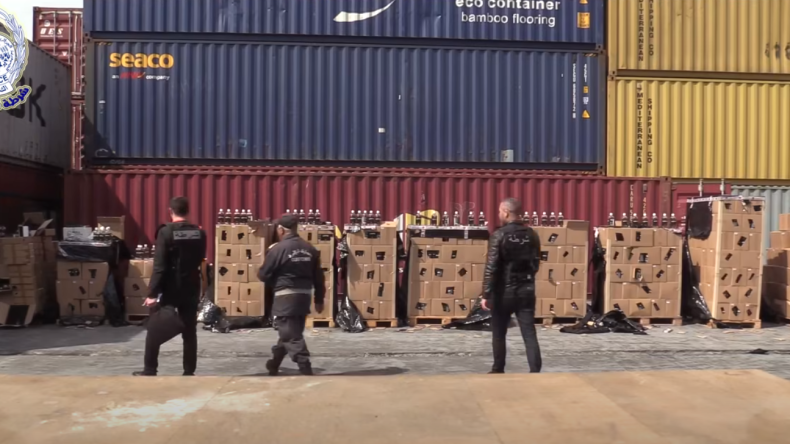
Algeria's economic transformation is underpinned by significant investments in critical infrastructure projects designed to support its burgeoning industrial sector. One such monumental undertaking is the industrial railway project connecting Bechar to Tindouf, specifically designed to facilitate the transport of resources from the Gara Djebilet mine. This vital infrastructure development is scheduled for inauguration in early February 2026, marking a key milestone in enhancing the efficiency of mineral extraction and distribution. The impact of this project was immediately evident with the first shipment of iron from the Gara Djebilet mine, which arrived triumphantly at the Tosyali plant in Oran on February 2, 2026, completing its journey a mere 24 hours after departure. This delivery marks a significant and tangible step in utilizing the mine's vast output and integrating it into the national industrial complex.
The Gara Djebilet project itself is a long-term strategic endeavor, planned for completion in two distinct phases. The initial phase is set to run from 2024 to 2032, focusing on establishing foundational operations and initial extraction capabilities. The subsequent phase, extending from 2033 to 2040, will involve further expansion and optimization of mining operations. These ambitious timelines show the long-term strategic investment Algeria is making in its mining and industrial capabilities, signaling a commitment to sustainable resource utilization and industrial growth for decades to come.
Beyond mining, the entrepreneurial spirit continues to drive diversification into new manufacturing sectors. Abdelnour Ismail's factory, 'Sirgaz', for example, is not only a success story in tank manufacturing but is also preparing to significantly increase its annual production to an impressive 92,000 tanks. In a bold move towards future technologies, Ismail is also actively negotiating with a Chinese partner to establish a small electric car factory, indicating a forward-looking expansion into advanced manufacturing sectors and a commitment to sustainable transportation solutions. This initiative notes the innovative vision of Algerian entrepreneurs and their willingness to embrace new industries.
SMEs as Export Drivers
Small and Medium-sized Enterprises (SMEs) are undeniably the backbone of Algeria's export growth. Approximately 1,850 of Algeria's exporting companies are classified as SMEs, demonstrating their critical role in the nation's international trade efforts. Among these, about 1,700 small enterprises actively engage in exports, showcasing a widespread entrepreneurial drive. These businesses have a notable focus on traditional Algerian products such as dates, which are highly sought after internationally, as well as a diverse range of other agricultural products, contributing significantly to the country's non-hydrocarbon export revenues. The country currently hosts over one million SMEs, indicating a broad and strong base for potential economic expansion and further diversification. This vast number of enterprises represents an enormous untapped potential for growth, innovation, and job creation across various sectors.
A key player in this dynamic sector is SOMIMI (Maghreb Company for Precision Mechanics and Industrial Maintenance), which was established in 1990. This company contributes significantly to the precision mechanics industry, noting the specialized and high-tech capabilities emerging within Algeria's SME landscape. Its long-standing presence and expertise show the depth of industrial knowledge present in the country. Further illustrating the intricate network of small businesses that support larger industrial operations, the Western Algerian Subcontracting Exchange (Bourse de la Sous-traitance de l'Ouest Algérien) incorporates more than 2,500 active subcontractors. The vast majority of these are small enterprises, forming a key part of the supply chain, providing essential services, components, and expertise to larger industries, thereby fostering a collaborative and interconnected economic ecosystem.
Broader Economic Vision
The strategic initiatives and successes noted throughout this article align perfectly with Algeria's overarching state economic vision. This vision is centered on bolstering national production, fostering economic diversification, and building an economy less reliant on hydrocarbons, which have historically dominated the country's exports. The ultimate goal of this full strategy is to achieve a gross domestic product of approximately $400 billion by 2027, a target that shows the ambition and confidence in the nation's economic future. Supporting this critical goal, public companies such as Sonatrach, Sonelgaz, Cosider, and Saidal are increasingly utilizing local subcontractors for their operations, thereby stimulating domestic economic activity and strengthening local supply chains. This commitment extends beyond national entities, as international operators, including prominent names like Stellantis, Geely, and Volvo Trucks, also rely on Algerian subcontractors for their diverse operations, further integrating local businesses into global production networks. This integration of local businesses into larger supply chains is particularly pronounced in the food industry, where Small and Medium-sized Enterprises (SMEs) contribute an impressive about 90% of exports, demonstrating their indispensable role in feeding both national and international markets. This holistic approach, driven by both public and private sectors, is steadily transforming Algeria into a dynamic and diversified economy, poised for sustainable growth and increased global competitiveness.