The Democratic Republic of Congo (DRC) announced Thursday the registration of 1077 suspected cases of the Ebola virus in the country. This significant update notes the escalating health crisis facing the nation. The announcement followed a statement issued last Monday from the Director-General of the World Health Organization (WHO), Tedros Adhanom Ghebreyesus. Mr. Ghebreyesus had previously reported the registration of more than 900 cases suspected of being infected with the Bundibugyo strain of the Ebola virus in the Democratic Republic of Congo. The new figures from the DRC government indicate a concerning rise in the number of suspected infections, showing the urgent need for continued vigilance and strong public health interventions. The increase from over 900 to 1077 suspected cases in a matter of days illustrates the rapid progression of the outbreak and the challenges in its containment.
Regional Spread and Impact
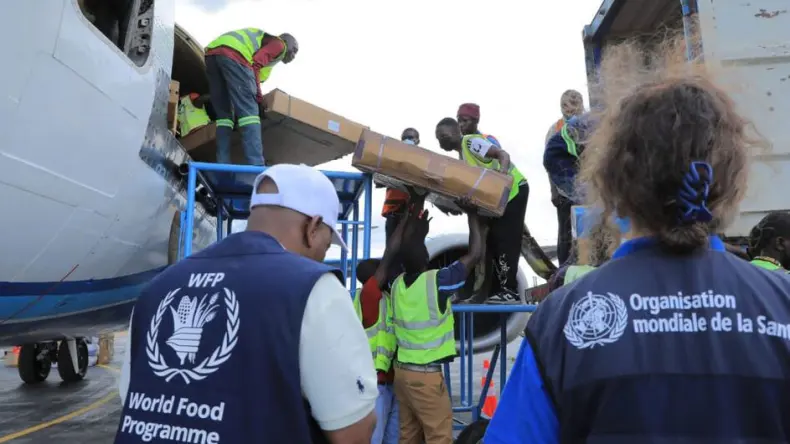
Neighboring countries, including Uganda, are facing a particularly high risk from the outbreak due to geographical proximity and frequent cross-border movements. In Uganda, health authorities have confirmed 5 cases of Ebola and one associated death, prompting immediate response measures. The World Health Organization is monitoring the regional spread of the virus closely, especially given the proximity of affected areas in the Democratic Republic of Congo to international borders, which increases the potential for wider transmission. This situation has prompted heightened surveillance and preparedness measures among regional health authorities to prevent further cross-border transmission and protect vulnerable populations. Efforts are actively underway to support these countries in strengthening their public health responses to contain the virus effectively, including enhancing diagnostic capabilities and implementing infection control protocols. The regional implications of the outbreak are a major concern for global health bodies.
Vaccine Development Efforts
In response to the ongoing threat, researchers from the British University of Oxford are actively developing a vaccine targeting the Bundibugyo strain of the Ebola virus. This particular strain is known to cause death in 30 to 50 percent of infected individuals, making the development of an effective vaccine a critical priority. The Oxford Vaccine Group (OVG), a renowned research body, is leading this development, bringing its extensive expertise to bear on the current crisis.
The OVG is employing the same technological platform that was previously utilized to create its successful COVID-19 vaccine. This innovative approach aims to accelerate the development process for a vaccine specifically against the Bundibugyo strain, leveraging established methods and infrastructure that have proven effective in previous public health emergencies. This continuity in research methodology is expected to streamline the path from development to potential deployment. The work represents a focused effort to provide a critical tool in the fight against the current Ebola outbreak in the Democratic Republic of Congo and to mitigate the severe risks posed by this deadly strain, potentially saving countless lives.
Expert Perspective on Response
Local authorities have clarified that among the 1077 suspected cases, 121 have been confirmed in the laboratory through rigorous testing. These confirmed cases include 17 deaths, providing a clearer picture of the outbreak's severity and fatality rate. The OVG, responsible for the ongoing vaccine development efforts, has a history of responding to Ebola outbreaks, demonstrating its commitment to addressing global health challenges. The group previously tested Ebola vaccines in West Africa during the outbreaks that occurred between 2013 and 2016, gaining invaluable experience in rapid response and vaccine efficacy testing in real-world conditions. This past experience informs the current work on a vaccine for the Bundibugyo strain, allowing researchers to build upon established protocols and knowledge. The combination of immediate public health measures, regional cooperation, and accelerated vaccine development efforts is key to bringing this outbreak under control and preventing further tragic losses.