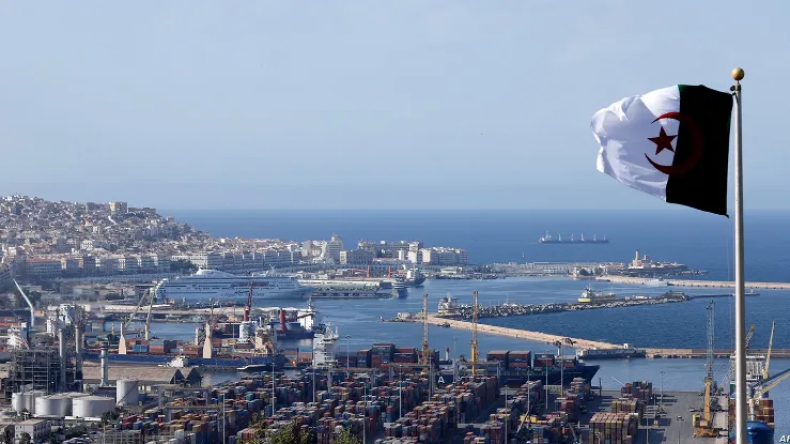
The African Development Bank Group has increased its forecast for Algeria's real GDP growth in 2026, raising it from 3.4 percent to 4.1 percent. This updated projection was unveiled during the African financial institution's annual meetings, which took place in Brazzaville, Republic of the Congo. The adjustment signals a more optimistic outlook for Algeria's economic performance in the medium term, as observed by the bank. The report, which details these projections, was officially presented during these significant annual gatherings of the African financial institution, providing a full overview of the country's economic trajectory and resilience.
Economic Resilience and Indicators
Algeria's foreign exchange reserves, while remaining at comfortable levels, are projected to decrease to 47.1 billion dollars by the end of 2025. This figure represents more than 15 months of imports, according to the African Development Bank Group. Despite this anticipated decrease, the level of reserves is considered strong, providing a substantial buffer for the economy and demonstrating fiscal stability. The bank's report also noted that Algeria's social policies have played a significant role in improving social indicators and mitigating inequality across the population. These policies have been instrumental in fostering a more equitable society. The Human Development Index (HDI) for Algeria reached 0.763 in 2025, a level that positions the country among those with the highest human development standings across Africa, the report stated. This strong HDI score shows the nation's progress in areas such as education, health, and living standards, reflecting the positive impact of its social development strategies.
Diversification and Investment Drivers
The African Development Bank Group's report anticipates Algeria's economy will sustain its growth momentum, bolstered by increased public investments and ongoing initiatives to diversify income away from hydrocarbons. The report expects the Algerian economy to continue its growth dynamic, driven by these strategic governmental efforts. These public investments are critical in building infrastructure, stimulating various sectors, and creating employment opportunities, thereby laying a stronger foundation for sustained economic expansion. The ongoing diversification efforts aim to reduce the economy's reliance on oil and gas revenues, promoting growth in non-hydrocarbon sectors such as agriculture, industry, and services. The institution also recommended directing funds and expertise from the Algerian diaspora abroad towards productive projects. This strategy aims to mobilize large-scale development financing for the country's economic expansion, leveraging the financial and intellectual capital of Algerians living overseas to foster innovation and economic growth within the nation. Such initiatives are seen as vital for attracting foreign direct investment and enhancing economic resilience.
Global Context and Future Recommendations
Algeria continues to demonstrate solid macroeconomic indicators, even amidst a global environment characterized by geopolitical tensions and volatile energy markets. The African Development Bank Group noted that the country's economic performance has remained strong despite these external pressures. This resilience is attributed to various factors, including the government's economic policies and efforts to maintain stability. The ongoing global challenges, such as fluctuations in oil and gas prices and international political uncertainties, have created a complex operating environment for many economies. However, Algeria has managed to navigate these conditions while sustaining its key economic metrics. The nation's ability to record solid macroeconomic indicators in such a turbulent global context notes the effectiveness of its economic management and its capacity to absorb external shocks. The bank's recommendations for leveraging the diaspora's resources are part of a broader strategy to ensure long-term stability and growth, positioning Algeria for continued progress in the face of evolving global dynamics.