The first census conducted by the French occupation in 1851 recorded 2.824 million people in Algeria. By 1856, the population decreased to 2.310 million, representing a loss of nearly half a million people in five years. Official records show the population reached 2.737 million in 1861 before dropping to 2.656 million in 1866. Authorities conducted the 1872 census, which is considered the first serious count, and recorded 2.134 million people. These figures document the demographic volatility observed in Algeria throughout the mid-19th century.
Conflict and Population Decline
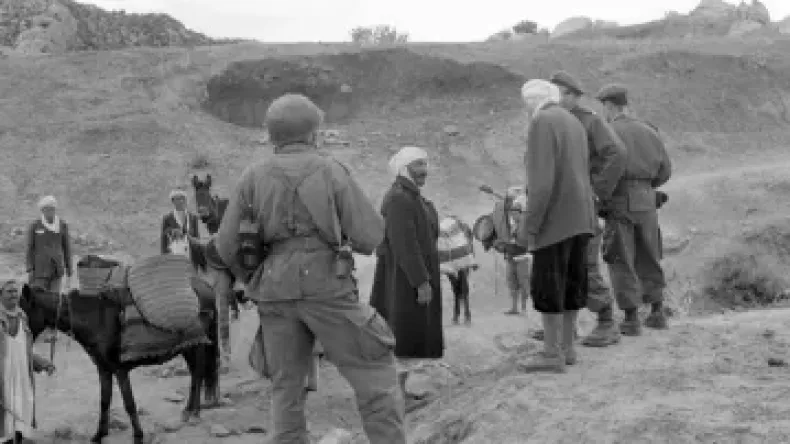
Popular uprisings and sustained armed resistance drove the demographic decline observed throughout Algeria during the 19th century. These localized conflicts significantly impacted population stability as communities faced the consequences of repeated military engagements. Historical records identify this period of intense volatility as concluding with the Mokrani revolt in 1871. The suppression of this final major uprising marked a definitive shift in the demographic trajectory of the region, following decades of internal strife. Researchers note that the cumulative effects of these confrontations contributed to the population figures recorded in the various censuses conducted during the era. These events remain central to understanding the fluctuations in the total number of residents documented by authorities across the mid-to-late 1800s.
Colonial Era Growth Trends
French statistics indicate a period of sustained population growth in Algeria following the mid-19th century. Records show the total number of inhabitants rose to 3.577 million in 1891, 4.741 million in 1911, 5.588 million in 1931, 7.460 million in 1948, and 8.745 million in 1954.
Growth continued in the subsequent years, with the population increasing from 8.745 million in 1954 to 10.800 million in 1960. This timeframe coincided with the Algerian War of Independence, during which demographic figures tracked by authorities reflected a total rise of more than two million residents. These figures represent the documented expansion of the population through the first half of the 20th century, culminating in the final years of French administrative control.
Post-Independence Demographic Expansion
Algeria experienced significant population growth following its independence, with national counts rising from 10 million in 1962 to 12.018 million by 1966. This expansion continued steadily over the following decades as social and economic conditions shifted in the newly sovereign state.
Administrative records track this upward trajectory through several census periods. The population reached 18.250 million in 1977, followed by 19.532 million in 1982. By 1987, the total number of residents in the country grew to 23.050 million. Further demographic assessments recorded 29.507 million people in 1998, reflecting the sustained increase in the national count throughout the late 20th century.
Data from the early 2000s show that this growth trend persisted into the new millennium. Official figures placed the population at 32.364 million in 2004. By 2005, the total number of inhabitants reached 32.906 million. These statistics provide a documented progression of the country's demographic development from the immediate post-independence era through the first decade of the 21st century.