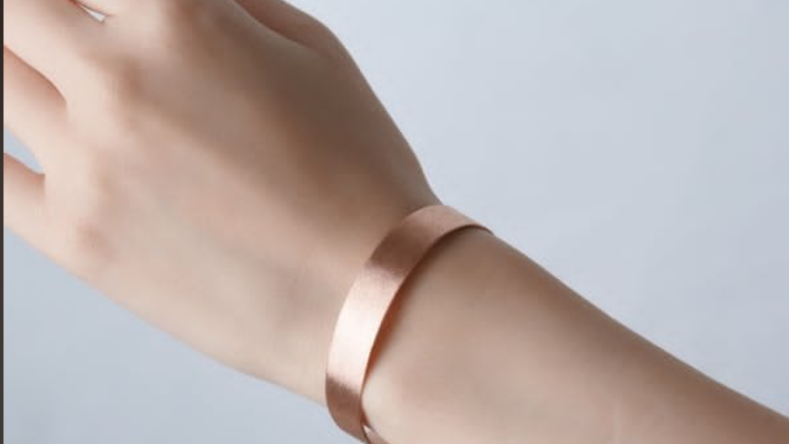
For decades, the wearing of copper bracelets has been prevalent among the elderly and individuals experiencing joint pain, based on claims of their ability to alleviate arthritis and reduce associated pain and swelling. This widespread practice, often rooted in anecdotal evidence and traditional beliefs, has seen copper jewelry marketed as a natural remedy for chronic discomfort. However, scientific studies have consistently shown that these copper bracelets do not actually affect arthritis or provide any relief from pain and swelling. Research indicates no measurable therapeutic benefit from wearing such devices, despite their widespread use over many years.
Scientific Evidence Against Efficacy
Research has consistently concluded that copper pieces offered no tangible benefit in reducing pain, joint stiffness, or improving physical functions when compared to placebo pieces, according to biologyinsights.com. This finding aligns with studies that have specifically investigated their use in chronic conditions, offering a clear scientific perspective on their purported effects. The lack of physiological impact suggests that any perceived improvements are not due to the material itself.
Researchers following patients with rheumatoid arthritis observed no clear difference in reported pain or inflammation between participants who wore copper bracelets and those who used dummy bracelets. This information is available via pubmed.ncbi.nlm.nih.gov, further reinforcing the lack of scientific support for the claimed therapeutic effects of these devices. The studies indicate that any perceived relief is likely attributable to the placebo effect rather than any inherent property of the copper itself. These findings challenge the long-held belief among many users that copper possesses curative properties for joint ailments.
Understanding the Placebo Effect
A scientific study featured in PLOS ONE journal indicated that the use of copper bracelets did not yield a genuine therapeutic effect beyond what is recognized as a 'positive psychological effect' or placebo effect. This research suggests that any perceived benefits are not due to the inherent properties of the copper but rather to psychological factors. The human mind's capacity to influence physical sensation plays a significant role in how individuals interpret their symptoms.
Some medical professionals attribute the sense of improvement reported by certain individuals to psychological comfort and a feeling of hope. These elements can directly influence pain perception, leading people to believe their symptoms are alleviating even when no physiological change has occurred. This psychological mechanism is often cited as a key factor in the perceived efficacy of various non-pharmacological interventions, where the belief in a treatment can sometimes be as powerful as the treatment itself.
Copper's Role in Health and Jewelry
Copper is recognized as an important element for bone and connective tissue health, according to medical articles cited by healthline.com. The metal also possesses antibacterial and antimicrobial properties, leading to its historical use in sterilizing water and treating wounds. These beneficial properties of copper are well-documented in other contexts, noting its importance in various applications. However, the human body typically obtains its required copper through dietary sources such as nuts, vegetables, liver, and seafood, rather than absorption through the skin. This distinction is key, as the method of intake significantly impacts the metal's bioavailability and function within the body. Wearing copper jewelry can sometimes cause skin irritation or lead to a green discoloration of the skin, which occurs due to the metal's reaction with sweat and moisture.
Medical Advice and Alternatives
Copper jewelry is commonly used by individuals attempting to alleviate symptoms associated with arthritis and rheumatism. Despite its popularity, medical professionals advise against relying on copper jewelry as a substitute for actual medical treatment, particularly for chronic or inflammatory conditions that require specialized care. According to journals.plos.org, doctors emphasize the importance of evidence-based interventions for managing such conditions. This guidance shows the distinction between perceived comfort and scientifically proven therapeutic benefits, urging individuals to seek treatments with demonstrated efficacy. For those experiencing persistent joint pain or inflammation, consulting with a healthcare provider for a proper diagnosis and an appropriate treatment plan is always recommended.