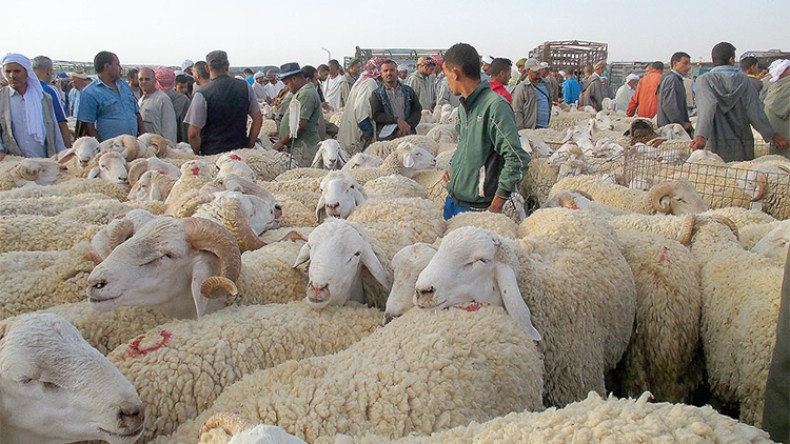
The Agricultural Services Directorate of Constantine Province announced the closure of all livestock markets for cattle, sheep, and goats across the region. Officials implemented this decision as a preventive measure to stop the emergence and spread of foot-and-mouth disease. The closure of these markets is effective starting Thursday, October 29, 2026. This administrative action serves as a primary defense strategy for the Agricultural Services Directorate, which aims to protect the health of the regional animal population through these strict containment protocols.
Duration of Market Closures
Constantine authorities scheduled the market closures to last for 15 days. Officials retain the authority to prolong this period if the local health situation requires further intervention. The Agricultural Services Directorate monitors the status of the livestock population during this time to determine if the 15-day restriction remains sufficient to contain the disease. Any potential extension depends on future assessments of the health conditions across the province. By maintaining this 15-day window, the directorate intends to create a stable period for observation, ensuring that the health status of the livestock can be evaluated without the compounding risks of public market gatherings.
Restrictions on Livestock Movement
Provincial authorities extended the regulatory measures beyond market closures to include a full prohibition on the gathering, movement, and transport of livestock. These restrictions apply to all cattle, sheep, and goats both within the borders of Constantine and across provincial lines. This decision prohibits the gathering, movement, and transport of livestock inside and outside the province, except for animals intended for slaughter. Exemptions to these movement controls exist solely for animals designated for immediate slaughter at authorized facilities.
Transporters of livestock intended for slaughter must carry a formal veterinary certificate to satisfy regulatory compliance requirements. This mandatory documentation requires the inclusion of the specific animal type and its unique identification number. The certificate must clearly state the approved transport method and the final destination slaughterhouse. Livestock intended for slaughter must be accompanied by a veterinary certificate specifying the animal type, identification number, transport method, and destination slaughterhouse. Compliance with these documentation standards remains a requirement for all transit of animals during the current 15-day containment period.
The Agricultural Services Directorate has emphasized that the documentation must be accurate and complete to be considered valid for transit. Each veterinary certificate serves as a tracking mechanism for the authorities to monitor the movement of animals that have been granted an exemption. By requiring the specific destination slaughterhouse and the unique identification number of the animal, the directorate ensures that the transport is strictly for the purpose of immediate processing. Any animal found in transit without the necessary veterinary certificate will not be in compliance with the current provincial regulations. These measures are designed to ensure that the movement of livestock, even for slaughter, does not compromise the broader effort to prevent the spread of foot-and-mouth disease. The provincial authorities are maintaining oversight throughout the 15-day period to ensure that these protocols are strictly followed by all parties involved in the livestock industry in Constantine.