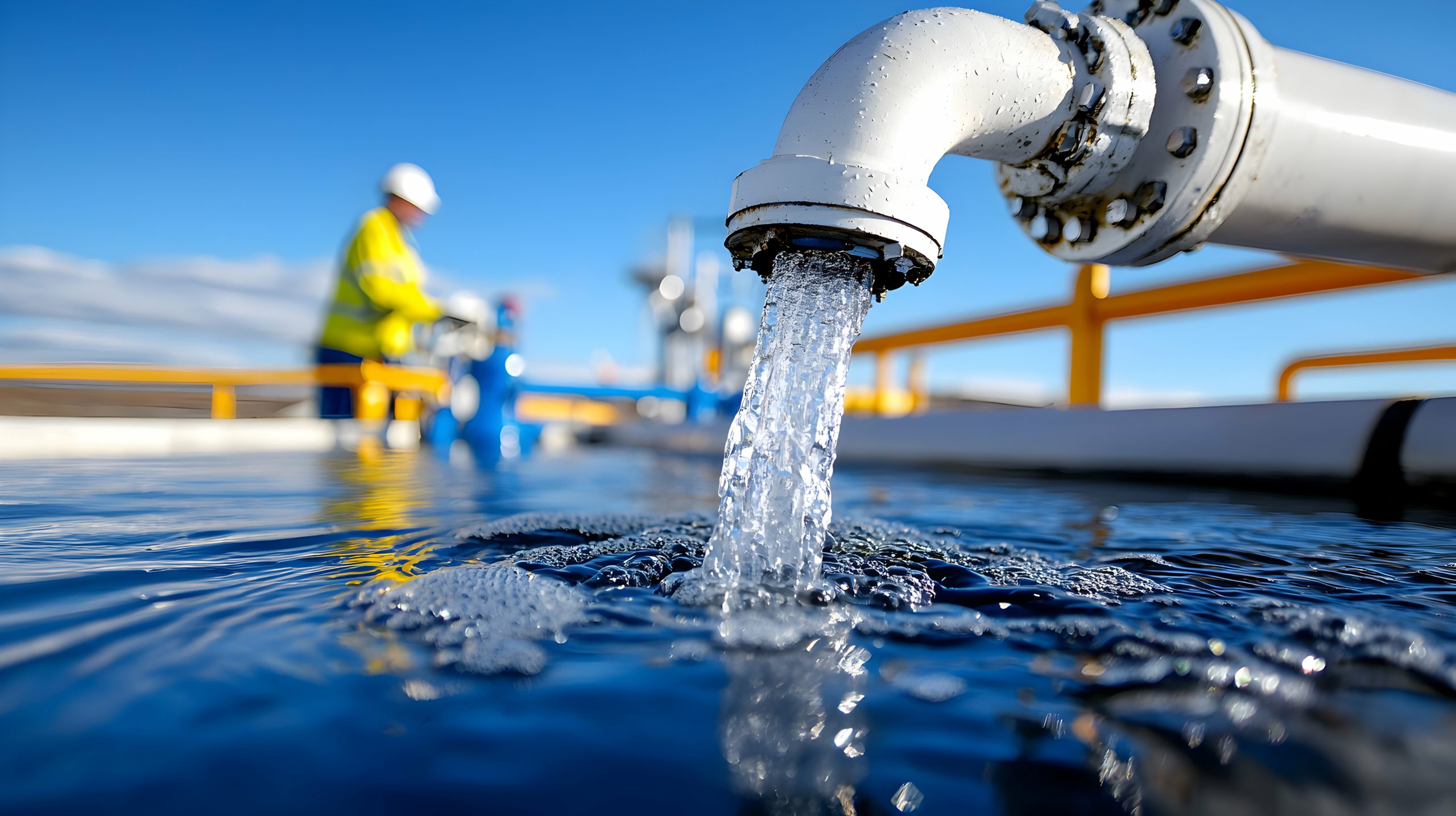
Construction of the Chechar wastewater treatment plant in Khenchela, Algérie, is nearing completion, with the project having reached a 90% completion rate. The facility, a key component of the nation's infrastructure development, is expected to be received before the end of the third quarter of 2026. This significant milestone marks a step forward in Algérie’s commitment to modernizing its water management systems. The future Chechar station is designed to strengthen the national system by providing modern sanitation infrastructure, which is vital for both public health and environmental sustainability. Officials state the plant aims to preserve groundwater resources and reduce natural environment pollution, contributing substantially to national water security efforts and ensuring the availability of clean water for future generations. The ongoing construction at the site in Khenchela shows the strategic importance of this project for the region and the country as a whole.
Project Details and Timeline
The complementary development program for the wilaya of Khenchela initially included the Chechar wastewater treatment plant project, which was first announced in 2021. This announcement signaled the commencement of planning for a facility that would address critical sanitation needs in the area. Construction on the plant officially commenced in August 2023, following a period of careful planning and resource allocation. More than 113 billion dinars were allocated as a global envelope for the entire complementary development program in the wilaya, noting the substantial investment made by the Algerian government in regional development and infrastructure.
Once operational, the station is projected to treat 7,300 cubic meters of wastewater daily, a capacity that will significantly improve sanitation services for the local population and surrounding areas. This daily treatment volume is expected to have a profound positive impact on the environmental health of the region. The full infrastructure for the plant encompasses an administrative headquarters, which will manage the facility's operations, alongside a dedicated wastewater treatment unit, the core of the plant's functionality. Additionally, the project includes the construction of four pumping stations, essential for transporting wastewater efficiently, and 8,500 linear meters of pipelines, forming an extensive network to collect and distribute treated water. The realization of a wastewater treatment plant in Chechar was specifically listed among six priority projects for the water resources sector, showing its strategic importance within the national development agenda.
National Water Strategy Context
The Chechar plant's development aligns with broader national directives. President Abdelmadjid Tebboune previously ordered the development of a full plan to generalize seawater desalination plants across the country and to relaunch wastewater treatment plants specifically for irrigation purposes. This dual approach aims to diversify water sources and maximize the utility of existing resources. The national water strategy currently includes 234 wastewater treatment systems in service across the country. These systems are diverse in their approach, comprising 113 advanced treatment plants and 121 natural treatment facilities, reflecting a varied and adaptable national strategy.
The total capacity of these systems reaches an impressive 1.13 billion cubic meters per year, demonstrating the scale of Algérie's water treatment infrastructure. Out of this capacity, 600 million cubic meters of water are effectively treated annually, representing a significant volume of water that is made safe for various uses or returned to the environment. The country's sanitation network has achieved a remarkable connection rate of 93%, indicating widespread access to modern sanitation services for the population. This extensive network is supported by 97,400 kilometers of pipes, forming a strong infrastructure backbone for wastewater collection and transport. The construction of a wastewater treatment plant in Chechar was identified as one of six priority projects within the water resources sector, emphasizing its critical role in enhancing water management and contributing to national water security. This strategic focus ensures that vital projects like Chechar receive the necessary attention and resources to succeed.
Broader Environmental Impact
The Chechar wastewater treatment plant is not an isolated endeavor but a critical component of a broader national effort by Algérie to enhance environmental protection and water resource management. The new facility in Khenchela contributes directly to the country's objective of preserving natural ecosystems, particularly vulnerable groundwater resources, from pollution caused by untreated wastewater discharge. This initiative aligns smoothly with the strategic directives set by President Abdelmadjid Tebboune, who has consistently emphasized the importance of both seawater desalination as a source of potable water and the systematic reuse of treated wastewater for agricultural irrigation, thereby closing the loop on water usage.
The plant's operation is expected to significantly reduce the discharge of untreated wastewater into the environment, thereby safeguarding aquatic and terrestrial habitats in the region surrounding Chechar. This reduction in pollution will have broad benefits for local biodiversity and ecosystem health. Officials have indicated that such projects are critical for maintaining the health of water bodies, ensuring ecological balance, and supporting biodiversity within the region. The full infrastructure, including the advanced treatment unit and the extensive pipeline network, is designed to integrate smoothly into the existing national sanitation framework. This integrated approach shows Algérie's profound commitment to sustainable water practices across the nation, aiming to mitigate the ecological impacts associated with urban and industrial development. The project reflects a concerted push to improve environmental quality, enhance public health, and bolster the nation's long-term ecological resilience in the face of environmental challenges.