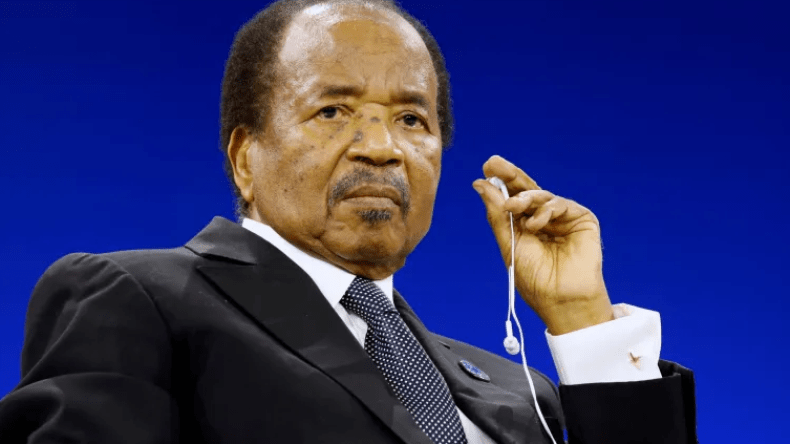
President Paul Biya returned to Cameroon on 20 August 2026, concluding an absence from the country that lasted approximately ten weeks. Official records indicate that the head of state departed Cameroon on 7 June 2026. His period abroad spanned the duration between these two dates, during which he remained outside of national territory. Public interest regarding the duration of this travel has increased following his arrival back in the capital. Officials have not provided specific details regarding his itinerary during the time he spent away from his duties in Cameroon.
Long History of Absences
Paul Biya has held power in Cameroon since 1982. His tenure has been marked by frequent travel outside the country throughout his time in office. Data from the Organized Crime and Corruption Reporting Project indicates that Paul Biya spent about four and a half years on private trips outside Cameroon up until 2018. These periods abroad account for a significant portion of his time as head of state. Records show these private stays occurred over several decades. The figures provided by the Organized Crime and Corruption Reporting Project focus on this extended timeline concluding in 2018. No updated totals covering the years since 2018 have been released by the organization.
Pattern of Presidential Travel
Paul Biya experienced a separate period of absence from Cameroon during 2024, when he remained outside the country for nearly two months. This travel contributed to the recurring pattern of his time spent away from national territory during his presidency.
Legislative changes occurred in April 2026, when the Cameroonian parliament passed a constitutional amendment. This move formally restored the position of Vice President within the national government. Despite the legal re-establishment of the role, the office remains vacant as of 23 October 2026. No individual has been appointed to the post since the passage of the amendment.
Government authorities continue to manage a separatist conflict within the English-speaking regions of the country. This instability has persisted for nearly a decade, affecting security and governance in those areas. The ongoing conflict remains a central challenge for the administration while the presidency undergoes scrutiny regarding the head of state's patterns of travel and his physical presence in the capital.