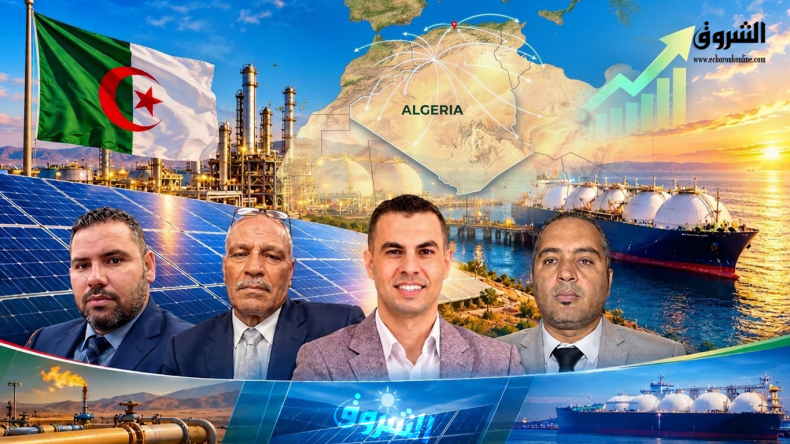
Algeria’s liquefied natural gas exports decreased by 27% year-on-year during the third quarter of 2026, reaching approximately 1.57 million tons. This decline marks a shift in the country's export volume for the period. The reduction in liquefied natural gas shipments notes the variability of maritime energy logistics during this specific quarter. Conversely, gas exports via pipelines to Europe remained relatively stable during the same three-month window. Deliveries reached approximately 78 million cubic meters per day in the third quarter of 2026, compared to 77 million cubic meters per day recorded during the same period of 2025. These figures provide a snapshot of Algeria's export performance as the energy sector manages fluctuating output levels across different transport channels. The stability of pipeline volumes contrasts with the decline observed in liquefied natural gas shipments, illustrating the diverse methods used to transport energy resources to international destinations.
Global Market Standing and Capacity
Algeria ranked eighth globally among liquefied natural gas exporters in 2025. Data released by the International Gas Union in July 2026 show that the country exported a total of 9.7 million tons during that year.
Infrastructure supporting this output remains significant despite current export fluctuations. The annual capacity of Algerian liquefaction facilities stands at approximately 25.5 million tons. These industrial sites, located near major export hubs like Arzew, represent the primary processing capability for the nation's gas sector. The physical infrastructure at these locations is designed to handle large-scale cooling and processing requirements necessary for maritime transport. While actual export volumes vary based on market conditions and operational output, the existing liquefaction capacity provides a fixed ceiling for the volume of liquefied natural gas the country can process for international delivery. This fixed capacity serves as the upper limit for the nation's ability to supply liquefied natural gas to global markets at any given time.
Shifting Trade Patterns and Partners
The United Kingdom increased its intake of Algerian liquefied natural gas during the first quarter of 2026. Import volumes rose to 140,000 tons, up from 60,000 tons recorded during the same period of 2025. This growth reflects changing procurement patterns for the British market as it sources energy supplies from North Africa. The increase in tonnage signifies a strengthening of energy trade ties between the two nations during the early months of the year.
Separately, Algeria maintained a leading position in the petrochemical sector for Asian markets during the first half of 2026. Algeria emerged as the top supplier of naphtha to South Korea during this six-month window. Official data indicate that Algerian exports accounted for a 17.2% share of total naphtha imports into South Korea. These shipments represent a significant portion of South Korean industrial feedstock requirements, confirming Algeria's role as a primary provider for refineries in the country. By capturing this market share, Algeria has solidified its position within the South Korean petrochemical supply chain, ensuring that Algerian naphtha remains a critical component for the nation's industrial output throughout the first half of the year.