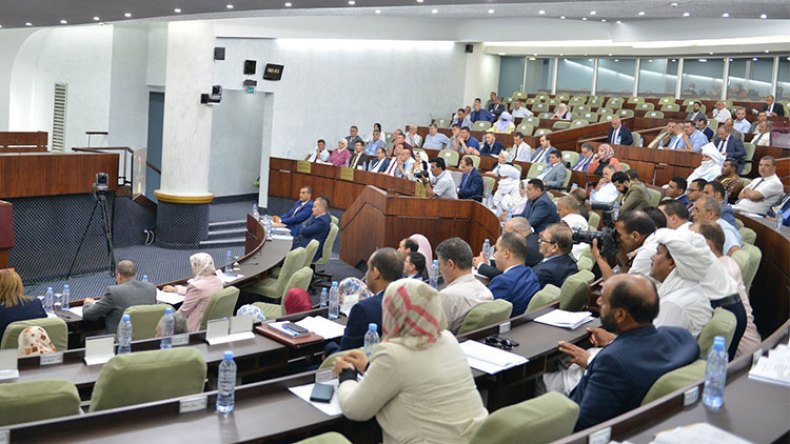
The National People's Assembly in Algeria has established new restrictions on parliamentary oversight by limiting oral questions to two per month for each deputy. This policy adjustment aims to regulate the frequency of direct inquiries addressed to government officials during legislative sessions. Deputies retain the ability to seek information through alternative channels, as there is currently no limit on the number of written questions a deputy can submit. These administrative changes apply to all members of the assembly, though the body has not placed any quantitative caps on the submission of written queries. The new rules went into effect on 21 October 2026.
Parliamentary Oversight Procedures Explained
Government officials must provide answers to all formal inquiries submitted by members of the National People's Assembly. The established procedure mandates that the government responds to both oral and written questions within a maximum of 30 days from the date of notification. This timeline applies uniformly to all inquiries, ensuring that deputies receive information regarding their submitted topics within the specified period. By setting this deadline, the assembly maintains a structured process for government accountability despite the recent implementation of limits on oral questioning. These regulations cover the interaction between the legislative body and executive departments, requiring a formal reply to reach the assembly within the 30-day window following the initial submission or legislative session where the oral question was presented.
Scheduling of Question Sessions
The office of the National People's Assembly is scheduled to meet on Thursday to review oral questions submitted for the government. This review process serves as a preliminary evaluation to ensure that inquiries meet the established criteria before they are presented during legislative proceedings.
Parliamentary practice dictates that oral question sessions are held on Thursdays every fifteen days. These sessions alternate between the National People's Assembly and the Council of the Nation, creating a rotating schedule for direct interaction between lawmakers and government officials.
Regulations governing the content of these inquiries prohibit the submission of questions that involve personal matters or pose a threat to state security. Deputies are restricted from raising topics that have already been addressed by the government within the last six months. These guidelines ensure that the time allocated for oral questioning remains focused on current legislative concerns rather than repetitive or private issues.