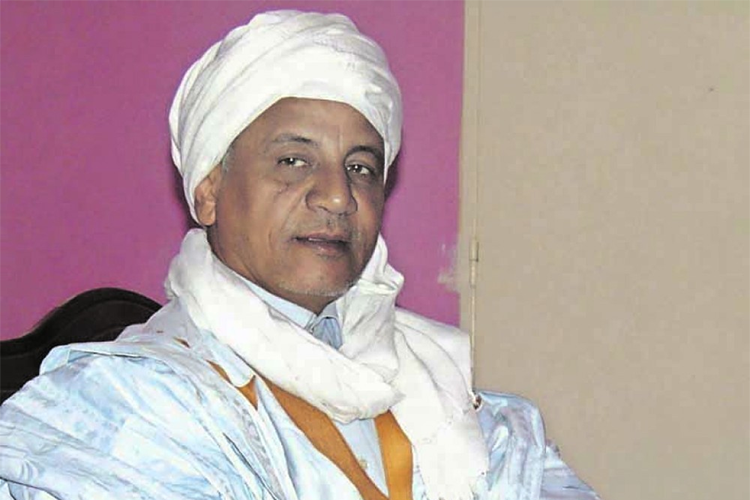
Mauritanian writer and researcher Mohamed Salem Ould Mohamed El Yaacoubi recently asserted Algeria's historical role as the central origin for jurisprudential, scientific, and spiritual schools across Africa. El Yaacoubi stated that these institutions were key in preserving Islam throughout the continent. He further elaborated that Algeria, being the primary source, played an indispensable role in the dissemination of these vital intellectual and religious traditions across the vast African continent. His remarks are part of an article titled “Deliberate disregard for the scientific and spiritual roles of Algeria and Mauritania,” which examines the profound and intertwined influence of both nations in shaping the region's cultural and religious landscape. The article provides a detailed analysis of their historical contributions, emphasizing their enduring legacy.
Algeria's Spiritual and Scientific Legacy
Conditions are favorable for an Algerian-Mauritanian cohesion to reclaim the historical roles of the two countries in the region, according to Mauritanian writer and researcher Mohamed Salem Ould Mohamed El Yaacoubi. El Yaacoubi stated that Algeria is considered one of the "most important sources from which Sufi orders entered the land of Shinqit." This historical connection notes the deep spiritual ties between the two nations. He also noted Algeria's central position in the Islamic world, describing it as rich in extensive libraries and its cities as full of knowledge and brilliant scholars. This intellectual vibrancy and scholarly tradition show Algeria’s long-standing contribution to Islamic thought and learning. The presence of numerous historical centers of learning and vast collections of manuscripts further solidifies Algeria's reputation as a beacon of knowledge in the Islamic world.
Sheikh Sidi Mouloud Fall Al-Mousawi Al-Yaacoubi Al-Shinqiti played a significant role in spreading the Tijaniyya order throughout Mauritania. This demonstrates the practical application and dissemination of spiritual teachings originating from Algeria. Morocco has long sought to impose what El Yaacoubi described as a misleading thesis regarding the reference of the Tijaniyya order, "hijacking its origin and birthplace, which is Algeria, and overlooking Mauritania’s well-known role in spreading it throughout history within the jungles of the African continent." El Yaacoubi added that Morocco has sought to overturn facts and commit injustice against history, a role that has accompanied its expansionist policy towards Mauritania. This policy, he asserted, has been confirmed by its exposed ambitions, including its occupation of Western Sahara. He contends that such historical revisionism aims to undermine the authentic origins and spread of significant Islamic movements like the Tijaniyya order, thereby distorting the historical narrative for political gain. The Tijaniyya order, of Algerian historical origin, subsequently spread extensively through Mauritania, further cementing the spiritual bond between the two nations and their shared religious heritage.
Regional Stability and Historical Roles
President Abdelmadjid Tebboune places particular emphasis on efforts to combat extremism across the African Sahel region. This strategic focus shows Algeria's commitment to regional security and stability. Algeria utilizes its specialized expertise and extensive experience to coordinate initiatives aimed at fostering a secure and stable African Sahel, according to reports. This involves leveraging its historical understanding of the region and its diplomatic capabilities to address contemporary challenges. Mohamed Salem Ould Mohamed El Yaacoubi, who detailed Algeria's historical influence in the region, specializes in issues pertaining to the Sahel and Sahara. His expertise in these critical areas lends significant weight to his analyses and observations. He has previously noted the historical roles of Algeria and Mauritania in preserving Islam and spreading Sufi orders across Africa, emphasizing their joint contributions to the spiritual fabric of the continent. El Yaacoubi’s analysis suggests that conditions are favorable for Algerian-Mauritanian cooperation to reassert these historical roles, thereby strengthening regional cohesion and stability. His background shows a focus on regional dynamics and historical trajectories within the broader Sahara-Sahel belt, providing a full perspective on the interconnectedness of these nations.
Praise and Endorsements
The Mauritanian website “Al-Muraqib News Network” republished the article by Mohamed Salem Ould Mohamed El Yaacoubi, which detailed Algeria's historical influence. This republication signifies the recognition and importance of El Yaacoubi's work in Mauritanian media circles. In his article, El Yaacoubi stated that "the most widespread Sufi orders that entered the region are the Qadiriyya, Shadhiliyya, and Tijaniyya orders." This specific detail notes the diversity and reach of spiritual traditions that have shaped the region. The article further noted that the Tijaniyya order, originating historically in Algeria, subsequently spread through Mauritania, becoming a prominent spiritual force.
The republication of the article followed the visit of the General Caliph of the Tijaniyya Fayda in Senegal, Sheikh Mohamed El Mahi Ibrahim Niasse, to Algeria last May. This visit itself was a significant event, showing the ongoing spiritual and diplomatic ties between Algeria and prominent Sufi leaders in the region. The "Al-Muraqib News Network" website commented on this visit, stating it "renewed the conviction that Algeria continues to play key roles at regional and continental levels, based on a deep historical, scientific, and spiritual heritage and a policy characterized by wisdom, balance, and sound judgment." This perspective from the Mauritanian outlet underlines a recognition of Algeria's sustained impact in the region, drawing on its rich cultural and religious legacy and its prudent approach to governance. The website's commentary reinforces the idea that Algeria's historical and spiritual standing continues to be a cornerstone of its regional influence and its ability to foster stability and understanding.