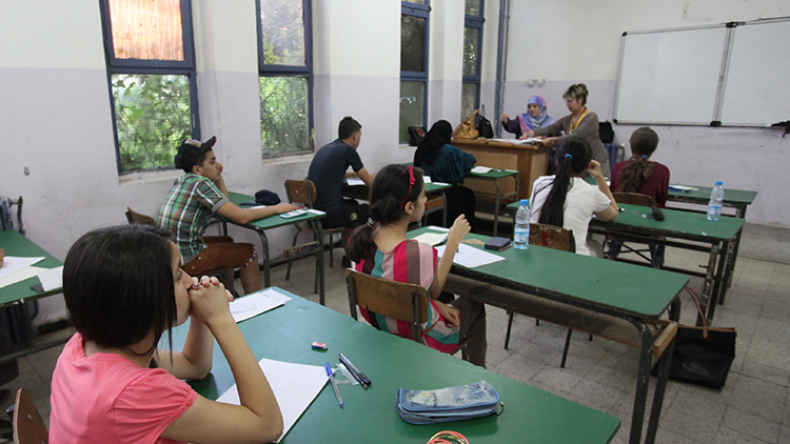
The Intermediate Education Certificate (Bayam) exam for May 2026 concluded on Thursday evening in Algeria. This significant national examination marks a key step for middle school students transitioning to secondary education. Notable shifts were observed in the nature and methodology of questions across several subjects, particularly Natural and Life Sciences, with French also exhibiting varying difficulty levels. Teachers and inspectors, who play a key role in the Algerian education system, agreed that the 2026 examination cycle introduced a new trend in question design. This year's questions moved away from traditional direct queries, which often relied on rote memorization, to more complex ones requiring analysis, inference, and synthesis from candidates. This change prompted considerable discussion among the educational community regarding its appropriateness for the target age group.
Science Subject Challenges
The Natural and Life Sciences subject reportedly sparked considerable debate among educators and specialists. Experts in the field considered parts of the exam to be beyond the level typically expected for the fourth year of middle school, suggesting a higher cognitive demand than previously seen. Teachers and inspectors specifically noted that students were asked to formulate a "scientific hypothesis" and write a "structured scientific text" including an introduction, body, and conclusion. This methodology, while valuable for developing critical thinking, was deemed by many to be more appropriate for secondary education levels, where students typically engage with more advanced scientific reasoning and academic writing.
The integrative situation within the Natural and Life Sciences examination raised significant concerns among educators. The exam included a section covering the latest lessons from the immunity module. A number of teachers stated they were unable to complete this specific module in their curriculum because the date for the exam had been moved up, leading to insufficient time for full preparation on that particular topic. This scheduling conflict meant that some students faced questions on material they had not yet thoroughly covered in class, potentially impacting their performance.
French Language Exam Difficulties
Students also reported difficulties with the French language exam, specifically noting challenges in the comprehension and written production sections. Candidates found the exam text relatively complex, stating that it contained vocabulary that exceeded the typical level for middle school students. This perceived increase in difficulty for both understanding the text and formulating written responses added to the overall pressure experienced by the examinees during the assessment. The feedback from students noted a potential mismatch between curriculum expectations and the demands of the examination.
Exam Administration and Logistics
To ensure the smooth running of this critical national assessment, the Ministry of National Education mobilized significant human and logistical resources. This extensive mobilization aimed to facilitate the examination process across various centers throughout Algeria, ensuring fairness and efficiency. Immediately following the conclusion of the exam, Directorates of Education began processing compensation files for all personnel involved. This included supervisors, invigilators, and teachers who participated in administering and overseeing the "Bayam" examination, acknowledging their key role in the successful execution of the assessment.
Compensation and Future Steps
Looking ahead, a special meeting is scheduled for June 4th. The primary purpose of this meeting is to finalize the grading scale and the model correction for the Bayam exam. This key step will establish the standardized criteria for evaluating student responses, ensuring consistency and fairness in the marking process. Compensation payments for all personnel involved in administering and overseeing the examination are anticipated to be disbursed during the last week of June. These payments will cover supervisors, invigilators, and teachers who participated in the recent exam cycle, recognizing their dedication and effort.