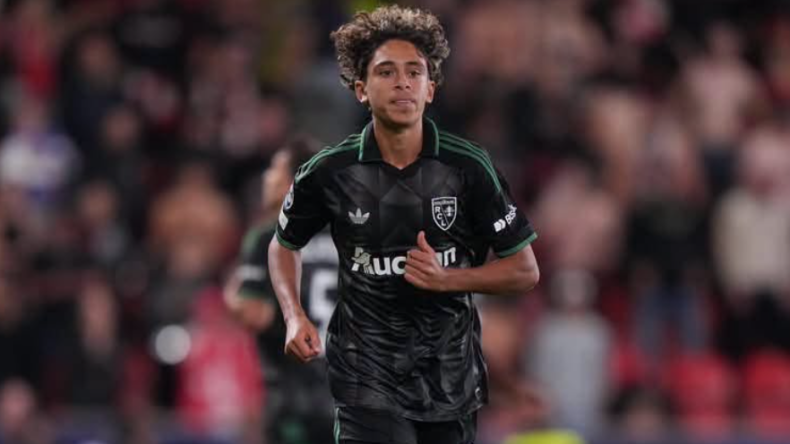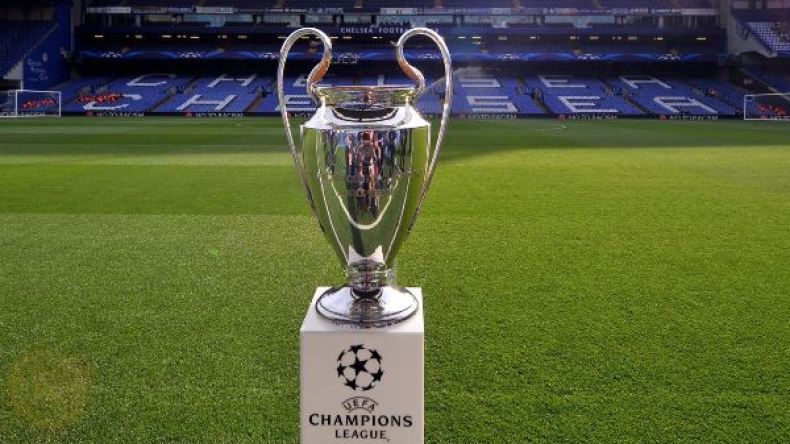
Algerian players whose clubs participated in the UEFA Champions League opening matches reportedly had no significant impact, a notable change from previous years when Riyad Mahrez provided assists and goals, reaching the final twice. The first round of the Champions League passed without any Algerian contribution, with one exception. Rayan Aït-Nouri registered an assist during a match in Portugal where his team, Manchester City, secured a 2-0 victory. This marked a subdued start for Algerian talent in Europe's premier club competition, contrasting sharply with the prominence they have previously enjoyed.
Mixed Player Performances
Nabil Bentaleb played one half for Lille against Real Betis, delivering a good performance before experiencing a partial loss of vision. Bentaleb was a key figure in his team Lille's reception of Real Betis. During the match, he felt a partial loss of vision, prompting immediate medical attention. A team doctor subsequently rested Bentaleb and referred him to a specialist, citing concerns about a potential cardiac arrest, an event the Algerian player had experienced two years prior. His early withdrawal was a precautionary measure, noting the serious health considerations involved.
Anis Hadj Moussa featured in a match where his team suffered a 5-1 defeat to Barcelona. Hadj Moussa played only 72 minutes and left the field due to fatigue. His exhaustion was attributed to his absence from team training for two full days amid discussions of his potential transfer to Al-Ahli Saudi. This potential move had seemingly impacted his preparation and stamina for the high-intensity Champions League encounter. Elsewhere, 31-year-old Hakim Zedadka played 72 minutes for Sabah Baku in their 4-0 loss to Manchester United. Zedadka's presence on the field for a significant portion of the match, despite the heavy defeat, provided him with valuable Champions League experience.
Absences and Limited Minutes
Ramy Bensebaini did not participate in his team's 3-2 home victory against Villarreal. His absence was noted during the match, with no official reason immediately provided for why he missed the key home fixture.
Rayan Aït-Nouri contributed an assist to Haaland, which resulted in the second goal for Manchester City. This offensive play was executed despite Aït-Nouri being on the field for only fifteen minutes, a limited duration given by the coach. The assist provided by Rayan Aït-Nouri to Erling Haaland, which led to the second goal, was achieved with great difficulty, showing the player's efficiency even in a brief appearance. His ability to make an immediate impact demonstrated his quality, even when afforded minimal playing time.
Yacine Titraoui was sidelined due to an injury, preventing his participation in his team's trip to Prague to face Slavia. His team secured a 3-2 win without him on the trip, indicating their ability to perform even with key players absent. The limited playing time for some Algerian players and the complete absence of others, whether due to injury or coaching decisions, characterized their initial Champions League appearances. This collective performance presented a stark contrast to previous seasons where Algerian talents frequently played key roles.
Context and Contrast
The initial Champions League fixtures saw a notable decline in the impact of Algerian players compared to previous seasons. Historically, figures like Riyad Mahrez were instrumental, contributing assists and goals, and reaching the final twice. His consistent high-level performances set a benchmark for Algerian involvement in the competition. However, the recent opening round concluded with minimal Algerian influence. Rayan Aït-Nouri provided the sole assist, setting up a goal for Erling Haaland during Manchester City's 2-0 victory in Portugal, despite playing only fifteen minutes. This single contribution stood out amidst a general lack of significant moments from other Algerian players. Other Algerian players either saw limited action, were sidelined by injury, or experienced team defeats. This performance starkly contrasts with the prominence Algerian talents once held in the competition, suggesting a transitional period for the nation's players on Europe's biggest club stage. The overall picture painted by the first round of matches indicates a need for Algerian players to reassert their influence in the coming fixtures.