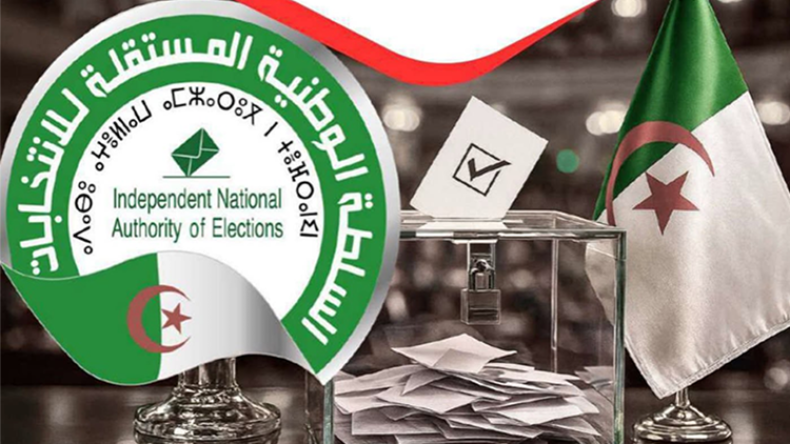
The electoral campaign for Algeria's upcoming legislative elections has entered its fourth day, as political parties continue to receive decisions regarding the approval of their electoral lists. This ongoing process is a key phase, determining which parties and candidates will be eligible to contest the forthcoming polls. Several parties are still awaiting final decisions on their list approvals in various wilayas, or provinces, adding an element of anticipation to the electoral landscape. Notably, Algiers province has experienced delays in processing candidate files when compared to other provinces, a situation that has drawn attention given its significance as the capital.
The Socialist Forces Front (جبهة القوى الاشتراكية) officially received approval for its list in Algiers on Thursday, marking a significant step forward for the party in the capital. Meanwhile, the National Liberation Front (جبهة التحرير الوطني) is awaiting a final decision on its Algiers list after replacing 14 previously rejected candidates. This notes the dynamic nature of the approval process, where parties often need to adjust their submissions based on initial rejections.
Party Presence and Challenges
The Movement of Society for Peace (حركة مجتمع السلم) has entered the electoral competition, demonstrating a significant national reach by submitting lists in 64 wilayas across the country. The party continues to receive responses regarding specific wilayas where some candidate names faced rejections, indicating that the approval process is still unfolding for many of its proposed lists. Notably, the Movement of Society for Peace’s list for the wilaya of Setif, which the party had expressed high hopes for, was dropped during the initial file review stage. This outcome shows the rigorous nature of the electoral commission's scrutiny of candidate submissions.
The National Liberation Front (FLN) demonstrated the widest national presence among parties, submitting 69 lists within Algeria. This extensive submission reflects the party's ambition for broad representation across the country. The Democratic National Rally (التجمع الوطني الديمقراطي) shares this leading position, also having submitted 69 lists, indicating a strong organizational capacity and national reach. Following closely, the Future Front (جبهة المستقبل) submitted 68 lists for approval, showcasing its widespread engagement in the legislative elections.
The National Construction Movement (حركة البناء الوطني) submitted 67 lists, indicating a broad electoral engagement and a significant effort to field candidates across numerous wilayas. The Voice of the People party (حزب صوت الشعب) entered the competition with 54 submitted lists, establishing its presence in a substantial number of electoral districts. Smaller parties also registered their participation, with the Socialist Forces Front (جبهة القوى الاشتراكية) submitting 22 lists, focusing its efforts on specific regions. The Rally for Culture and Democracy (التجمع من أجل الثقافة والديمقراطية) filed 8 lists for the legislative elections, indicating a more concentrated approach to its electoral strategy.
Campaign Dynamics and Disparities
The deadline for submitting candidacy files for the legislative elections was June 6th. This established the official cut-off for parties and individual candidates to register their intent to participate in the upcoming polls. The period since has seen various parties engage in campaign activities, though a notable disparity exists in their level of field activity. This disparity in visible campaigning is a key characteristic of the current electoral period. Some political entities have maintained a visible presence across different wilayas, with their candidates actively engaging with constituents and holding public meetings. Others have exhibited a more subdued campaign approach, with less public-facing activity reported. This variation in engagement reflects differing strategies among the parties as they seek to secure voter support within the established electoral timeline, and could also be influenced by the ongoing list approval process.
Context and Appeals Process
Some political parties have initiated appeals following the rejection of their electoral lists or the refusal of individual candidate files. This process allows parties to challenge initial decisions made by electoral authorities regarding their submissions for the upcoming legislative elections. The appeals mechanism is a standard component of the electoral framework, providing an avenue for redress when parties believe their applications were incorrectly assessed or that procedural errors occurred. Parties utilize this process to ensure their full participation in the election, seeking to overturn rejections and secure approval for their proposed candidates and lists across different wilayas. The appeals period is critical for many organizations as they finalize their candidate rosters and prepare for the official campaign period, reflecting the importance of every candidate and list in their overall electoral strategy. Political parties involved in the upcoming legislative elections continue to receive decisions on the approval of their electoral lists, and this phase is expected to conclude as the campaign progresses towards the election date.