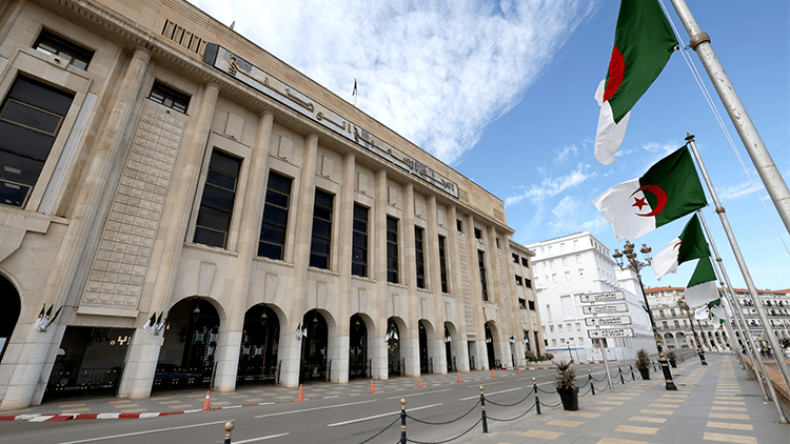
Algeria's National People's Assembly has received a full final report from its temporary inquiry mission investigating the red meat sector and livestock farming. The report, submitted to the assembly, details findings and proposes solutions to address challenges within the industry. This extensive document aims to provide a clear roadmap for revitalizing one of Algeria's vital agricultural sectors.
The document spans 285 pages and includes 17 specific recommendations aimed at improving the sector. This submission marks a significant step in the legislative body's efforts to analyze and reform Algeria's red meat production and supply chain, reflecting a concerted effort to address long-standing issues through legislative and policy interventions. The detailed findings within the report show the urgency of the situation and the necessity for immediate, impactful reforms.
Key Issues Identified
The report notes several critical challenges facing Algeria's red meat sector, including the prevalent issue of livestock smuggling to neighboring countries. This illicit trade significantly depletes national herds and impacts the economic viability of local breeders. Declining pastures, attributed to consecutive years of drought, represent another significant concern for the industry, directly affecting the primary food source for livestock. The document notes that natural pastures have drastically reduced, impacting grazing areas for livestock across various regions. This environmental degradation exacerbates the difficulties faced by breeders in sustaining their operations.
Livestock theft and the continued smuggling of herds towards neighboring countries were identified as major problems contributing to the sector's instability. These criminal activities not only lead to substantial financial losses for individual farmers but also undermine national food security efforts. The high cost associated with rebuilding herds also poses a substantial barrier for breeders, making it difficult for them to recover from losses or expand their operations. Additionally, the prices of ewes have become prohibitively high, further complicating efforts for many in the industry to maintain or expand their stock, thereby limiting growth and sustainability.
The inquiry mission found that the mortality rate of newborns in some governorates reached approximately 50 percent, indicating severe issues with animal welfare and breeding success. This high mortality rate points to deficiencies in veterinary care, feeding practices, and overall animal husbandry. The report pointed to the fragmentation of real estate and a reduction in available areas for grazing and livestock farming, which exacerbates the challenges faced by breeders. This shrinking land base restricts the capacity for livestock rearing and makes sustainable grazing management increasingly difficult.
The report also specifically notes the weak genetic productivity of the 'Oulad Djellal' breed, which is a significant local livestock type. This decline in genetic quality affects the overall productivity of the herds, impacting meat yield and reproductive rates. The cumulative effect of these challenges creates a precarious situation for the red meat sector, necessitating full and well-coordinated interventions.
Proposed Solutions
The parliamentary report advocates for the widespread implementation of digitalization across the red meat sector. This digitalization is recommended as a key tool for improving governance and enhancing the monitoring of both production and distribution processes. The report specifically identifies digitalization as necessary for organizing the fodder sector, meticulously tracking herds, and ensuring effective management control throughout the supply chain. Through digital platforms, authorities could gain better oversight of livestock movements, health records, and feed distribution, thereby curbing illegal activities and improving efficiency.
Beyond technological advancements, the document also calls for substantial improvements to the conditions of breeders. It notes a need to address the social and professional circumstances of breeders, including providing full social and health coverage. Such measures are intended to professionalize the sector, attract new generations of farmers, and retain experienced breeders, ensuring the long-term viability of livestock farming. Improving the welfare of breeders is seen as fundamental to improving the welfare and productivity of their herds.
The inquiry mission found that the effectiveness of genetic improvement and artificial insemination stations has declined. This decline is a critical factor contributing to the weak genetic productivity observed in breeds like the 'Oulad Djellal'. The report notes that the genetic productivity of the 'Oulad Djellal' breed, a significant local livestock type, is currently weak. These issues show the necessity of the proposed interventions to revitalize the sector's foundational elements and support its long-term sustainability, including renewed investment in genetic enhancement programs and veterinary services. The report envisions a future where breeders are supported by strong infrastructure and policies that enable them to thrive.
Inquiry Mission Context
The inquiry mission's final report was submitted to Mr. Ibrahim Boughali, Speaker of the Lower House of Parliament. This formal submission to the highest legislative authority shows the importance and urgency attributed to the findings and recommendations. The parliamentary mission conducted its field work over an extended period, starting on February 8th and concluding on April 13th. During this timeframe, the mission extensively covered nine governorates that are prominent in livestock farming. This broad geographical scope allowed the inquiry to gather full data and insights into the challenges and potential solutions for Algeria's red meat sector directly from key production regions, ensuring that the recommendations are grounded in real-world conditions and local needs. The thoroughness of the mission reflects a dedicated effort by the National People's Assembly to address the complexities of the red meat sector and ensure its future prosperity.