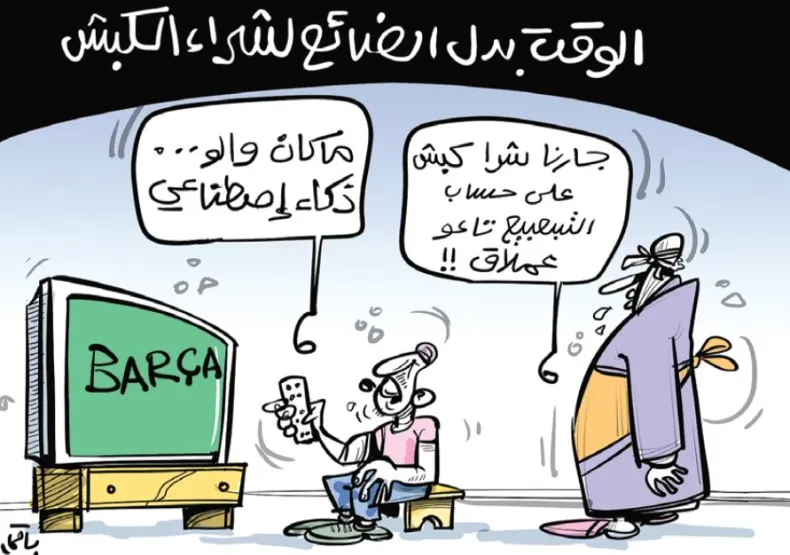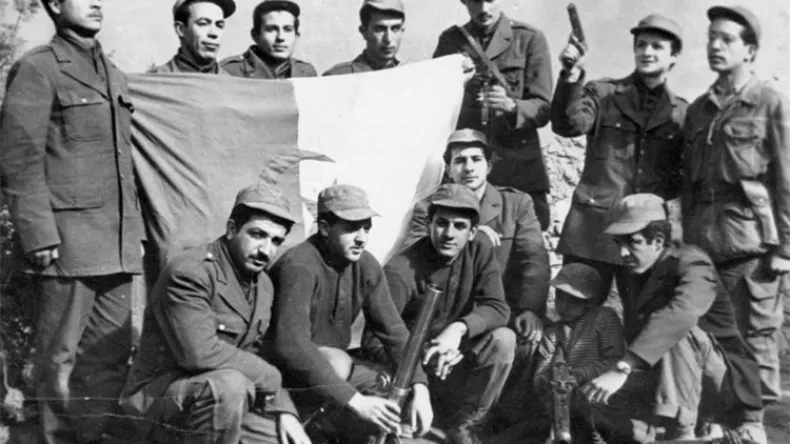
A recent discourse surrounding Algeria's national memory and the role of organizations for martyrs' and mujahideen's children has drawn criticism, with commentators reflecting on the perceived decline from a revolutionary past. The Algerian proverb "النار تجيب الرماد" (Fire brings ashes) has been invoked to depict a transformation from a vibrant historical period to a less active present. The Algerian National Liberation Revolution itself is characterized as one of the 20th century's most significant human epics. This critical perspective emerges amidst ongoing efforts to preserve and interpret the nation's historical narrative.
Bureaucratic Leadership Under Scrutiny
Leaders of the "Organization of the Children of Martyrs" and the "Organization of the Children of Mujahideen" have drawn criticism, according to the article. These leaders have reportedly acquired academic qualifications, modern training, various privileges, and receive annual financial aid from the state. The article states, "النار تجيب الرماد؛ مَثَلٌ شعبي جزائري ضاربٌ في عمق الفلسفة الاجتماعية، يختزل بمرارة هائلة كيف يمكن للجمر المتّقد الذي أحرق جيوش الاستعمار الفرنسي، أن ينتهي إلى رمادٍ خامد لا دِفء فيه ولا حيوية."
The publication further notes a perceived disconnect from the original intent of the country's liberation struggle. "الشهيد الذي غادر قريته حافي القدمين واستُشهد في أعالي الجبال، والمجاهد الذي واجه مقصلة المستعمِر، لم يكتبوا وصاياهم لحجز مناصب إدارية أو رخص امتياز لأبنائهم، بل كتبوها بدمائهم لتتحرر الأرض ويسترجع الإنسان الجزائري كرامته المغتصَبة، ليكون ابن الفلاح البسيط وابن الشهيد وابن المجاهد سواء أمام القانون وفي فرص العيش," the article asserts, noting a belief that the sacrifices made were for universal equality under the law, not for specific administrative positions or benefits for descendants.
Veterans' Enduring Commitment
Mujahid Ammand Wa'ammar Ben El Hadj, a veteran of Algeria's National Liberation Revolution, sustained severe injuries during the conflict, losing his right leg and experiencing paralysis in his left hand. Despite these physical challenges, Ammand Wa'ammar Ben El Hadj remains a vocal advocate for national memory. He is actively involved on YouTube, where he leads what has been described as a "digital jihad" aimed at safeguarding the country's historical narrative and preserving its revolutionary legacy. His online presence reflects an ongoing commitment to the principles and sacrifices of the revolution.
Government's Memory Preservation Efforts
President Abdelmadjid Tebboune is credited with elevating national memory to a strategic priority within the Algerian government. Under his leadership, President Tebboune established the "National Day of Memory," which is now observed annually on May 8th. This initiative aims to commemorate significant historical events and figures.
Further solidifying this focus, President Tebboune implemented a policy making history a mandatory subject across all educational levels in Algeria, ranging from primary school through university. This measure ensures that future generations are systematically educated on the nation's historical narrative. Complementing these efforts, the Minister of Mujahideen and Rights Holders recently announced the launch of national sessions specifically dedicated to the writing and documentation of memory, signaling an ongoing commitment to preserving and articulating Algeria's historical record.
External Threats to History
The nation's revolution, a key historical event, was reportedly founded upon the intellectual and ethical doctrine outlined in the November 1, 1954 declaration. This foundational document is seen as key to understanding the country's origins and principles. Against this backdrop, critics have identified external pressures, with Paris (France) specifically mentioned as leading attempts to erase and distort Algerian history. These efforts are perceived as directly challenging the integrity of the national narrative and the memory of the revolution. The ongoing focus on memory preservation by the Algerian government, including educational initiatives and commemorative days, can be viewed in part as a response to these external threats to historical accuracy and interpretation.