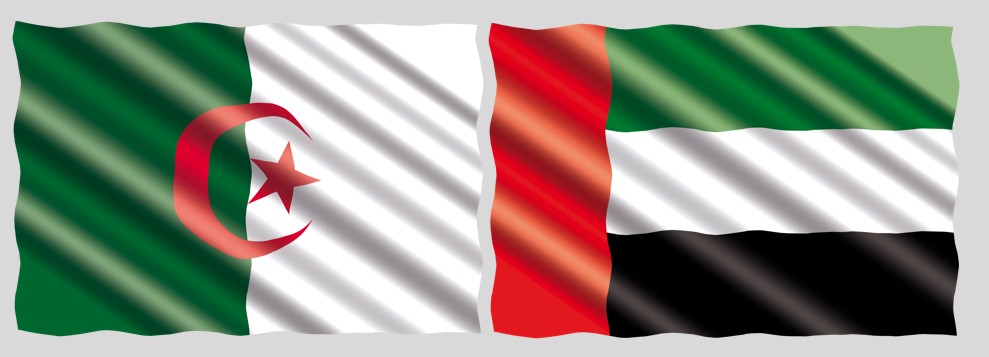
Algeria announced the severance of diplomatic ties with the United Arab Emirates on 10 September 2026. Authorities in Algiers ordered the Emirati ambassador to leave the country within 48 hours following the decision. Anwar Gargash, diplomatic adviser to the U.A.E. President, responded to the move by stating that diplomatic relations should be based on "rationality, communication and clarity of interests", rather than "riddles and signals that require decoding". The expulsion of the ambassador marks a significant shift in the bilateral relationship between the two nations.
Escalating Tensions Over Airspace
Algeria announced the immediate closure of its national airspace to all UAE-registered civilian and military aircraft. This directive restricts movement across Algerian territory for any aviation assets associated with the United Arab Emirates.
Commercial flights between the United Arab Emirates and Algiers remain exempt from this ban. These specific air corridors will continue to operate until the expiration of the current service contract at the end of 2026.
Algerian authorities initiated the process of cancelling the bilateral air-services agreement with the United Arab Emirates in February 2026. This administrative move preceded the broader severance of diplomatic ties announced later in the year. The cancellation of the agreement serves as the legal basis for the restrictions currently impacting transit operations between the two nations.
Regional Disputes and Sovereignty
The United Arab Emirates established a consulate in the Western Sahara town of Laayoune in 2020. This diplomatic opening in the contested territory represents a point of contention between Algiers and Abu Dhabi. Algeria maintains a policy of supporting the Polisario Front, which seeks independence for the region, while the United Arab Emirates has aligned its diplomatic presence with Morocco’s claims over the area.
President Abd al-Majid Tebboune addressed these regional frictions during a public appearance in July 2026. He characterized the United Arab Emirates as a "micro-state" or "statelet" that exerts a "very negative impact" on regional stability. During these remarks, the Algerian leader linked the foreign policy of the United Arab Emirates to ongoing instability in neighboring territories. Abd al-Majid Tebboune stated, "Wherever they set foot, blood flows."
Algerian officials have previously expressed concern regarding the role of the United Arab Emirates in the Sahel, specifically regarding developments in Libya, Mali, Sudan, and Niger. Reports from regional observers suggest that the presence of the United Arab Emirates in Western Sahara remains a primary factor in the deterioration of bilateral ties. By opening a diplomatic mission in Laayoune, the United Arab Emirates signaled a departure from the regional consensus favored by Algeria, which views the sovereignty of Western Sahara as a matter for international arbitration rather than bilateral recognition by third-party nations.
These disagreements over regional sovereignty have intensified as the United Arab Emirates expanded its influence across North Africa and the Sahel. The rhetoric employed by Abd al-Majid Tebboune reflects the hardening stance of the Algerian government toward the foreign engagements of the United Arab Emirates. While diplomatic channels remained open until September 2026, the consulate in Laayoune functioned as a persistent irritant in the bilateral relationship. Algerian leadership continues to view such actions as direct challenges to its national security interests and its stated commitment to regional sovereignty.