Algeria has set the minimum threshold for Zakat, known as the nissab, for the upcoming Hijri year 1447. The Ministry of Religious Affairs and Endowments announced that the nissab for Zakat has been fixed at 2,295,000 Algerian Dinars (DA). This figure represents the minimum amount of wealth a Muslim must possess for one lunar year to be obliged to pay Zakat, a mandatory charitable contribution. The calculation is based on the value of 20 dinars of gold, which is approximately 85 grams, ensuring the threshold aligns with Islamic financial principles for the new Hijri year. This specific amount, 2,295,000 DA, directly reflects the contemporary monetary value of this traditional gold standard, providing a clear benchmark for individuals to assess their Zakat obligations.
Understanding the Zakat Threshold
The Zakat threshold, known as the nissab, is calculated based on the value of twenty (20) gold dinars, equivalent to eighty-five (85) grams of gold. This standard ensures the threshold remains consistent with Islamic financial principles, drawing from historical precedents that established gold as a stable measure of wealth for charitable giving. The National Agency for the Transformation and Distribution of Gold and Precious Metals (AGENOR) established the price of 18-carat gold at 27,000 DZD per gram at the beginning of the current Hijri year. This valuation is key for determining the monetary equivalent of the gold standard used for Zakat calculations. Therefore, the fixed nissab of 2,295,000 DA for the Hijri year 1447 directly corresponds to this gold value. The specified amount serves as the minimum wealth an individual must possess for a full lunar year before becoming obligated to pay Zakat, a mandatory charitable contribution in Islam. Adherence to this threshold ensures that Zakat is levied fairly on those with sufficient means, in accordance with religious guidelines.
The Ministry further specified the rate at which Zakat is to be paid. A quarter of a tenth, which amounts to 2.5%, of any value that has reached the established nissab and has been held for a full lunar year must be paid as Zakat. This standard rate ensures adherence to Islamic principles for charitable contributions, promoting economic justice and supporting those in need within the community.
Payment Methods and Options
Zakat payments in Algeria can be made in several forms, including cash or commercial goods and merchandise. When paid in goods, their value is assessed at their market price on the day the payment is due, ensuring fairness and accuracy in the charitable contribution. This flexibility allows individuals to fulfill their obligation using assets they possess, provided the value meets the required amount.
For citizens preferring direct financial contributions, the Ministry of Religious Affairs and Awqaf makes wilaya CCP accounts belonging to the National Office of Awqaf and Zakat available. These accounts facilitate the direct transfer of Zakat funds, offering a secure and official channel for payments. This system streamlines the process for donors and ensures that contributions reach designated charitable institutions efficiently. Additionally, individuals have the option to pay their Zakat through designated funds located in mosques across the country. These mosque-based funds are responsible for collecting the contributions and subsequently distributing them to eligible beneficiaries, ensuring that the Zakat reaches those most deserving within local communities. The system aims to offer accessible and varied methods for fulfilling the Zakat obligation, catering to different preferences and logistical needs of the Algerian Muslim population. These mechanisms show the government's commitment to facilitating this fundamental pillar of Islam.
Ministry's Role and Guidance
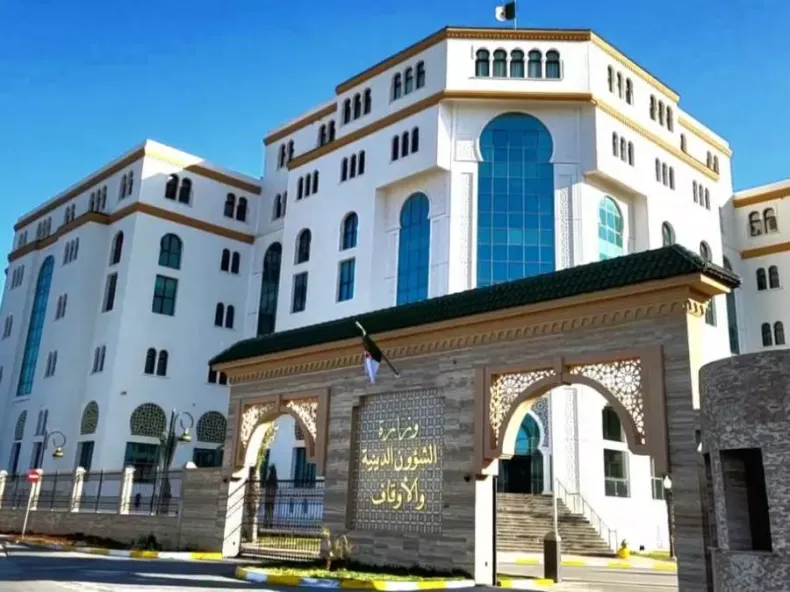
The announcement regarding the Zakat threshold was officially made by the Ministry of Religious Affairs and Awqaf. This declaration provides clarity for Algerian Muslims on their financial obligations for the upcoming Hijri year 1447, ensuring widespread awareness and understanding of the new nissab. The Ministry's role extends beyond mere announcement, encompassing the provision of guidance and the establishment of strong systems for Zakat collection and distribution. Through these efforts, the Ministry aims to uphold the religious duty of Zakat and ensure its proper implementation across the nation.