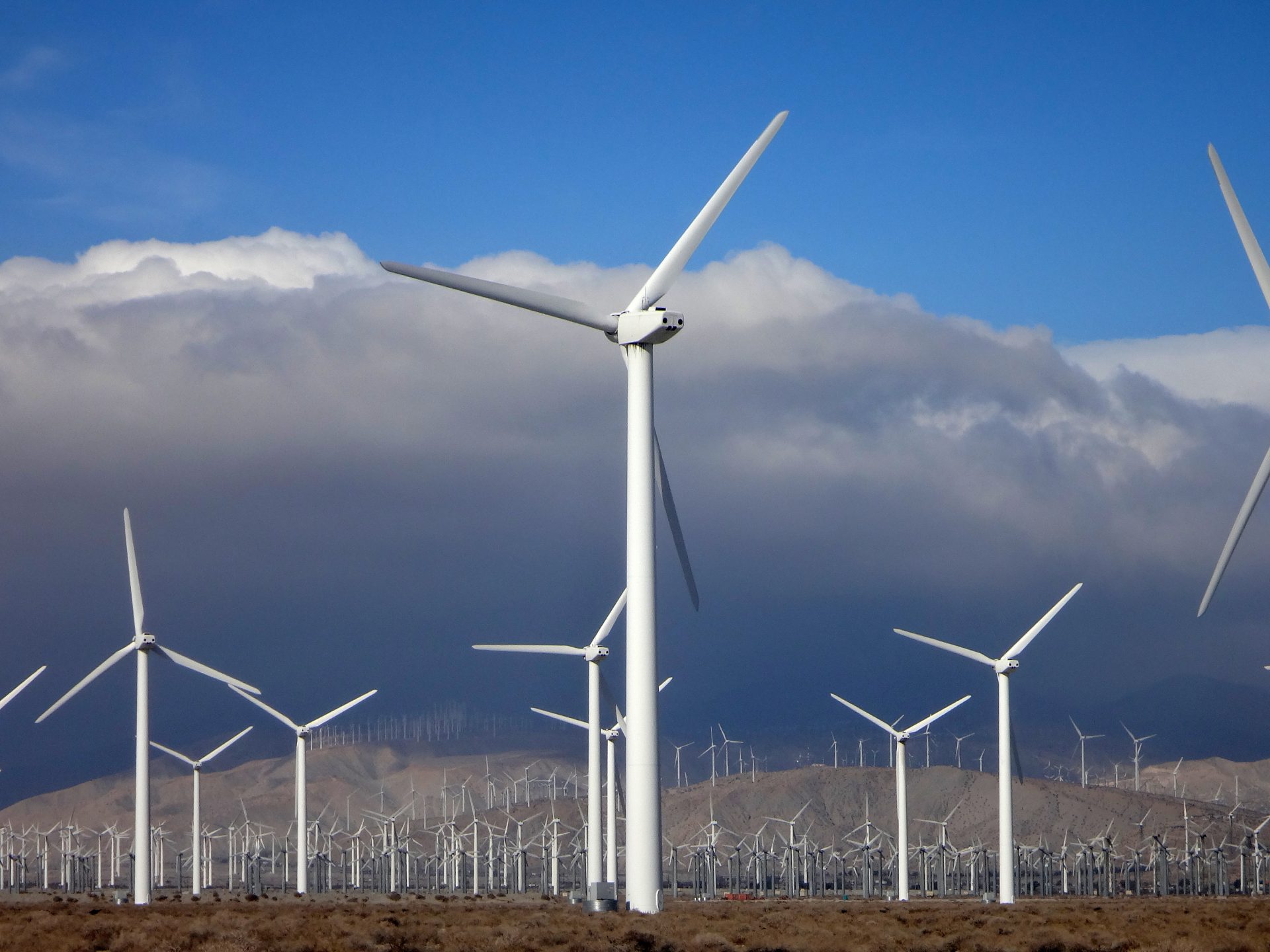
Algeria recently hosted the 3rd Nordic Forum on Sustainability in Algiers, an event aimed at fostering collaboration on green energy initiatives. The forum brought together Nordic and Algerian stakeholders to discuss strategies for renewable energy development and to explore avenues for practical cooperation. This significant gathering showed Algeria's commitment to diversifying its energy mix and leveraging international partnerships to achieve its ambitious sustainability goals. Algeria's initial phase of renewable energy deployment targets a capacity of 3,200 megawatts as part of its broader energy transition goals, laying the groundwork for more extensive projects.
Nordic Partnership for Green Future
The 3rd Nordic Forum on Sustainability was jointly organized by the embassies of Denmark, Finland, Norway, and Sweden. This collaborative effort noted the Nordic countries' shared commitment to sustainability and their interest in partnering with Algeria on green initiatives. The forum facilitated discussions among stakeholders from both regions, including government officials, industry leaders, academic experts, and representatives from civil society organizations. The event provided a key platform for exchanging knowledge, sharing best practices, and identifying concrete opportunities for joint ventures in the renewable energy sector.
The event featured several panels focusing on critical aspects of sustainable development. These sessions addressed technologies for carbon reduction, exploring innovative methods to lower emissions across various sectors, from industrial processes to transportation. Discussions also covered future energy systems, examining trends and advancements in renewable energy production and distribution, including smart grid technologies and energy storage solutions. Additionally, participants engaged in dialogues about circular economy practices, emphasizing resource efficiency and waste minimization, and exploring how these principles can be integrated into national development strategies. The full agenda ensured a holistic approach to sustainability, covering technological, economic, and environmental dimensions.
Algeria's Renewable Energy Targets
Algeria plans to achieve 15 gigawatts of renewable energy capacity by 2035, marking a substantial increase from its current installations. This ambitious target reflects the nation's strategic vision to reduce its reliance on fossil fuels and transition towards a more sustainable energy future. Before the end of the current year, the country expects to install 3,700 megawatts of this capacity, demonstrating immediate progress towards its long-term objectives. The country's energy transition strategy is designed to harness its abundant solar and wind resources, positioning Algeria as a potential leader in renewable energy production within the region.
Nordic Energy Landscape
Norway's energy mix prominently features renewable sources, with hydroelectric power constituting 40% of its total generation. This significant reliance on hydropower showcases the country's long-standing expertise in harnessing natural water resources for electricity production. Nuclear energy accounts for nearly 30% of the country's power supply, providing a stable and low-carbon base load. The remaining portion of Norway's energy landscape is derived from wind and other renewable energy sources, indicating a continuous effort to diversify its green energy portfolio. This composition reflects a diverse approach to energy production, emphasizing both established and emerging sustainable technologies within the Nordic nation. The country's reliance on hydro and nuclear power shapes its energy strategy, providing a stable foundation for its grid while integrating other green alternatives and demonstrating a model of energy independence and sustainability.
Quotes on Collaboration
Algeria's national strategy for energy mix diversification incorporates a range of renewable technologies and sustainable practices. This strategy specifically includes the development of solar and wind energy projects, leveraging the country's vast desert areas for solar power generation and its extensive coastlines for wind energy. Alongside these initiatives, the plan also outlines efforts for green hydrogen production, positioning Algeria to become a key player in the emerging global green hydrogen market. The strategy also emphasizes significant advancements in energy efficiency across various sectors, including residential, commercial, and industrial, aiming to reduce overall energy consumption and maximize the impact of renewable energy sources. This multi-faceted approach shows Algeria's full commitment to a sustainable and diversified energy future.