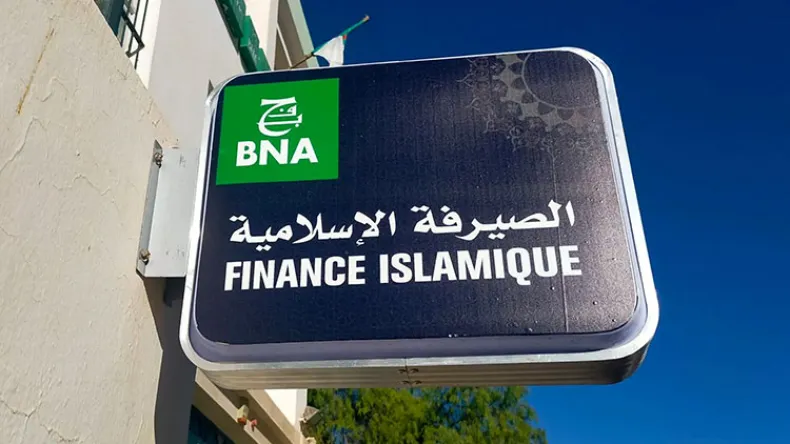
Algeria has introduced a measure in the 2027 Finance Bill to equalize tax treatment between Islamic and conventional financing. The policy focuses on aligning tax regulations for real estate transactions across both banking sectors. Soufiane Mezari, a member of the Islamic Banking Committee at the Association of Banks and Financial Institutions, stated, "The anticipated measure aims to unify the tax system applied to various forms of financing, especially those adopted at the level of Islamic windows in banks, allowing the two formulas to be placed on an equal footing from a tax perspective." These regulatory changes seek to eliminate existing discrepancies, ensuring that financial institutions operating under Islamic principles can compete directly with conventional lenders on a consistent fiscal basis.
Market Growth and Expansion
Islamic banking in Algeria is currently expanding at a rate of 20 percent annually. This growth trajectory reflects increasing consumer demand for financial instruments that align with religious principles.
Thirteen banks in Algeria now offer products and services compliant with Islamic Sharia principles. These institutions include both specialized entities and traditional banks that have opened Islamic windows to capture the rising interest in alternative financing. The expansion of these services accompanies the government’s efforts to integrate Islamic banking more effectively into the national economy. By increasing the number of participating banks, the sector provides broader access to Sharia-compliant options for businesses and individual customers across the country.
Current Market Share Analysis
Islamic banking currently holds between 6 and 7 percent of the Algerian national banking market. Industry data indicates that this segment remains a growing component of the broader financial sector. Projections suggest the share of Islamic banking in the Algerian market is expected to reach 8 percent soon.
Financial authorities anticipate that the new tax measures will make Islamic banking products less expensive within 60 days of implementation. These adjustments aim to lower costs for consumers choosing Sharia-compliant financing options. By reducing the fiscal burden on these transactions, the government intends to improve the competitiveness of Islamic windows relative to conventional banking services. The transition period for these price changes begins following the official enactment of the 2027 Finance Bill.